
Starting a food business in the USA can be exciting, but it can also feel overwhelming when you look at everything involved. You have to think about your food idea, branding, permits, insurance, money, taxes, and even how customers will find you.
The good news is that you don’t have to figure everything out on day one.
A better approach is to break the process into smaller steps and handle each part one at a time. Whether you want to open a restaurant, launch a food truck, sell packaged food, start a catering business, or build a food brand online, the basic planning process is surprisingly similar.
In this guide, we’ll walk through the important things you should consider before starting a food business in the USA.
1. Start With a Food Business Idea
Before worrying about logos, websites, or business bank accounts, get clear about what you’re actually going to sell.
There are many ways to enter the food industry. You could start a:
- Restaurant
- Food truck
- Catering business
- Bakery
- Meal-prep service
- Packaged food brand
- Specialty food business
- Online food business
Your first idea doesn’t have to be perfect. What matters is understanding who you’re selling to and why they would choose your product.
For example, selling homemade cookies to families is very different from building a premium snack brand for health-conscious consumers.
Think about three simple questions:
What am I selling?
Who is going to buy it?
What makes my food business different?
Those answers will help guide almost every decision that comes later.
2. Choose a Business Structure
Once you have a basic idea, you’ll need to decide how your business will be structured.
Many small business owners consider structures such as:
- Sole proprietorship
- Partnership
- Limited Liability Company (LLC)
- Corporation
An LLC is often considered by small business owners because it can provide liability protection while keeping the business structure relatively simple. However, the right structure depends on your circumstances, location, taxes, and long-term plans.
If you’re unsure, it’s worth speaking with a qualified business or tax professional before making the decision.
3. Open a Business Bank Account
One of the easiest ways to make your business finances messy is to mix personal and business money.
A separate business bank account can make it much easier to track sales, expenses, payments, and taxes.
For example, imagine you buy ingredients with your personal debit card, pay a delivery driver from another account, receive customer payments through a third account, and then try to calculate your profit at the end of the month.
It becomes confusing very quickly.
A dedicated business account gives you a much cleaner picture of how your food business is actually performing.
When comparing business banking options, look at things such as:
- Monthly fees
- Transaction limits
- Online banking
- Mobile deposits
- Payment processing
- Business credit cards
- Access to business loans
Don’t choose a bank simply because you’ve used it personally. Compare the features that actually matter to your business.
4. Get the Right Business Insurance
Food businesses have risks that many other businesses don’t have.
You could have a customer slip and fall at your location. A product could cause an allergic reaction. Equipment could be damaged. A delivery problem could result in a financial loss.
That’s why business insurance deserves attention before you start operating.
Depending on the type of food business you run, you may want to research coverage such as:
- General liability insurance
- Product liability insurance
- Commercial property insurance
- Workers’ compensation insurance
- Commercial auto insurance
- Business interruption coverage
The right coverage depends on your business model and location, so don’t assume that one insurance policy works for every food business.
For example, a food truck may have very different insurance needs from a small packaged-food company.
Tip: Don’t wait until something goes wrong to learn what your policy covers. Read the terms and ask questions before purchasing coverage.
5. Think About Business Financing
Not every food business requires a huge amount of money to get started.
A home-based food business may begin with a relatively small investment, while opening a restaurant can require significantly more capital for equipment, rent, renovations, staff, inventory, and other expenses.
Before looking for financing, create a realistic startup budget.
Include expenses such as:
- Kitchen equipment
- Ingredients
- Packaging
- Rent
- Licenses and permits
- Insurance
- Branding
- Website
- Marketing
- Employees
- Delivery
- Software
- Emergency funds
Once you know how much you actually need, you can explore potential financing options.
Depending on your situation, these could include business loans, lines of credit, equipment financing, personal savings, or other forms of funding.
The important thing is not to borrow more than your business can reasonably handle.
6. Understand Legal Requirements
This is one area where you shouldn’t rely on assumptions.
Food businesses in the USA can be subject to federal, state, and local requirements, and the rules can vary depending on what you’re selling and where you’re operating.
You may need to research:
- Business registration
- Food establishment permits
- Health department requirements
- Food handler certifications
- Local business licenses
- Zoning requirements
- Labeling requirements
- Sales tax obligations
The exact requirements depend on your business and location.
For example, someone selling packaged food online may face different requirements from someone operating a restaurant or food truck.
Before spending heavily on equipment or inventory, find out what your state and local authorities require.
7. Protect Your Food Brand With a Trademark
Your food business isn’t just about the food.
Your brand name, logo, packaging, and visual identity can become some of your most valuable business assets as the company grows.
Imagine spending two years building a recognizable food brand, only to discover that another business has a confusingly similar name.
That’s why trademark protection is worth considering early.
Before committing to a name, research whether it’s already being used by another business. You should also check whether the corresponding domain name and social media usernames are available.
If your brand becomes successful, protecting its identity can become increasingly important.
And remember: a business name registration and a trademark aren’t necessarily the same thing. If you’re serious about protecting a brand, consider getting professional legal advice.
8. Choose Accounting Software
You don’t need to become an accountant to run a food business, but you do need to understand your numbers.
Good accounting software can help you keep track of:
- Sales
- Expenses
- Invoices
- Payments
- Payroll
- Profit and loss
- Tax-related records
This becomes particularly important as your business grows.
When choosing accounting software, look for something that fits the size and complexity of your business rather than choosing the most expensive option available.
A small catering business may have very different accounting needs from a growing restaurant with employees and multiple locations.
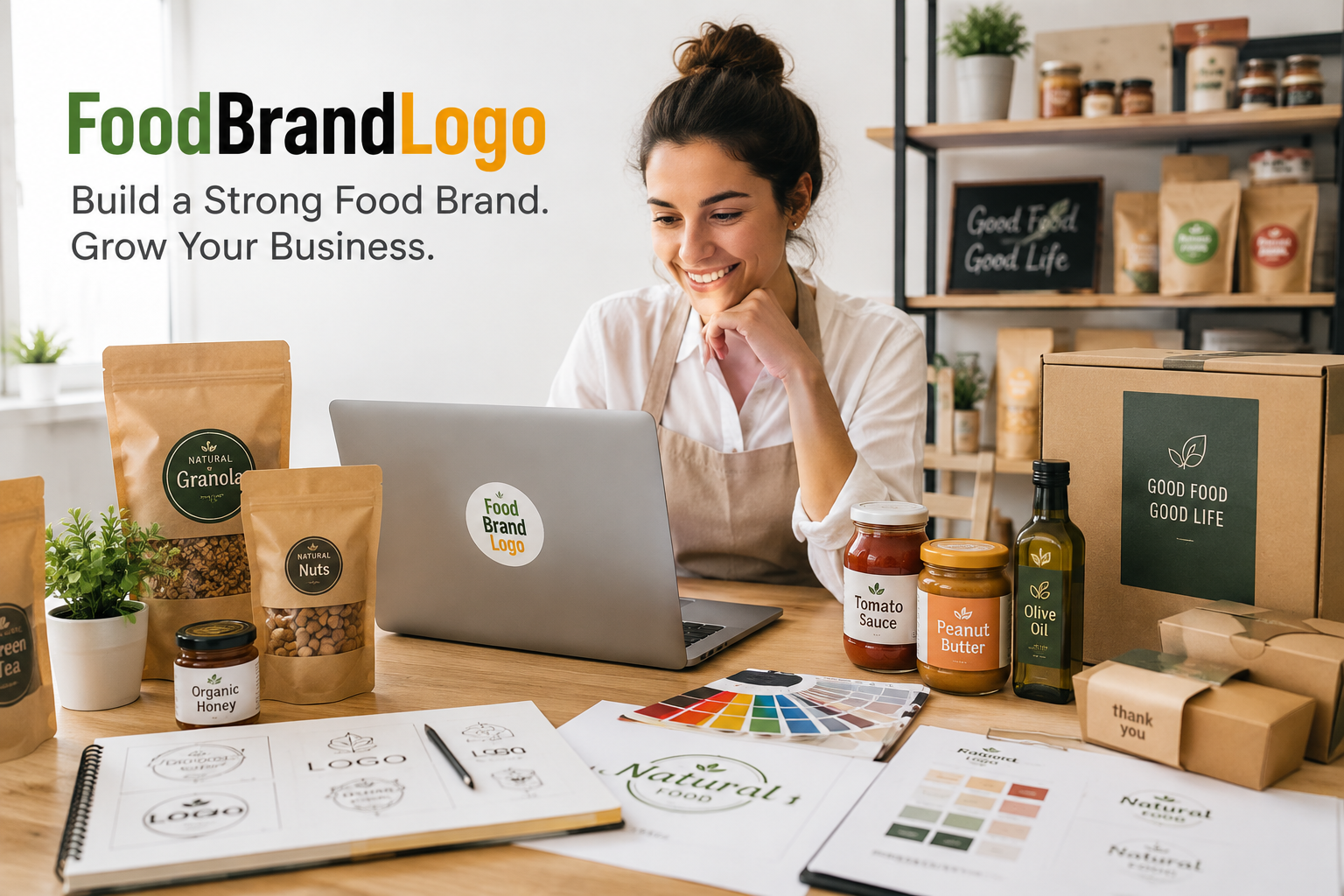
9. Build a Food Brand People Remember
Here’s where your food business becomes more than just another company selling food.
Branding matters.
Think about some of the food brands you recognize immediately. You may remember their logo, packaging, colors, typography, or even the way their products are presented before you remember the actual ingredients.
Your food brand should communicate something about your business.
Start with:
- A memorable brand name
- A professional logo
- Consistent colors
- Clear typography
- Attractive packaging
- A recognizable visual style
Your logo doesn’t need to be complicated.
In fact, simple logos are often easier to recognize and remember.
The goal is to create a visual identity that works on your website, packaging, social media, menus, business cards, and promotional materials.
10. Create an Online Presence
Even if your food business operates locally, customers will probably search for you online.
At a minimum, consider creating:
- A professional website
- Social media profiles
- A Google Business Profile if appropriate
- Professional product photos
- Clear contact information
- Online ordering if relevant
Your website doesn’t need hundreds of pages when you’re starting.
Focus on the essentials:
What do you sell?
Who are you?
Where do you operate?
How can customers buy from you?
How can customers contact you?
Keep the experience simple.
11. Don’t Ignore Packaging
For packaged food businesses, packaging isn’t just about protecting the product.
It’s part of your marketing.
A customer might see your product on a shelf and have only a few seconds to decide whether it looks interesting.
Good packaging should make it easy to understand:
- What the product is
- What makes it special
- Who it’s for
- What the brand represents
Your logo, colors, typography, product photography, and packaging design should work together rather than looking like separate pieces.
12. Start Small and Learn
One of the biggest mistakes new entrepreneurs make is trying to build everything at once.
You don’t necessarily need a huge kitchen, expensive website, massive inventory, and complicated marketing campaign on day one.
Start with what you actually need.
Test your product.
Listen to customers.
Find out what sells.
Improve your branding.
Then invest more as the business proves itself.
A small food business that understands its customers can have a much stronger foundation than a business that spends heavily before knowing what people actually want.
Common Mistakes to Avoid
Before you launch, keep an eye out for these common mistakes:
Mixing Personal and Business Finances
Keep business income and expenses organized from the beginning.
Ignoring Insurance
Don’t assume that nothing will go wrong simply because you’re a small business.
Spending Too Much Too Early
Expensive equipment and branding don’t automatically create customers.
Forgetting Legal Requirements
Check the rules that apply to your specific location and business model.
Choosing a Brand Name Too Quickly
Research your name before investing heavily in packaging, signage, or marketing.
Not Tracking Expenses
If you don’t know where your money is going, it’s difficult to know whether your business is actually profitable.
A Simple Food Business Startup Checklist
Before launching, you should have a basic plan for:
- Your food product or service
- Target customers
- Business structure
- Business bank account
- Insurance
- Startup budget
- Financing, if needed
- Licenses and permits
- Brand name and trademark research
- Logo and visual identity
- Accounting system
- Website
- Packaging
- Marketing strategy
You don’t need every detail figured out before taking the first step. But you should understand the major pieces before putting significant money into the business.
Final Thoughts
Starting a food business in the USA can look complicated from the outside. There are permits to research, money to manage, insurance to consider, legal questions to answer, and a brand to build.
But you don’t have to solve everything at once.
Start with a clear food idea. Understand your customers. Separate your business finances. Research your legal requirements. Protect your business where appropriate. Keep good financial records. And build a brand that people can recognize and remember.
Most importantly, don’t build a food business only around the product. Build it around the customer, the brand, and the experience.
A great food product might get someone’s attention once.
A great brand gives them a reason to remember you and come back.
Frequently Asked Questions
How much money do I need to start a food business in the USA?
There isn’t one fixed amount. A home-based food business may require far less capital than a restaurant or food truck. Your costs will depend on your business model, location, equipment, permits, inventory, staffing, and marketing.
Do I need insurance for a food business?
Insurance requirements vary depending on your business and location. Even when a specific policy isn’t legally required, appropriate coverage can help protect your business from certain risks.
Do I need a trademark for my food brand?
Not every business needs a registered trademark, but if you’re building a long-term food brand, trademark protection may be worth considering. Research your name before investing heavily in branding.
Can I start a food business from home?
Possibly. However, home-based food businesses can be subject to specific state and local rules. Check the requirements where you live before selling food from your home.
What should I do first when starting a food business?
Start by defining your product, target customer, business model, and startup budget. Then research the legal and regulatory requirements that apply to your location.
