
Spring Vegetable Minestrone Soup – Bright, Fresh, and Comforting
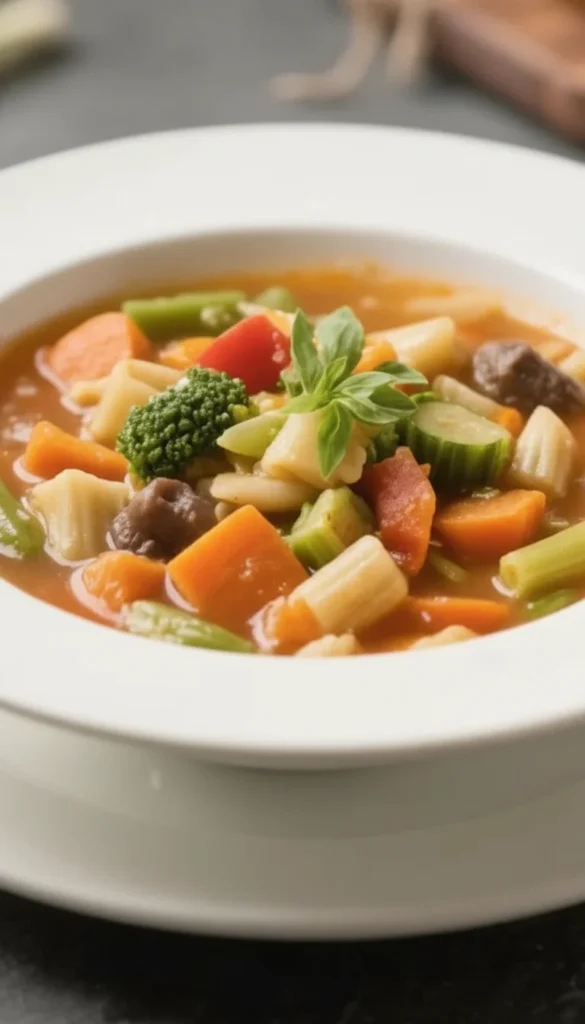
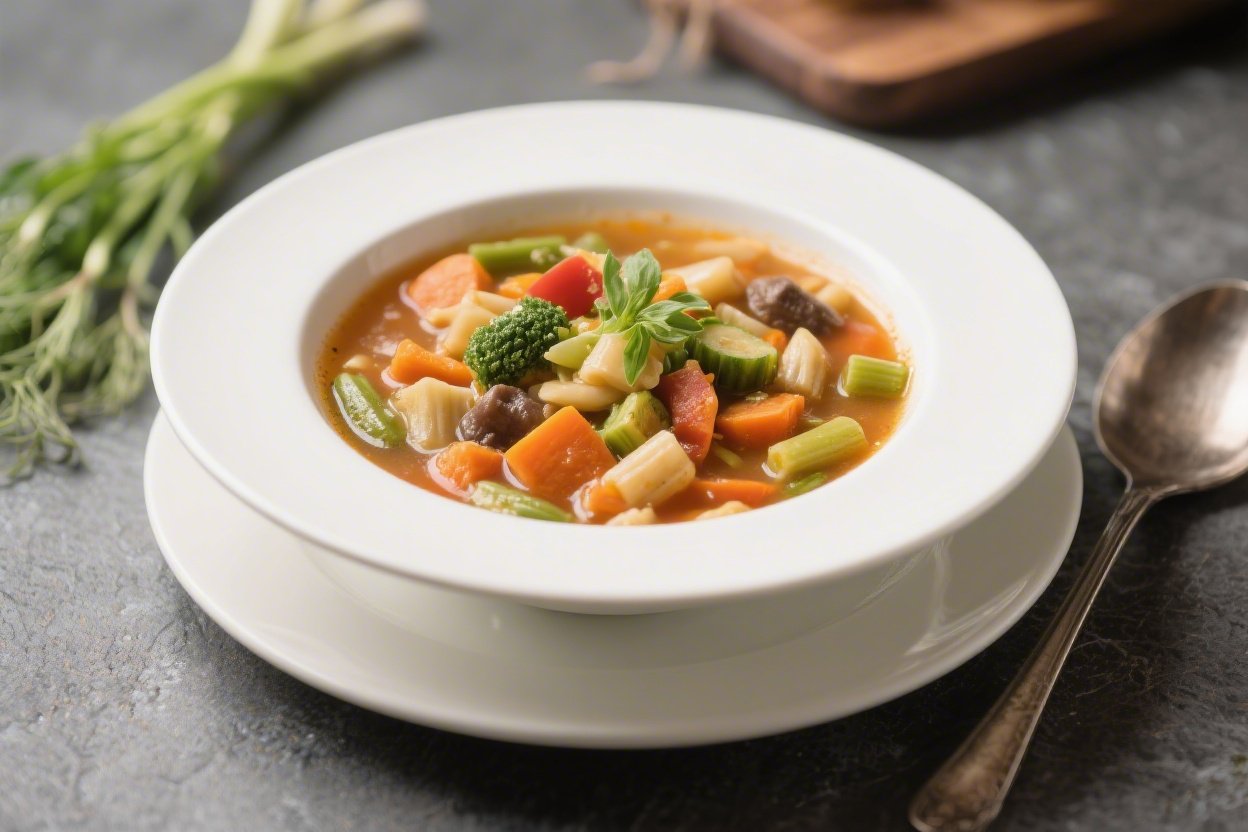
Spring minestrone brings all the crisp, tender flavors of the season into one cozy bowl. It’s light enough for warmer days but still satisfying, thanks to beans, pasta, and a savory broth. This is the kind of soup that makes you feel good after you eat it clean, colorful, and full of texture.
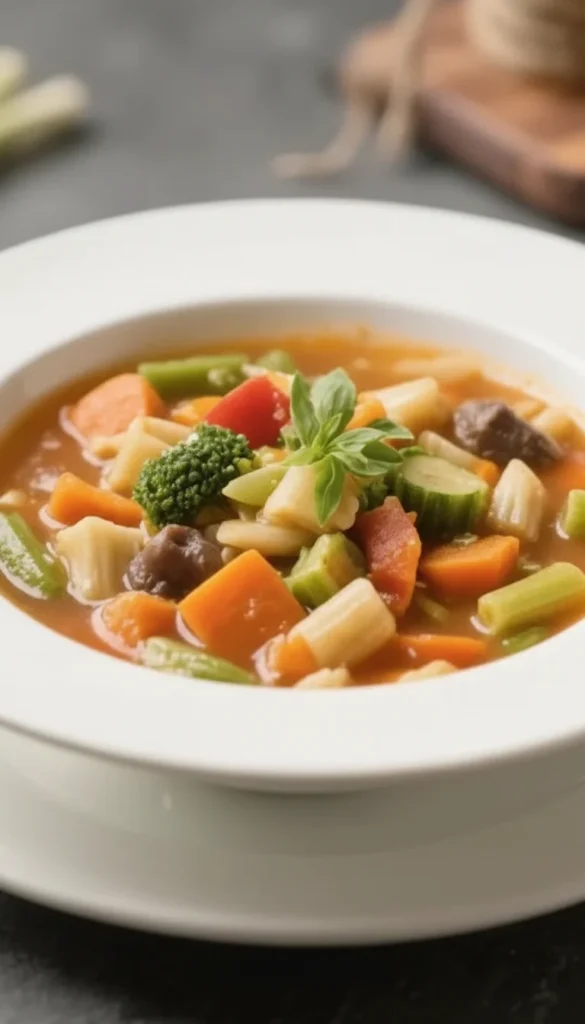
It comes together with simple techniques and uses whatever spring produce you have on hand. Make it once, and you’ll keep it in your rotation all season long.
What Makes This Recipe So Good
- Peak-season flavor: Asparagus, peas, leeks, and greens shine when they’re barely cooked.
- Quick but layered: A short simmer keeps vegetables bright while still building a flavorful broth.
- One-pot, weeknight-friendly: Minimal cleanup and ready in about 40 minutes.
- Flexible and forgiving: Swap in the spring veg you love or already have.
- Light yet filling: Beans, small pasta, and parmesan bring comfort without heaviness.
What You’ll Need
- 2 tablespoons extra-virgin olive oil
- 1 leek, white and light green parts only, thinly sliced (or 1 small onion, diced)
- 2 medium carrots, diced
- 2 celery stalks, diced
- 3 garlic cloves, minced
- 1 teaspoon kosher salt, plus more to taste
- 1/2 teaspoon freshly ground black pepper
- 1/2 teaspoon red pepper flakes (optional)
- 6 cups low-sodium vegetable broth (or chicken broth)
- 1 cup diced tomatoes (canned or fresh)
- 1 bay leaf
- 1 parmesan rind (optional but recommended)
- 1 cup small pasta (ditalini, mini shells, or orzo)
- 1 can (15 ounces) cannellini or navy beans, drained and rinsed
- 1 bunch asparagus, trimmed and cut into 1-inch pieces
- 1 cup fresh or frozen peas
- 2 cups chopped tender greens (spinach, baby kale, or Swiss chard)
- 1 lemon (zest and juice)
- 1/4 cup chopped fresh herbs (basil, parsley, or dill)
- Grated parmesan, for serving
- Extra olive oil, for finishing
Step-by-Step Instructions
- Sweat the aromatics: Warm olive oil in a large pot over medium heat. Add leek, carrots, and celery with a pinch of salt.Cook 5–7 minutes, stirring, until softened but not browned. Add garlic and cook 30 seconds.
- Build the broth: Stir in black pepper, red pepper flakes, broth, tomatoes, bay leaf, and parmesan rind. Bring to a gentle simmer and cook 10 minutes to marry the flavors.
- Add the pasta: Stir in the pasta and simmer until al dente, usually 7–9 minutes, stirring occasionally so it doesn’t stick.
- Finish with vegetables: Add beans and asparagus.Cook 3–4 minutes, then add peas and greens. Simmer just until bright and tender, 2–3 minutes. Remove bay leaf and rind.
- Brighten and season: Stir in lemon zest and juice.Taste and adjust salt and pepper. If the soup is thick, splash in more broth or hot water.
- Serve: Ladle into bowls and top with grated parmesan, fresh herbs, and a drizzle of olive oil.
Keeping It Fresh
- Storage: Cool completely, then refrigerate in airtight containers for up to 4 days.
- Pasta tip: Pasta keeps soaking up broth. For the best texture, cook pasta separately and add it to bowls when serving, then pour the hot soup over.
- Freezing: Freeze without pasta for up to 2 months.Thaw in the fridge and reheat gently, then add freshly cooked pasta.
- Reheating: Warm over medium-low heat. Add a splash of water or broth if it thickens.
Why This is Good for You
- Fiber and plant protein: Beans support digestion and keep you full.
- Vitamins and minerals: Asparagus, peas, and greens bring vitamin C, folate, vitamin K, and iron.
- Lower in saturated fat: Olive oil and parmesan add flavor without heaviness.
- Hydrating and light: Brothy soups help with hydration and are easy on the stomach.
Pitfalls to Watch Out For
- Overcooking vegetables: Add delicate veg at the end so they stay crisp-tender and bright.
- Mushy pasta: Time it carefully, or cook it separately to control texture.
- Under-seasoning: Layer salt lightly from the start and adjust at the end, especially if using low-sodium broth.
- Skipping acidity: Lemon juice (or a splash of vinegar) wakes up the whole pot.
Recipe Variations
- Grain swap: Use farro, barley, or quinoa instead of pasta. Cook grains separately and add before serving.
- Protein boost: Stir in shredded rotisserie chicken or turkey in the last few minutes.
- Veggie swaps: Try zucchini, sugar snap peas, fava beans, or tender broccoli florets.
- Dairy-free: Skip the parmesan and finish with extra herbs and lemon.A spoonful of pesto (dairy-free if needed) is great.
- Herb-forward: Add a big handful of chopped basil and parsley right before serving.
FAQ
Can I make this gluten-free?
Yes. Use gluten-free pasta or a gluten-free grain like quinoa. Also skip the parmesan rind, as some brands may contain trace gluten; use a dairy-free alternative if needed.
What’s the best broth for minestrone?
A good low-sodium vegetable broth is ideal for a clean, springy flavor. If you prefer a richer profile, chicken broth works well too.
How do I keep the soup from getting cloudy?
Avoid a hard boil. Simmer gently, and add delicate vegetables near the end. This keeps the broth clear and the colors vibrant.
Can I cook it in advance?
Absolutely. Make the soup base without pasta and tender vegetables. Reheat, then add pasta, asparagus, peas, and greens right before serving.
What can I use instead of a parmesan rind?
Add an extra handful of grated parmesan at the end, or a spoonful of white miso for depth. Taste and adjust salt if using miso.
Final Thoughts
Spring vegetable minestrone is simple cooking at its best: fresh produce, a fragrant broth, and a quick finish that keeps every color and texture intact. With a squeeze of lemon and a shower of herbs, it feels both nourishing and special. Keep the method, swap the veg, and make it your own all season long.
Ingredients
Method
- Sweat the aromatics: Warm olive oil in a large pot over medium heat. Add leek, carrots, and celery with a pinch of salt. Cook 5–7 minutes, stirring, until softened but not browned. Add garlic and cook 30 seconds.
- Build the broth: Stir in black pepper, red pepper flakes, broth, tomatoes, bay leaf, and parmesan rind. Bring to a gentle simmer and cook 10 minutes to marry the flavors.
- Add the pasta: Stir in the pasta and simmer until al dente, usually 7–9 minutes, stirring occasionally so it doesn’t stick.
- Finish with vegetables: Add beans and asparagus. Cook 3–4 minutes, then add peas and greens. Simmer just until bright and tender, 2–3 minutes. Remove bay leaf and rind.
- Brighten and season: Stir in lemon zest and juice. Taste and adjust salt and pepper. If the soup is thick, splash in more broth or hot water.
- Serve: Ladle into bowls and top with grated parmesan, fresh herbs, and a drizzle of olive oil.
Printable Recipe Card
Want just the essential recipe details without scrolling through the article? Get our printable recipe card with just the ingredients and instructions.