
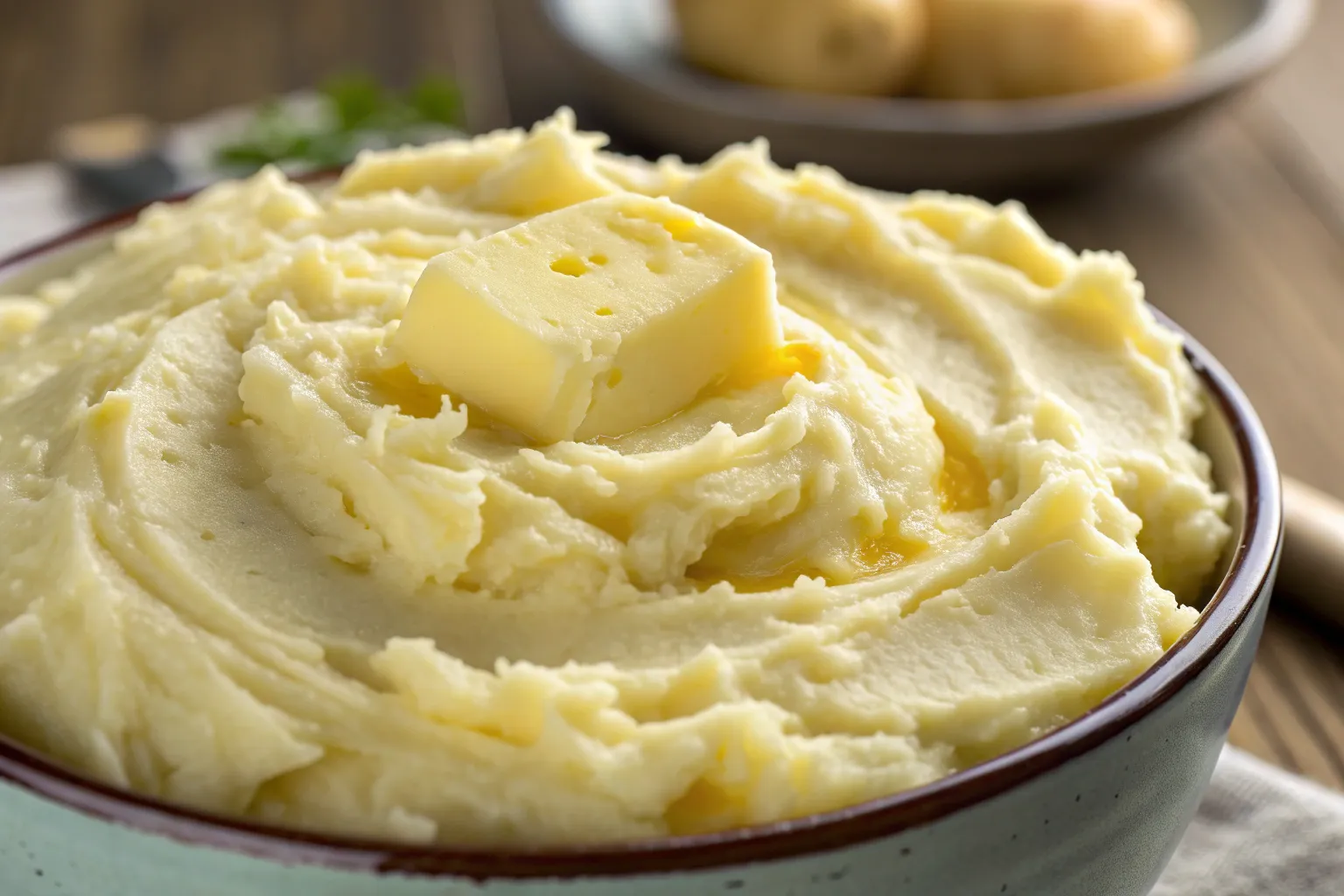
Mashed Potato Recipe
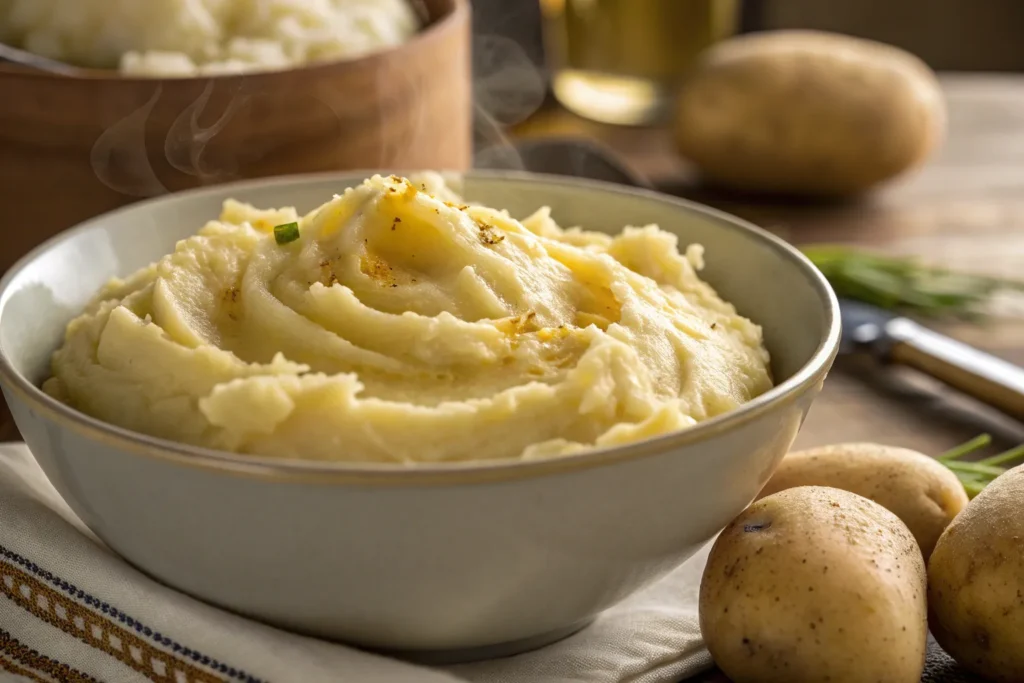
Mashed potatoes are a timeless comfort food that has earned its place at dinner tables across the world. Creamy, smooth, and deeply satisfying, this classic dish pairs beautifully with everything from roasted meats to vegetables and gravies. Whether served as a humble weeknight side or as part of a festive holiday spread, mashed potatoes bring warmth and familiarity to any meal. When made properly, they strike the perfect balance between fluffy texture and rich flavor, turning simple ingredients into something truly special.
Why You’ll Love This Recipe
You’ll love this mashed potato recipe because it delivers consistently creamy and flavorful results without being complicated. It relies on simple techniques that highlight the natural taste of the potatoes rather than masking them. This recipe is versatile enough to be customized to your preferences—whether you like them ultra-smooth, slightly chunky, buttery, or extra creamy—making it a dependable go-to for any occasion.
Nutritional Info
Mashed potatoes provide a good source of carbohydrates, which supply energy, along with potassium and vitamin C naturally found in potatoes. When prepared at home, you can control the amount of butter, milk, or cream used, making it easy to adjust the richness to suit your dietary needs. While indulgent, mashed potatoes can be part of a balanced meal when enjoyed in moderation.
Time Breakdown
Preparation takes about 10 minutes, mainly for peeling and chopping the potatoes. Cooking time is approximately 15 to 20 minutes until the potatoes are tender. Mashing and seasoning require another 5 minutes, bringing the total time to around 30 to 35 minutes from start to finish.
Ingredients
- Potatoes (Yukon Gold or Russet work best)
- Salt
- Butter
- Milk or cream
- Black pepper
- Optional additions: garlic, sour cream, cream cheese, or herbs
Instructions; How to Make
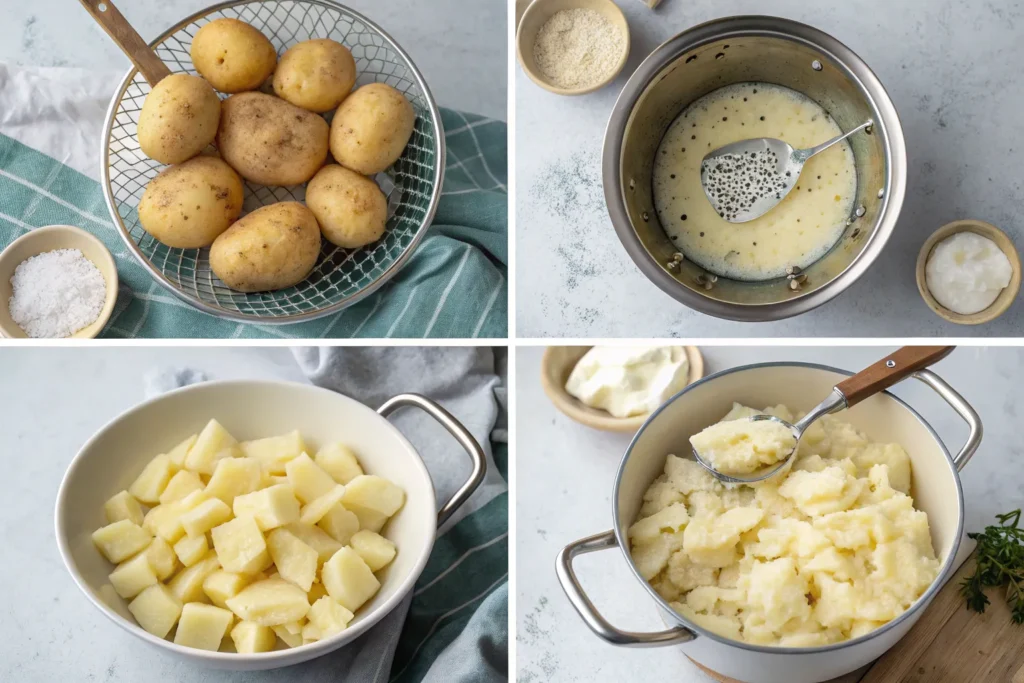
To make mashed potatoes, begin by peeling and cutting the potatoes into evenly sized chunks. Place them in a pot and cover with cold, salted water, then bring to a boil. Cook until the potatoes are fork-tender, then drain thoroughly. Return the potatoes to the warm pot to allow excess moisture to evaporate. Mash using a potato masher or ricer, then add warm butter and milk gradually while mixing until smooth and creamy. Season with salt and pepper, tasting and adjusting as needed before serving.
Variations
Mashed potatoes can be easily adapted to suit different tastes. Garlic mashed potatoes add depth and aroma, while sour cream or cream cheese creates an extra-rich texture. For a lighter version, olive oil or warm broth can replace some of the butter and milk. Herbs such as chives, parsley, or rosemary bring freshness and color to the dish.
Texture & Consistency Tips
Achieving the perfect texture is key to great mashed potatoes. Avoid overmixing, as this can make them gluey. Using warm milk and butter helps the potatoes absorb the liquid smoothly. Draining the potatoes well and letting steam escape ensures a fluffier final result.
Storing & Reheating Suggestions
Leftover mashed potatoes should be stored in an airtight container in the refrigerator for up to three days. Reheat gently on the stovetop or in the microwave, adding a splash of milk or butter to restore creaminess. Stir occasionally to ensure even heating.
How to Serve Elegantly
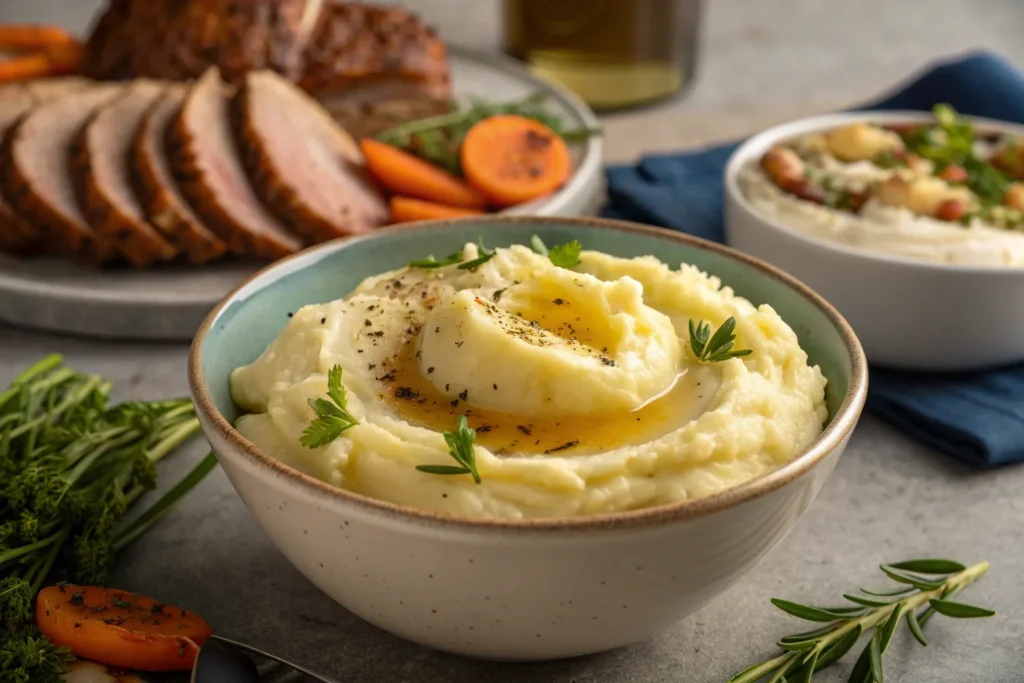
Serve mashed potatoes in a warm bowl with a small well in the center filled with melted butter or gravy. Garnish with fresh herbs or a sprinkle of black pepper for a refined presentation. They pair beautifully with roasted meats, vegetables, or hearty sauces.
Common Mistakes to Avoid
Using the wrong type of potato, overmixing, or adding cold milk can negatively affect texture and flavor. Starting potatoes in cold water and cooking them evenly helps ensure a smooth mash. Taking care with these small details makes a noticeable difference.
Chef’s Special Tips
Choose starchy potatoes for the fluffiest results. Warm all dairy before adding it to the potatoes, and season gradually, tasting as you go. For ultra-smooth mashed potatoes, a potato ricer yields the best texture.
Conclusion
This mashed potato recipe is a true kitchen classic that proves simple ingredients can create extraordinary comfort food. Creamy, adaptable, and universally loved, it’s a dish that belongs in every home cook’s repertoire. Whether served at a holiday feast or a casual family dinner, perfectly made mashed potatoes always deliver warmth and satisfaction.
FAQs
What potatoes are best for mashed potatoes?
Starchy potatoes like Yukon Gold or Russet potatoes are best because they mash smoothly and absorb butter and milk well.
Why are my mashed potatoes gluey?
Overmixing releases too much starch, resulting in a gluey texture. Mash gently and stop once smooth.
Can I make mashed potatoes ahead of time?
Yes, they can be made a day ahead and reheated gently with added milk or butter.
How can I make mashed potatoes dairy-free?
Use olive oil, plant-based butter, or warm vegetable broth instead of milk and butter.
Can mashed potatoes be frozen?
They can be frozen, but texture may change slightly. Adding extra butter or cream helps maintain creaminess after thawing.
Printable Recipe Card
Want just the essential recipe details without scrolling through the article? Get our printable recipe card with just the ingredients and instructions.