
Old Sichuan Peppercorn Noodles – Authentic Spicy Chinese Dish
This classic bowl packs heat, fragrance, and that signature tingling spark from real Sichuan peppercorns. It’s fast, deeply satisfying, and built on a few pantry staples. The flavors land bold and balanced: numbing, spicy, savory, and a little sweet.
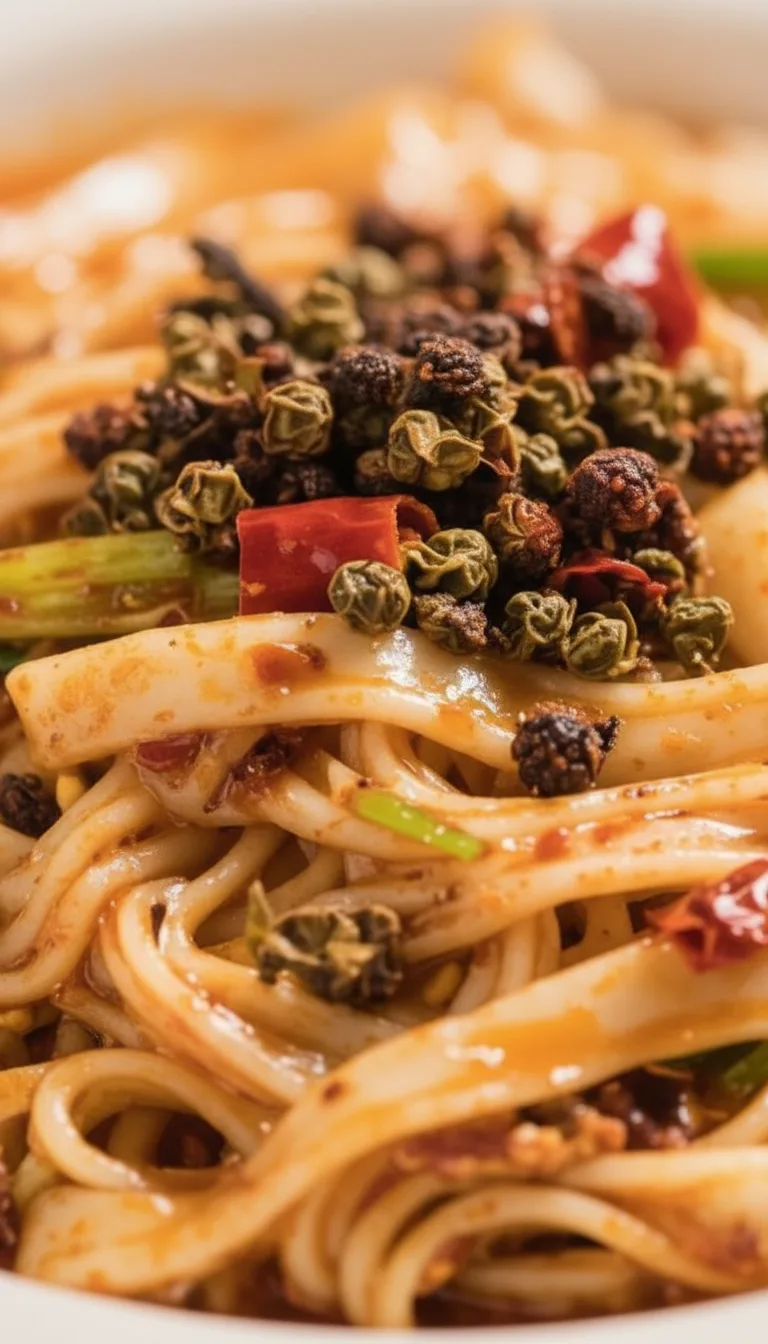
If you like heat that makes your lips buzz in the best way, this is your dish. It’s weeknight-friendly but tastes like it came from a beloved noodle shop.
Why This Recipe Works
- Layered aromatics: Garlic, scallion, and ginger bloom in hot oil, creating a rich base that clings to the noodles.
- Sichuan peppercorn spotlight: Toasting and grinding releases a citrusy aroma and the famous tingling sensation without bitterness.
- Balanced heat: Chili oil brings warmth while soy sauce and sugar round things out for a smooth, savory finish.
- Textural contrast: Springy wheat noodles soak up the sauce, while crushed peanuts and sesame add crunch and nuttiness.
- Quick technique: The sauce comes together in minutes, so the noodles never overcook or turn gummy.
What You’ll Need
- Wheat noodles: Fresh Chinese wheat noodles or dried lo mein/alkaline ramen-style noodles.
- Sichuan peppercorns: Preferably red (hong hua jiao), whole, then toasted and ground.
- Chili oil: Lao gan ma–style or homemade; include some chili flakes for extra kick.
- Light soy sauce: For salinity and umami.
- Dark soy sauce: For color and a touch of molasses depth.
- Chinese black vinegar (Zhenjiang): Adds brightness and balance.
- Sugar: Just a pinch to round the heat.
- Garlic: Finely minced.
- Ginger: Finely minced or grated.
- Scallions: Whites and greens, thinly sliced.
- Sesame paste or tahini: Optional, for creaminess and body.
- Toasted sesame oil: A few drops for aroma.
- Neutral oil: Peanut, canola, or vegetable for blooming aromatics.
- Crushed roasted peanuts: Optional garnish.
- Fresh cilantro: Optional garnish.
- Salt: For noodle water, if needed.
How to Make It
- Toast the peppercorns: In a dry pan over medium heat, toast Sichuan peppercorns for 2–3 minutes until fragrant. Cool, then grind to a coarse powder.Sift out any hard husks.
- Prep aromatics: Mince garlic and ginger. Slice scallions, keeping whites and greens separate.
- Mix the sauce base: In a bowl, combine light soy (2 tbsp), dark soy (1 tsp), black vinegar (1–1.5 tbsp), sugar (1 tsp), chili oil (1–3 tbsp to taste), sesame paste (1–2 tsp, optional), and 1/2–1 tsp ground Sichuan peppercorn. Stir until smooth.
- Bloom aromatics: Heat 1–2 tbsp neutral oil.Add garlic, ginger, and scallion whites. Cook 30–45 seconds until just fragrant. Don’t brown.
- Build the sauce: Pour the warm aromatic oil into the sauce base.Whisk to emulsify. Add a few drops of toasted sesame oil. Adjust salt, heat, and acidity to taste.
- Cook noodles: Boil noodles until just al dente.Reserve 1/4 cup starchy water. Drain well.
- Toss: Add hot noodles to the sauce. Splash in a little noodle water to loosen and help it cling.Toss until evenly coated.
- Finish and serve: Top with scallion greens, more ground peppercorn, crushed peanuts, and cilantro if you like. Serve immediately while hot and glossy.
Storage Instructions
- Refrigerate: Store leftover noodles in an airtight container for up to 2 days.
- Reheat: Warm gently in a pan with a splash of water or broth. Add a drizzle of fresh chili oil to refresh the flavors.
- Sauce ahead: The sauce (without fresh aromatics) keeps 1 week in the fridge.Stir in freshly bloomed garlic/ginger right before serving for best aroma.
Health Benefits
- Sichuan peppercorns: Naturally aromatic and used traditionally to aid digestion; they deliver big flavor with minimal sodium.
- Aromatics: Garlic and ginger provide antioxidants and can support gut health.
- Customizable heat and oil: You control chili oil and sesame paste, making it lighter or richer as you prefer.
- Balanced carbs: Pair with blanched greens or tofu for fiber and protein to make a more complete meal.
What Not to Do
- Don’t skip toasting the peppercorns: Raw peppercorns can taste flat or woody.
- Don’t burn the aromatics: Bitter garlic will overpower the dish.
- Don’t overcook noodles: They’ll turn pasty and won’t hold the sauce.
- Don’t drown it in soy: Too much salt mutes the citrusy peppercorn notes.
- Don’t use old chili oil: Rancid oil ruins the aroma; use fresh, bright-red oil.
Alternatives
- Noodles: Use udon, spaghetti, or rice noodles if needed. For gluten-free, choose rice noodles and tamari.
- Protein add-ins: Shredded chicken, ground pork, tofu, or jammy eggs make it heartier.
- Greens: Toss in blanched bok choy, spinach, or bean sprouts for freshness.
- Heat levels: Swap some chili oil for chili crisp if you want crunch without extra fire.
- Vinegar: If you can’t find black vinegar, mix rice vinegar with a splash of balsamic for depth.
FAQ
What do Sichuan peppercorns taste like?
They’re citrusy, floral, and slightly piney, with a gentle numbing effect called “ma.” They’re not hot like chiles; they enhance and balance heat.
Can I make it less spicy?
Yes. Use less chili oil, add more soy and vinegar for balance, and include sesame paste to soften the heat. A touch more sugar also tames the spice.
Do I need both light and dark soy sauce?
Light soy brings salt and umami. Dark soy adds color and mild sweetness. If you have only light soy, use it and add a pinch of sugar and a drop of molasses if available.
How fine should I grind the peppercorns?
Aim for a coarse powder. Too fine can turn murky and bitter; too coarse can be gritty. Sift out hard bits for a smooth finish.
Can I make this vegetarian or vegan?
Absolutely. The base is already plant-friendly. Just ensure your noodles and soy sauce are vegan, and add tofu or mushrooms for extra substance.
Wrapping Up
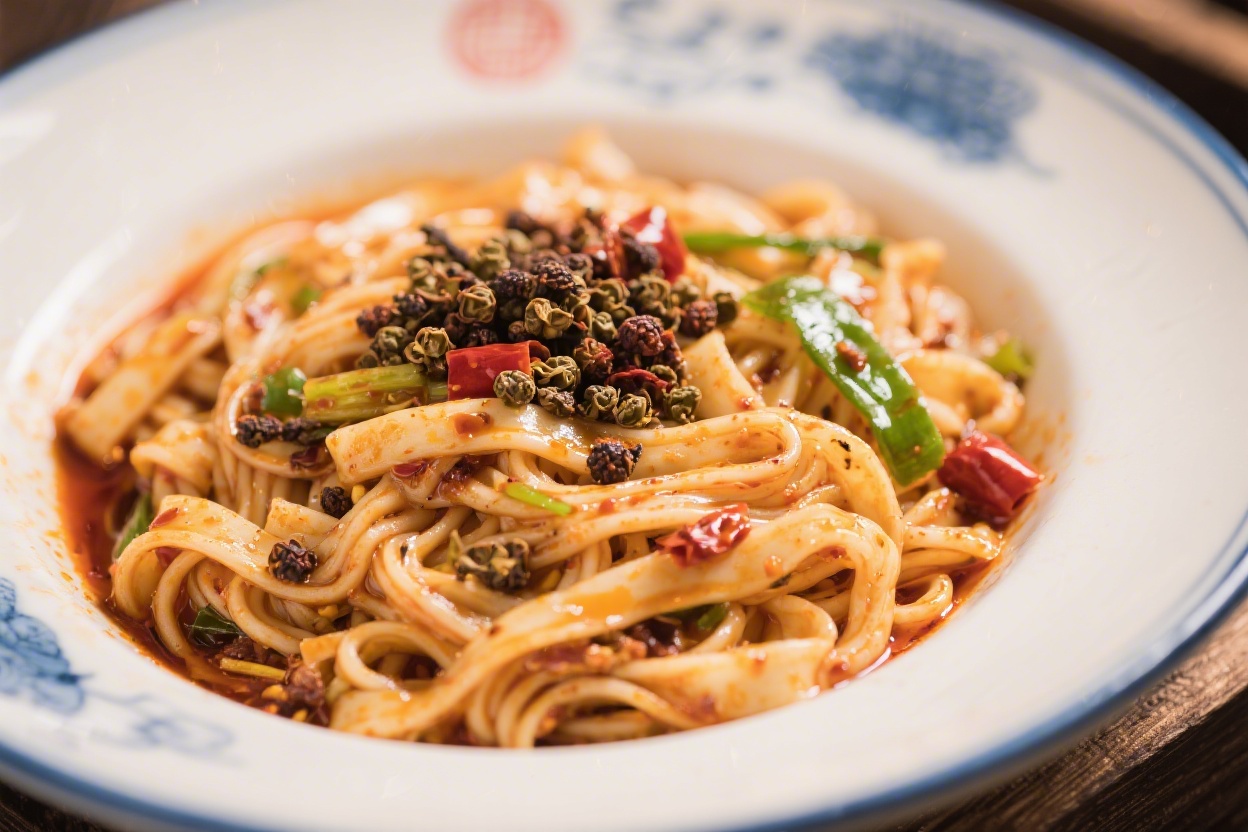
Old Sichuan Peppercorn Noodles are bold, quick, and endlessly customizable. With fresh aromatics, properly toasted peppercorns, and a balanced sauce, you’ll get the true numbing-spicy magic in minutes. Keep it simple or dress it up either way, it’s a knockout bowl you’ll make again and again.
Ingredients
Method
- Toast the peppercorns: In a dry pan over medium heat, toast Sichuan peppercorns for 2–3 minutes until fragrant. Cool, then grind to a coarse powder. Sift out any hard husks.
- Prep aromatics: Mince garlic and ginger. Slice scallions, keeping whites and greens separate.
- Mix the sauce base: In a bowl, combine light soy (2 tbsp), dark soy (1 tsp), black vinegar (1–1.5 tbsp), sugar (1 tsp), chili oil (1–3 tbsp to taste), sesame paste (1–2 tsp, optional), and 1/2–1 tsp ground Sichuan peppercorn. Stir until smooth.
- Bloom aromatics: Heat 1–2 tbsp neutral oil. Add garlic, ginger, and scallion whites. Cook 30–45 seconds until just fragrant. Don’t brown.
- Build the sauce: Pour the warm aromatic oil into the sauce base. Whisk to emulsify. Add a few drops of toasted sesame oil. Adjust salt, heat, and acidity to taste.
- Cook noodles: Boil noodles until just al dente. Reserve 1/4 cup starchy water. Drain well.
- Toss: Add hot noodles to the sauce. Splash in a little noodle water to loosen and help it cling. Toss until evenly coated.
- Finish and serve: Top with scallion greens, more ground peppercorn, crushed peanuts, and cilantro if you like. Serve immediately while hot and glossy.
Printable Recipe Card
Want just the essential recipe details without scrolling through the article? Get our printable recipe card with just the ingredients and instructions.