
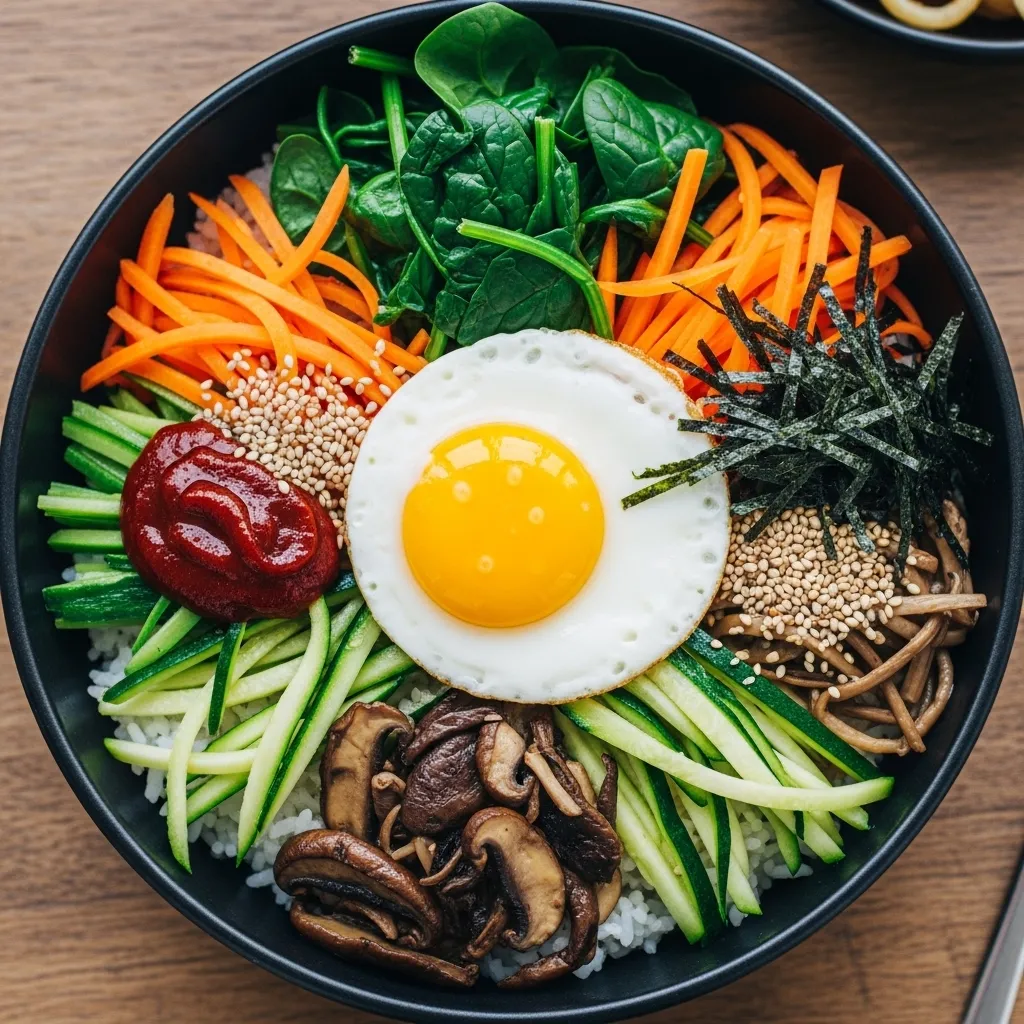
Easy Bibimbap Recipe at Home
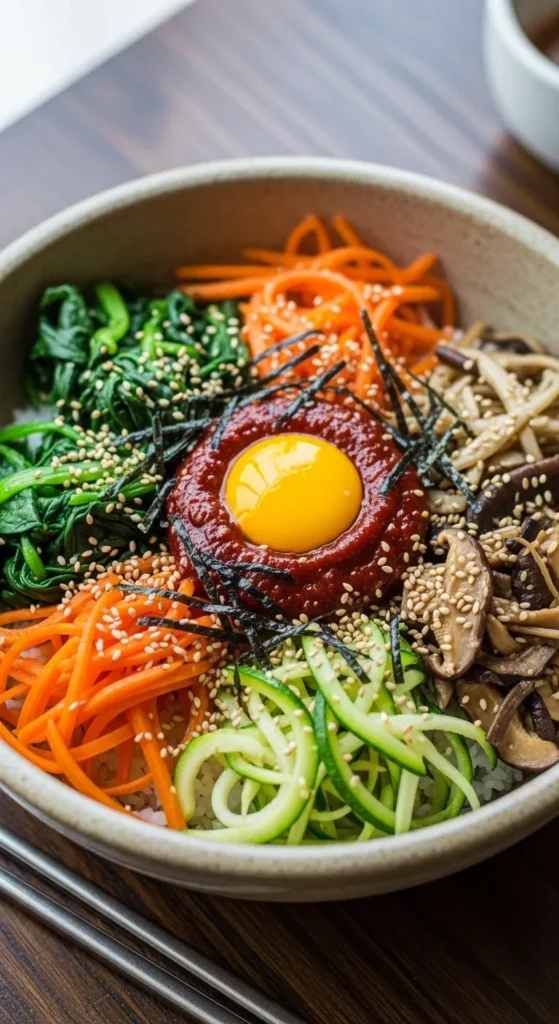
So you’re craving something tasty but too lazy to spend forever in the kitchen, huh? Same. That’s where bibimbap comes in Korean comfort food that’s basically a rainbow in a bowl, but without the guilt, without the Michelin-star price tag, and without needing to understand a single Korean word (unless you want to impress your friends with your “authentic” pronunciation, which is optional).
This isn’t one of those recipes where you have to fold origami with your vegetables or perform a ceremonial dance over the rice. Nope. We’re keeping it real, fun, and absolutely delicious.
Why This Recipe is Awesome
Why is this recipe awesome? Well, let me count the ways:
- It’s idiot-proof. Seriously. Even if your last cooking achievement was nuking a frozen pizza, you got this.
- It’s customizable AF. Hate mushrooms? Swap ‘em. Vegetarian? You’re golden. Meat-lover? Hello, protein paradise.
- It looks fancy, but doesn’t take all day. Perfect for flexing on Instagram without spending 3 hours chopping things.
- It’s healthy-ish. There’s rice, veggies, a smidge of protein, and some spicy goodness. You can pretend it’s a salad if you want.
- It’s fun. Layer colors, drizzle sauce, mix it like a kid in a candy store. Nothing else tastes this good while feeling like a mini art project.
In short, bibimbap = life hack for dinner.
Ingredients You’ll Need
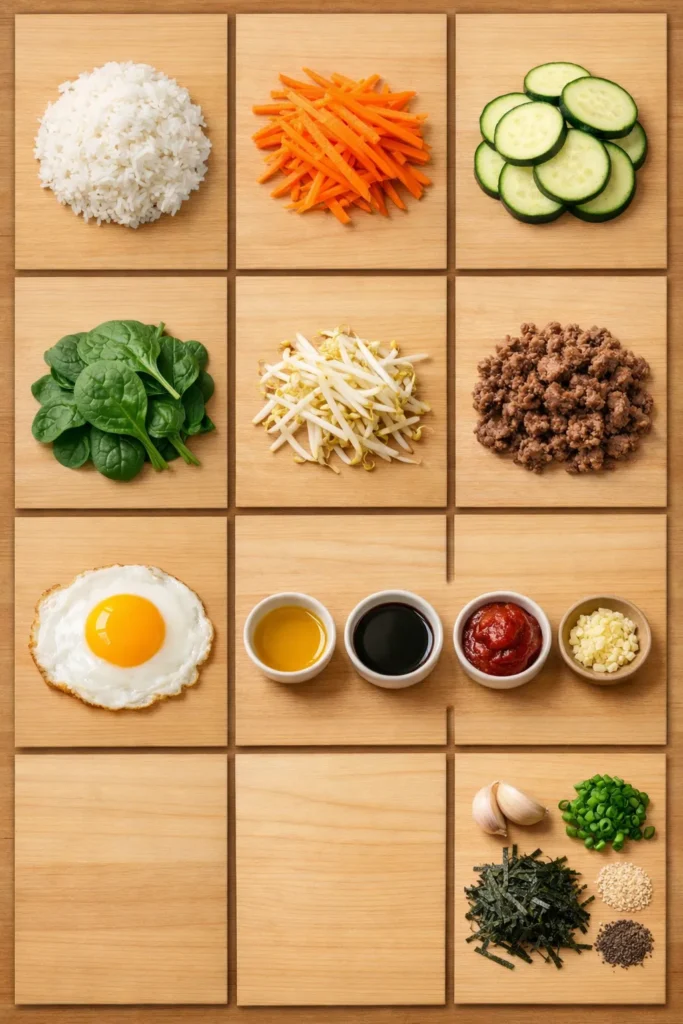
Here’s the lineup for your soon-to-be rainbow bowl:
- 1 cup white rice (or brown if you’re feeling fancy/healthy)
- 1 small carrot, julienned (aka matchstick style, don’t worry if they’re not perfect)
- 1 zucchini, thinly sliced
- 1 cup spinach (fresh or frozen, just don’t overthink it)
- 1/2 cup bean sprouts (optional, but adds crunch)
- 200g ground beef or chicken (or tofu for our plant-based homies)
- 1 egg (sunny side up looks fancy, scrambled is fine too don’t judge)
- 2 tsp sesame oil (flavor bomb alert)
- 2 tbsp soy sauce
- 1 tbsp gochujang (Korean chili paste spicy, tangy, magical)
- 1 tsp sugar (balances out that spicy kick)
- 2 cloves garlic, minced
- Optional garnish: sesame seeds, sliced green onions, nori strips
Pro tip: You don’t need a 14-step Korean grocery expedition. Most ingredients can be found in regular stores, or swapped if necessary.
Step-by-Step Instructions
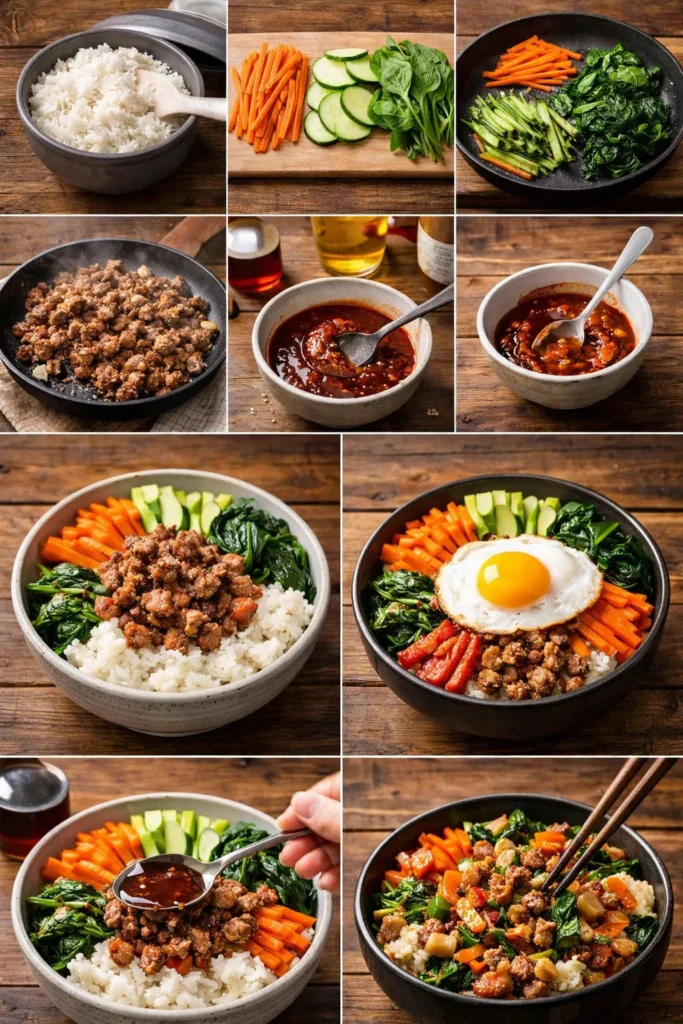
Alright, time to cook without losing your mind:
- Cook the rice.
Follow package instructions. Short on patience? Microwave rice is your best friend. Keep it warm. - Prep the veggies.
Julienne carrots, slice zucchini, wash spinach. Quick sauté the zucchini and carrots separately in a tiny bit of sesame oil for like 2–3 mins just soft enough, not mush. Spinach? Toss in a pan with a splash of water, cook 1–2 mins, then drain. Easy peasy. - Cook the protein.
In a pan, heat a little oil, toss in garlic, then the ground beef/chicken/tofu. Add 1 tbsp soy sauce + 1 tsp sugar for flavor. Cook until browned and glorious. - Make the bibimbap sauce.
Mix gochujang + 1 tsp sesame oil + 1 tsp sugar + splash of water. Taste-test (don’t worry, a little spice never killed anyone). Adjust to your preferred heat level. - Assemble the bowl.
Rice first, veggies in neat little piles, protein in the center, and egg on top. Drizzle your sauce over everything. Sprinkle sesame seeds or green onions for points. - Mix and eat like a savage.
Bibimbap is meant to be mixed don’t be shy. Grab your chopsticks, swirl everything together, and taste heaven.
Common Mistakes to Avoid
- Overcooking veggies. Nobody likes soggy carrots. Keep ‘em crunchy, vibrant, and Instagram-ready.
- Under-seasoned protein. Life’s too short for bland beef. Don’t skip the soy sauce/sugar combo.
- Gochujang hesitation. Too scared of spice? A little dab won’t hurt. Too timid? You’ll regret it when everyone else’s bowl is fire.
- Crowding the pan. Sauté in batches if needed. Veggies need space, not a mushy sauna.
- Skipping the egg. Optional? Sure. But let’s be real sunny side up is the crown jewel.
Alternatives & Substitutions
- Rice swaps: Quinoa, cauliflower rice, or even leftover fried rice. No judgment.
- Protein swaps: Tofu, tempeh, shrimp, or even leftover rotisserie chicken. Make it your own.
- Veggie swaps: Bell peppers, mushrooms, kale, cucumbers anything goes. Color = points.
- Sauce tweaks: No gochujang? Mix sriracha + a pinch of sugar + soy sauce. It’s not “authentic” but who cares it’s delicious.
- Egg options: Poached, soft-boiled, or skip if you’re vegan. Just make sure something creamy binds it all.
IMO, bibimbap is all about flexibility + flavor, so don’t overthink it.
Final Thoughts
There you have it a rainbow of deliciousness in a bowl that’s surprisingly easy to make. Bibimbap proves that you don’t need a PhD in cooking to wow your taste buds or your friends. Mix, match, customize, and make it yours.
Now go impress someone or just yourself with your new culinary skills. Bonus: if anyone asks, just nod sagely and say “I made authentic bibimbap” while casually ignoring the fact that you used frozen spinach. You’ve earned it.
Pro tip: Next time, try swapping veggies each week think of it as edible mood therapy. You might even start craving veggies (crazy, right?).
Happy mixing, munching, and mini-masterpiece-making!
Frequently Asked Questions(FAQs)
Printable Recipe Card
Want just the essential recipe details without scrolling through the article? Get our printable recipe card with just the ingredients and instructions.