
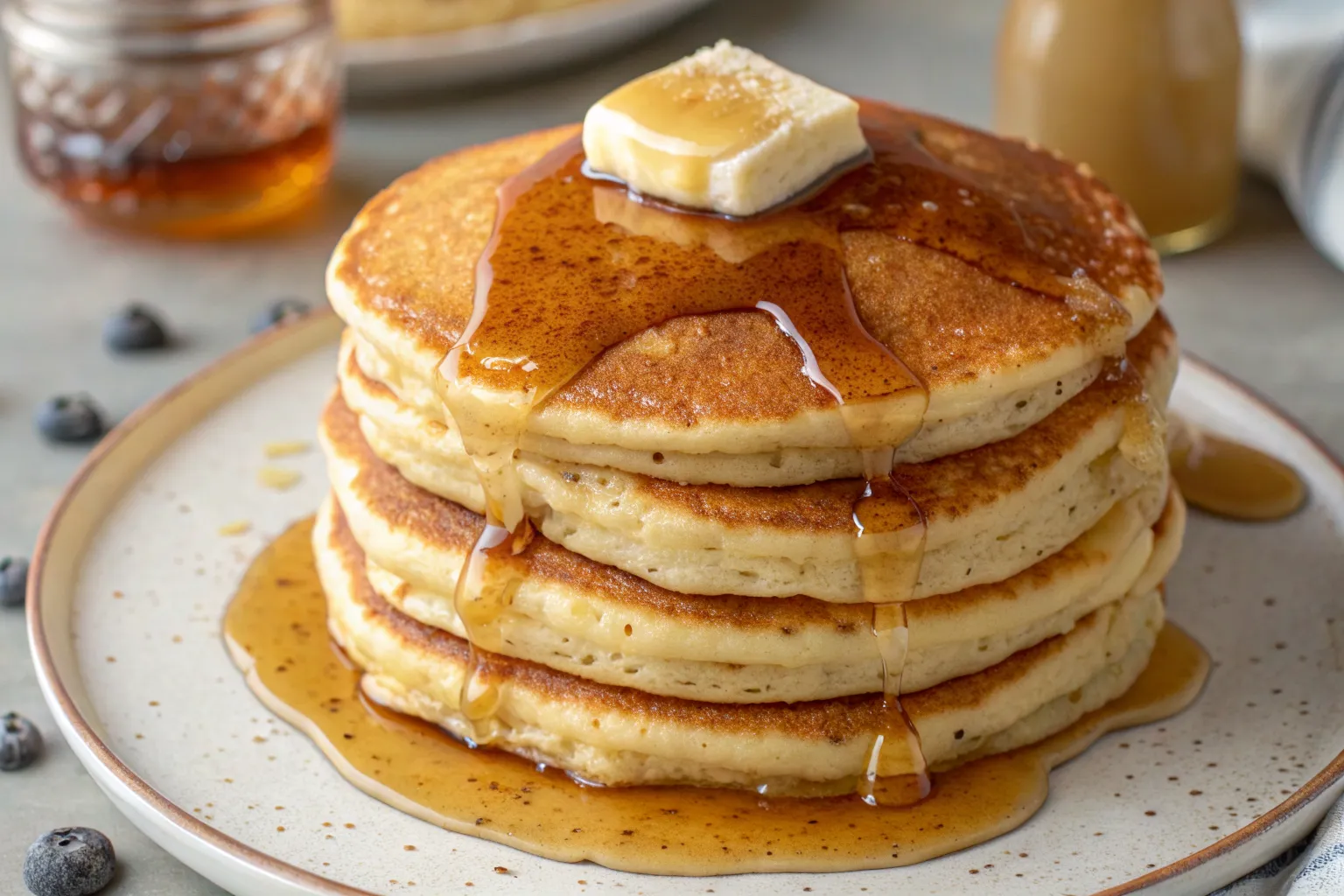
Old-Fashioned Pancakes
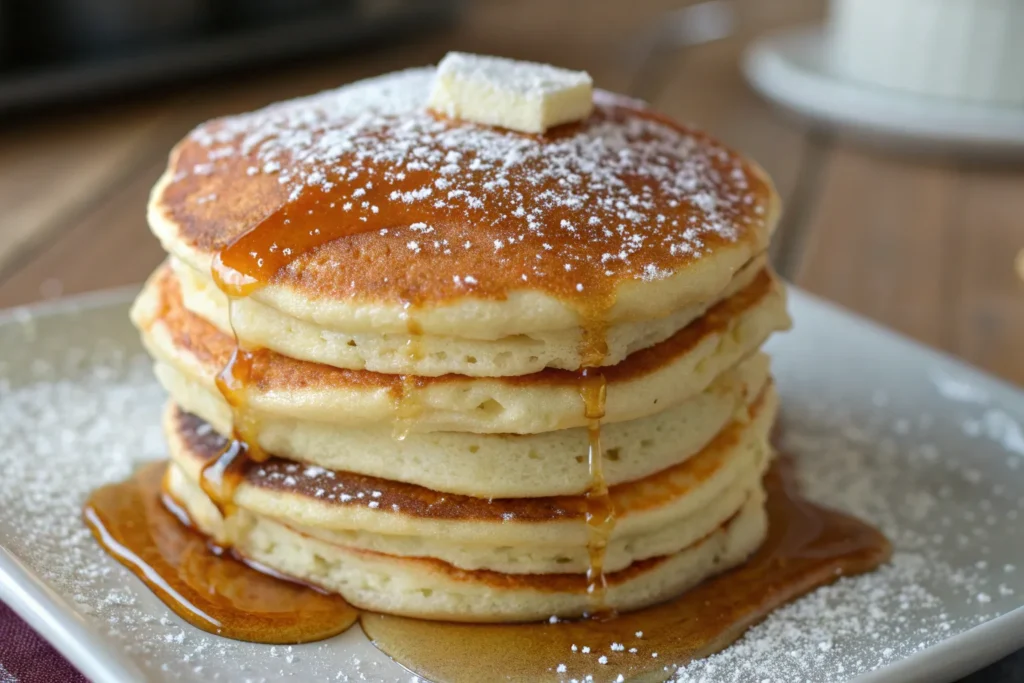
Old-Fashioned Pancakes are a timeless breakfast classic, loved for their simplicity, comforting flavor, and homemade charm. This is the kind of recipe passed down through generations, made with basic pantry staples and cooked slowly on a warm griddle until golden and fragrant. These pancakes aren’t fancy or complicated; they’re soft, tender, and gently sweet, evoking cozy mornings, family breakfasts, and the comforting aroma of butter and batter filling the kitchen.
Why You’ll Love This Recipe:
This recipe is dependable, straightforward, and consistently delicious. It doesn’t rely on trendy ingredients or special techniques, just honest, simple cooking that delivers satisfying results every time. Old-Fashioned Pancakes are easy to prepare, budget-friendly, and perfect for both beginners and experienced cooks. They’re versatile enough to enjoy plain with butter and syrup or dressed up with fruit, jam, or a dusting of powdered sugar.
Ingredients
- 3 tablespoons melted butter
- 1½ cups all-purpose flour
- 3½ teaspoons baking powder
- 1 tablespoon sugar
- ¼ teaspoon salt
- 1¼ cups milk
- 1 large egg
Instructions; How to Make Old-Fashioned Pancakes
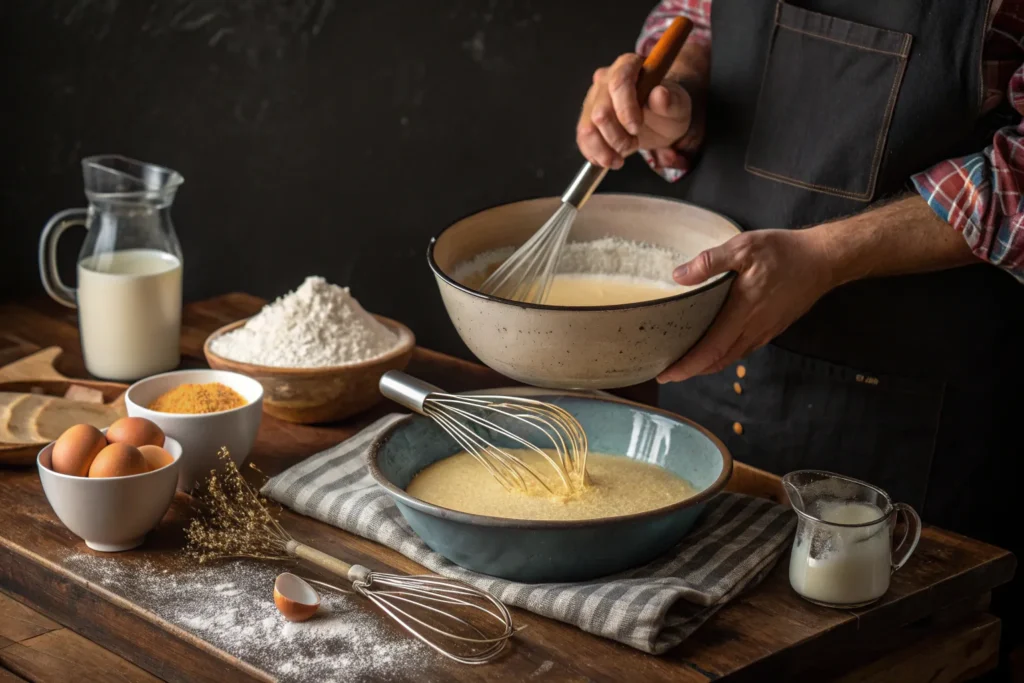
In a large bowl, whisk together flour, baking powder, sugar, and salt. In a separate bowl, mix milk, egg, and melted butter until combined. Pour the wet ingredients into the dry ingredients and gently mix just until combined, leaving small lumps.
Heat a non-stick skillet or griddle over medium heat and lightly grease it. Pour about ¼ cup of batter onto the hot surface for each pancake. Cook until bubbles form on the surface and edges appear set, then flip and cook the other side until golden brown.
Remove pancakes from the skillet and keep warm while cooking the remaining batter. Serve immediately with your favorite toppings.
Equipment Needed:
You’ll need a large mixing bowl, a whisk or fork for mixing, measuring cups and spoons, a non-stick skillet or cast-iron griddle, and a spatula for flipping. A ladle or measuring cup helps portion the batter evenly, ensuring consistent pancake size.
Texture & Flavor Profile:
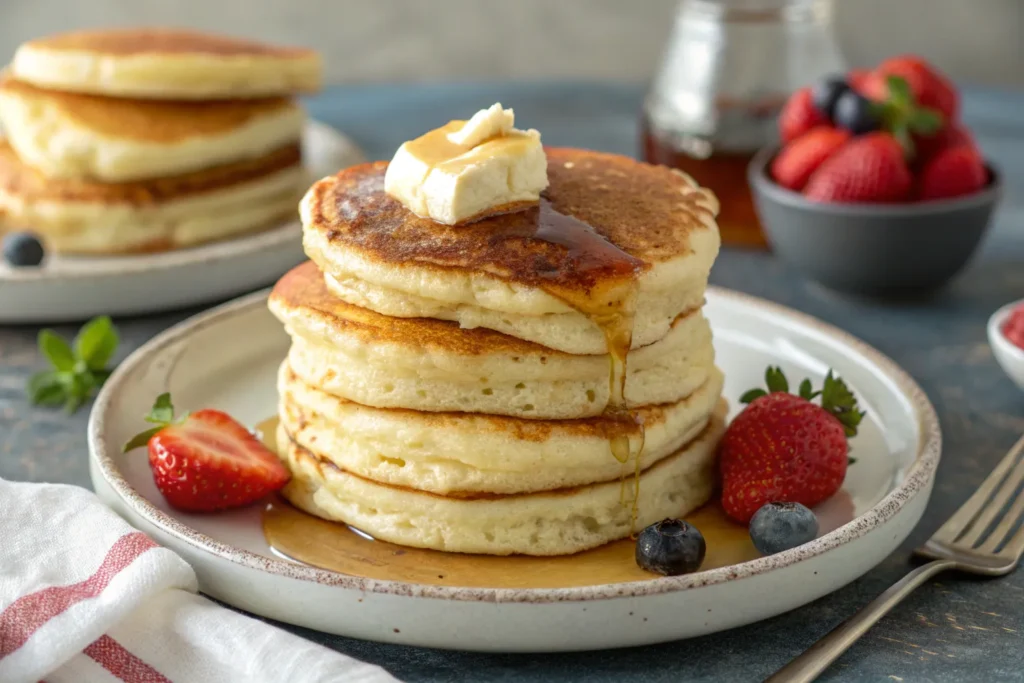
These pancakes are soft and fluffy with a tender interior and lightly crisp edges. The flavor is mild, buttery, and comforting, perfectly balanced so it complements classic toppings without being overly sweet. Each bite is warm, familiar, and satisfying.
Common Mistakes to Avoid:
Overmixing the batter can lead to tough, chewy pancakes, so stir just until combined. Cooking on heat that’s too high may burn the outside before the inside cooks through. Skipping proper pan preheating can also cause uneven browning and sticking.
Substitutions & Ingredient Swaps:
Milk can be replaced with plant-based alternatives like almond or oat milk. Butter can be swapped with neutral oil or melted coconut oil. For a heartier version, substitute part of the flour with whole wheat flour, keeping in mind the pancakes will be slightly denser.
Serving Size & Yield:
This recipe produces approximately 8 to 10 medium-sized pancakes, making it perfect for serving 3 to 4 people depending on portion size and appetite. The pancakes are filling without being heavy, and the yield works well for a family breakfast or relaxed weekend brunch.
Scaling The Recipe:
Old-Fashioned Pancakes are easy to scale up for larger gatherings or special occasions. Doubling the recipe delivers consistent results as long as the batter is mixed gently and cooked in batches. Avoid overmixing when scaling to ensure the pancakes remain light, fluffy, and evenly textured throughout.
Storage & Shelf Life:
Leftover pancakes can be stored conveniently for later enjoyment. Once fully cooled, place them in an airtight container and refrigerate for up to 3 days. When reheated gently, they retain their soft, tender texture and comforting flavor.
Freezing Instructions:
These pancakes freeze beautifully, making them an excellent make-ahead option. Allow them to cool completely, then arrange in a single layer to freeze until firm before transferring to a freezer-safe bag or container. Stored properly, they keep well for up to 2 months and can be reheated directly from frozen without sacrificing texture.
Pairing Suggestions:
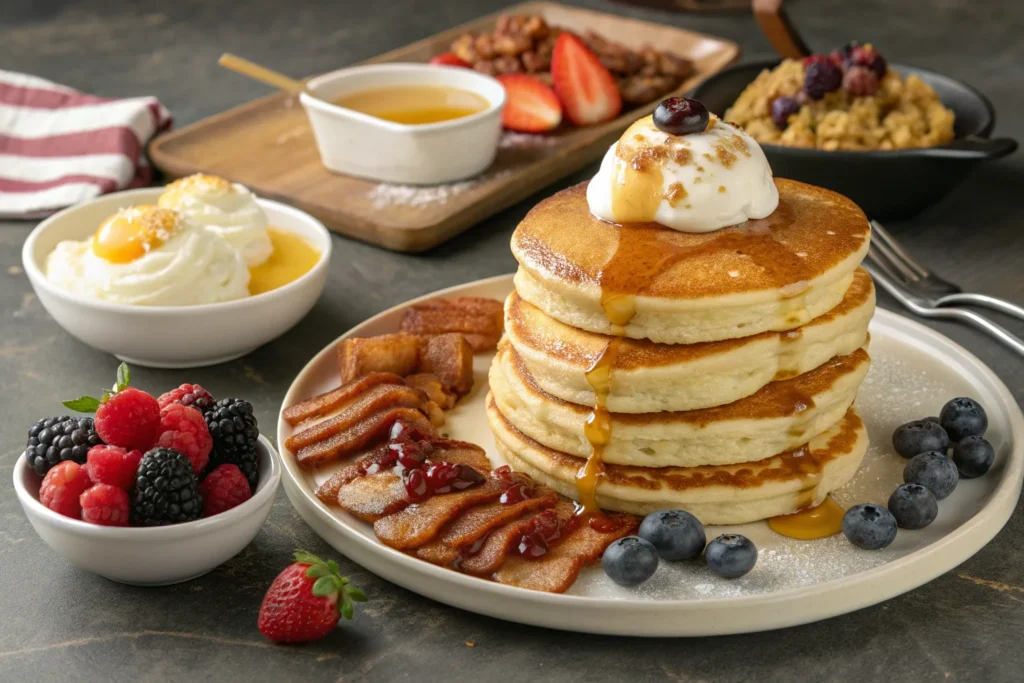
Old-Fashioned Pancakes pair wonderfully with classic toppings such as butter, warm maple syrup, honey, jam, or fresh seasonal fruit. For a traditional, hearty breakfast, serve them alongside scrambled eggs, crispy bacon, or savory sausage to create a balanced and satisfying meal.
Presentation & Styling Tips:
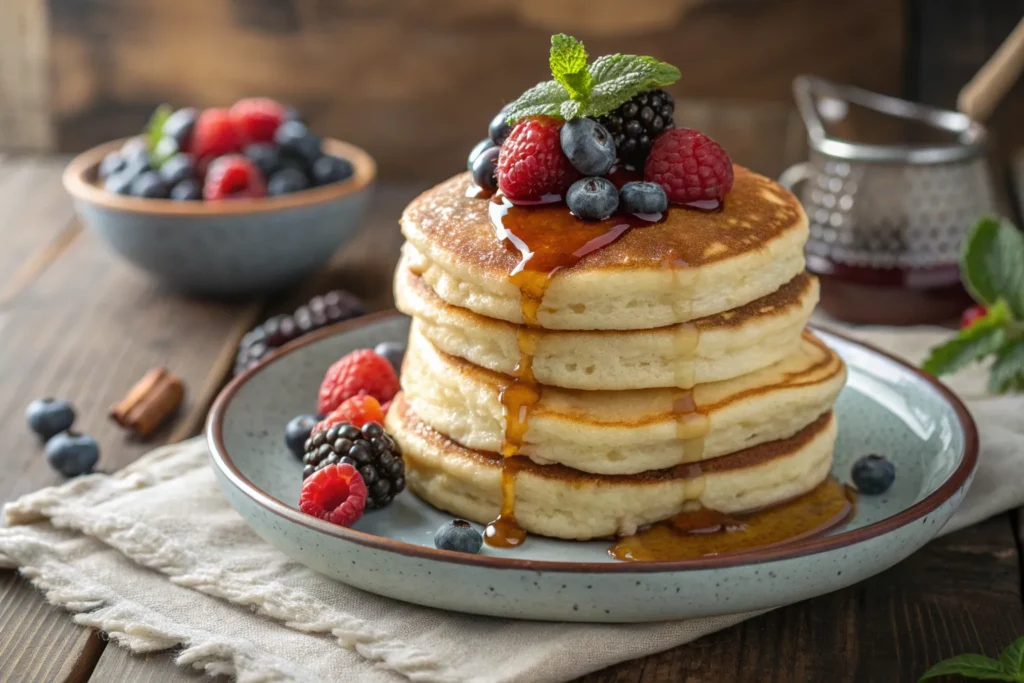
For a timeless presentation, stack the pancakes neatly on a plate and top with a small pat of butter that melts into the warm surface. Drizzle syrup gently over the stack and finish with fresh berries or a light dusting of powdered sugar for an inviting, nostalgic look.
Recipe Success Indicators:
Well-made Old-Fashioned Pancakes should cook to an even golden color on both sides and rise gently as they cook. When pressed lightly, they should feel soft and springy, with a fully cooked interior that is tender and moist, never dense or dry.
Dietary Information:
This recipe is naturally vegetarian and can be easily adapted to suit various dietary needs. Dairy-free versions can be made using plant-based milk and oil instead of butter, while whole-grain adaptations are possible by substituting a portion of the flour with whole wheat flour.
Conclusion
Old-Fashioned Pancakes are a reminder that the simplest recipes are often the most satisfying. Soft, warm, and comforting, they bring the joy of homemade breakfast to the table with minimal effort. Whether enjoyed plain or dressed up with toppings, these pancakes are a timeless favorite you’ll return to again and again.
Frequently Asked Questions(FAQs)
What makes Old-Fashioned Pancakes different from modern pancake recipes?
Old-Fashioned Pancakes rely on simple, traditional ingredients and straightforward techniques rather than specialty add-ins or shortcuts. The focus is on basic pantry staples, gentle mixing, and slow cooking to create a soft, comforting texture and classic flavor that feels homemade and nostalgic.
Why did my pancakes turn out flat?
Flat pancakes are usually caused by expired or insufficient baking powder, which is responsible for creating lift. Overmixing the batter can also deflate air pockets, preventing proper rise. To avoid this, check the freshness of your baking powder and stir the batter just until the ingredients are combined.
Can I make the batter in advance?
It’s best to cook pancake batter shortly after mixing, as the leavening begins working immediately. However, you can mix the dry ingredients ahead of time and store them in an airtight container. When ready to cook, simply add the wet ingredients and mix gently.
Why are my pancakes browning too quickly?
This usually means the pan is too hot. Pancakes cook best over medium or medium-low heat. If the surface browns too fast while the center remains uncooked, lower the heat and allow the pan to cool slightly before continuing.
How do I know when to flip the pancakes?
Pancakes are ready to flip when bubbles form across the surface and begin to pop, and the edges look set and slightly dry. Flipping at this stage ensures even cooking and a tender interior.
Why do my pancakes feel tough or chewy?
Tough pancakes are most often the result of overmixing or adding too much flour. Measure flour carefully using the spoon-and-level method and avoid stirring the batter excessively. Leaving a few small lumps in the batter is perfectly fine and helps maintain tenderness.
Can I add mix-ins like fruit or chocolate chips?
Yes, mix-ins work very well with this recipe. Gently fold them into the batter after mixing, or sprinkle them onto each pancake once the batter is poured onto the skillet. This prevents the batter from becoming heavy and ensures even distribution.
What is the best way to reheat pancakes?
For the best texture, reheat pancakes in a toaster or skillet to restore warmth and slight exterior crispness. The microwave works too, but covering the pancakes with a damp paper towel helps prevent them from drying out.
Can these pancakes be made dairy-free?
Absolutely. Replace milk with a plant-based alternative such as almond, oat, or soy milk, and use neutral oil or coconut oil instead of butter. These substitutions maintain the pancakes’ softness and flavor.
Printable Recipe Card
Want just the essential recipe details without scrolling through the article? Get our printable recipe card with just the ingredients and instructions.