
The Ultimate Guide to Cooking Black-Eyed Peas

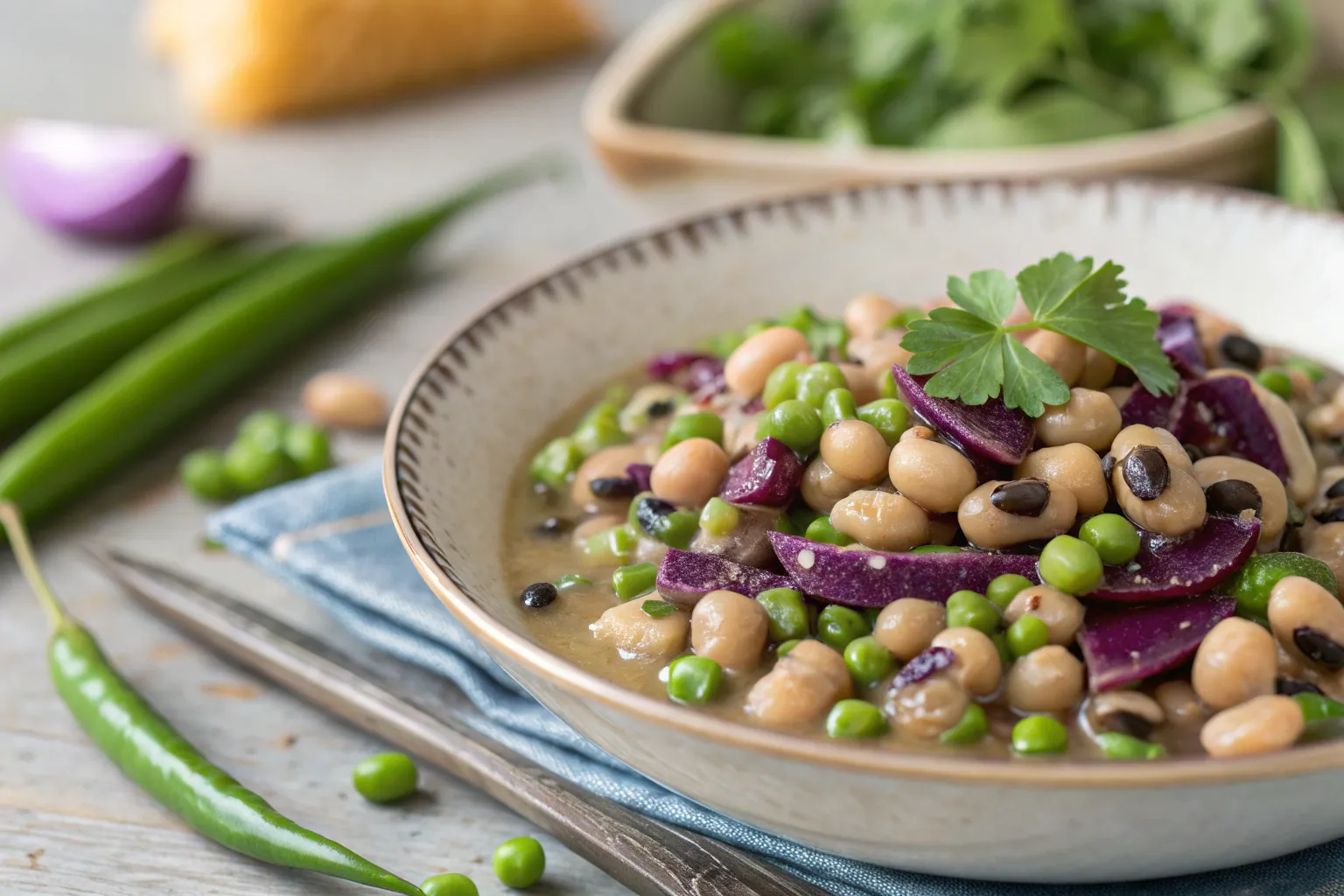
Black-eyed peas, also known as cowpeas, are more than just a humble legume, they are a nutritional powerhouse, a comfort food classic, and a symbol of good luck in many cultures. Whether you’re preparing them for a hearty Southern-style stew, a vibrant salad, or a simple side dish, black-eyed peas are incredibly versatile and easy to cook. In this article, we’ll explore everything you need to know to cook, flavor, and enjoy black-eyed peas, along with a delicious recipe to try at home.
What Are Black-Eyed Peas?
Black-eyed peas are small, creamy-white legumes with a distinctive black spot on one side. Despite their name, they are technically not peas but part of the bean family. They are a staple in Southern cuisine in the United States, particularly in dishes like Hoppin’ John—a New Year’s tradition said to bring prosperity. Globally, black-eyed peas are popular in African, Middle Eastern, and Indian cuisines, used in everything from curries to fritters.
Nutritional Benefits of Black-Eyed Peas
Black-eyed peas aren’t just tasty, they’re incredibly nutritious. One cup of cooked black-eyed peas provides:
- Protein: Around 13 grams, making them an excellent plant-based protein source.
- Fiber: Roughly 11 grams, which helps regulate digestion and stabilize blood sugar.
- Vitamins and Minerals: High in folate, iron, magnesium, and potassium.
- Low Fat: Less than 1 gram per cup, making them heart-healthy.
Incorporating black-eyed peas into your diet can support heart health, maintain energy levels, and even aid in weight management due to their high fiber content.
Choosing and Preparing Black-Eyed Peas
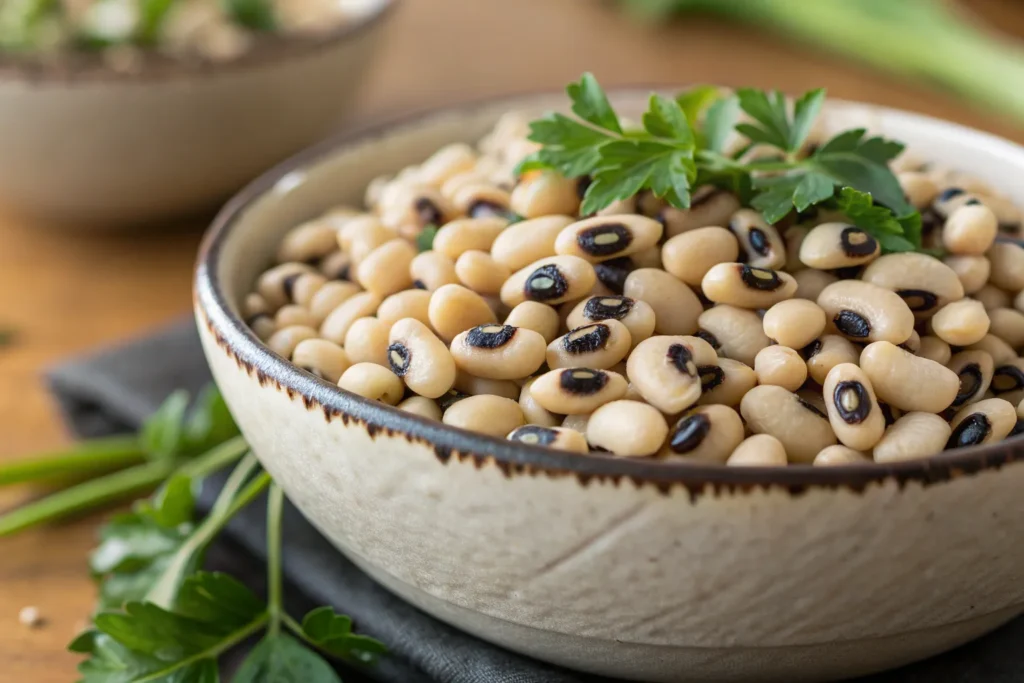
When buying black-eyed peas, you can choose between dried or canned varieties. Each has its pros:
- Dried black-eyed peas: Offer a richer flavor and texture when cooked from scratch. They require soaking, which reduces cooking time and helps with digestion.
- Canned black-eyed peas: Convenient and ready to use, but rinse them to remove excess sodium.
Preparing Dried Black-Eyed Peas
- Rinse thoroughly: Remove any debris or damaged beans.
- Soak overnight (optional but recommended): Soaking helps soften the peas and reduces cooking time. For a quicker method, use the quick-soak method: boil for 5 minutes, then let sit for an hour.
- Cook: Simmer in water or broth until tender, about 45 minutes to 1 hour.
Flavoring Black-Eyed Peas
The beauty of black-eyed peas lies in their ability to absorb flavors. Here are some tips for making them irresistible:
- Aromatics: Onion, garlic, and celery are classic choices.
- Herbs and spices: Bay leaves, thyme, paprika, and cayenne pepper work well.
- Umami boosters: Smoked meats like ham hock or bacon add depth, but they can also be made vegan with mushrooms or smoked paprika.
- Acidic notes: A splash of vinegar or a squeeze of lemon can brighten the dish just before serving.
Black-Eyed Pea Recipes to Try
While black-eyed peas can be served simply as a side, they shine in creative dishes. Here’s a versatile recipe that works as a main or a hearty side:
Southern-Style Black-Eyed Peas with Greens
Ingredients:
- 1 cup dried black-eyed peas (or 2 cans, drained and rinsed)
- 4 cups vegetable or chicken broth
- 1 small onion, diced
- 2 cloves garlic, minced
- 1 smoked ham hock or 4 slices of bacon (optional)
- 1 teaspoon paprika
- ½ teaspoon cayenne pepper
- Salt and pepper to taste
- 2 cups chopped collard greens (or kale or spinach)
- 1 tablespoon apple cider vinegar
Instructions:
- Cook the peas: If using dried peas, soak them overnight. Simmer in broth until tender, about 45 minutes.
- Sauté aromatics: In a separate pot, cook onion and garlic in a bit of oil until fragrant. Add bacon or ham if using, and sauté until lightly browned.
- Combine: Add cooked peas to the sautéed aromatics along with paprika, cayenne, salt, and pepper. Simmer for 10 minutes.
- Add greens: Stir in chopped greens and cook until wilted, about 5 minutes.
- Finish with vinegar: Remove from heat and stir in apple cider vinegar for a bright, tangy finish.
- Serve: Pair with rice, cornbread, or enjoy on its own as a hearty meal.

Tips for Cooking Black-Eyed Peas Perfectly Every Time
- Don’t overcook: Black-eyed peas can become mushy if boiled too long. Cook until just tender.
- Season gradually: Add salt at the end to prevent toughening the skins.
- Freeze leftovers: Cooked black-eyed peas freeze beautifully for up to 3 months.
Fun Facts About Black-Eyed Peas
- Eating black-eyed peas on New Year’s Day is believed to bring prosperity in the Southern United States.
- They are used in traditional West African dishes like akara (bean fritters) and moi moi (steamed bean pudding).
- Black-eyed peas were a staple food for Native Americans and early settlers, praised for their long shelf life and nutritional value.
Conclusion
Black-eyed peas are far more than a simple side dish, they are a versatile, nutritious ingredient that can elevate any meal. From creamy stews to fresh salads, their mild flavor absorbs spices beautifully, making them ideal for both traditional and modern recipes. Whether you’re making a pot for a holiday tradition or trying them for the first time, black-eyed peas are a delicious way to nourish your body and delight your taste buds.
Frequently Asked Questions(FAQs)
What are black-eyed peas?
Black-eyed peas are small, creamy-white legumes with a characteristic black spot on one side. They are part of the bean family and are widely used in Southern U.S., African, Middle Eastern, and Indian cuisines.
Are black-eyed peas good for you?
Yes! They are packed with protein, fiber, vitamins like folate, and minerals such as iron and potassium. They are low in fat and can support heart health, digestion, and stable blood sugar levels.
Do black-eyed peas need to be soaked before cooking?
Soaking dried black-eyed peas is recommended as it reduces cooking time and improves digestibility. You can soak them overnight or use a quick-soak method by boiling for 5 minutes and letting them sit for an hour.
How long does it take to cook black-eyed peas?
Dried black-eyed peas usually take 45 minutes to 1 hour to become tender when simmered. Canned black-eyed peas are already cooked and only need a few minutes to heat and absorb flavors.
Can black-eyed peas be cooked without meat?
Absolutely! Black-eyed peas can be made vegetarian or vegan by skipping meat and adding flavor with smoked paprika, mushrooms, garlic, onions, and fresh herbs.
How should I store cooked black-eyed peas?
Cooked black-eyed peas can be stored in an airtight container in the refrigerator for up to 5 days. They also freeze well for up to 3 months, making them convenient for meal prep.
Why do people eat black-eyed peas on New Year’s Day?
In the Southern United States, eating black-eyed peas on New Year’s Day is a tradition believed to bring good luck, prosperity, and financial success in the coming year.
Can I use canned black-eyed peas instead of dried?
Yes! Canned black-eyed peas are convenient and ready to use. Rinse them well to remove excess sodium and adjust seasonings accordingly since canned peas are often softer than freshly cooked dried peas.
What are some common dishes made with black-eyed peas?
Popular dishes include Southern-style Hoppin’ John, black-eyed pea salads, stews, soups, fritters, and curries. They are versatile and can be used in both main courses and side dishes.
Do black-eyed peas need special seasoning?
Black-eyed peas absorb flavors very well. While basic seasoning with salt, pepper, garlic, and onion works, adding herbs, spices, smoked meats, or acidic ingredients like vinegar can elevate the taste significantly.
Printable Recipe Card
Want just the essential recipe details without scrolling through the article? Get our printable recipe card with just the ingredients and instructions.