
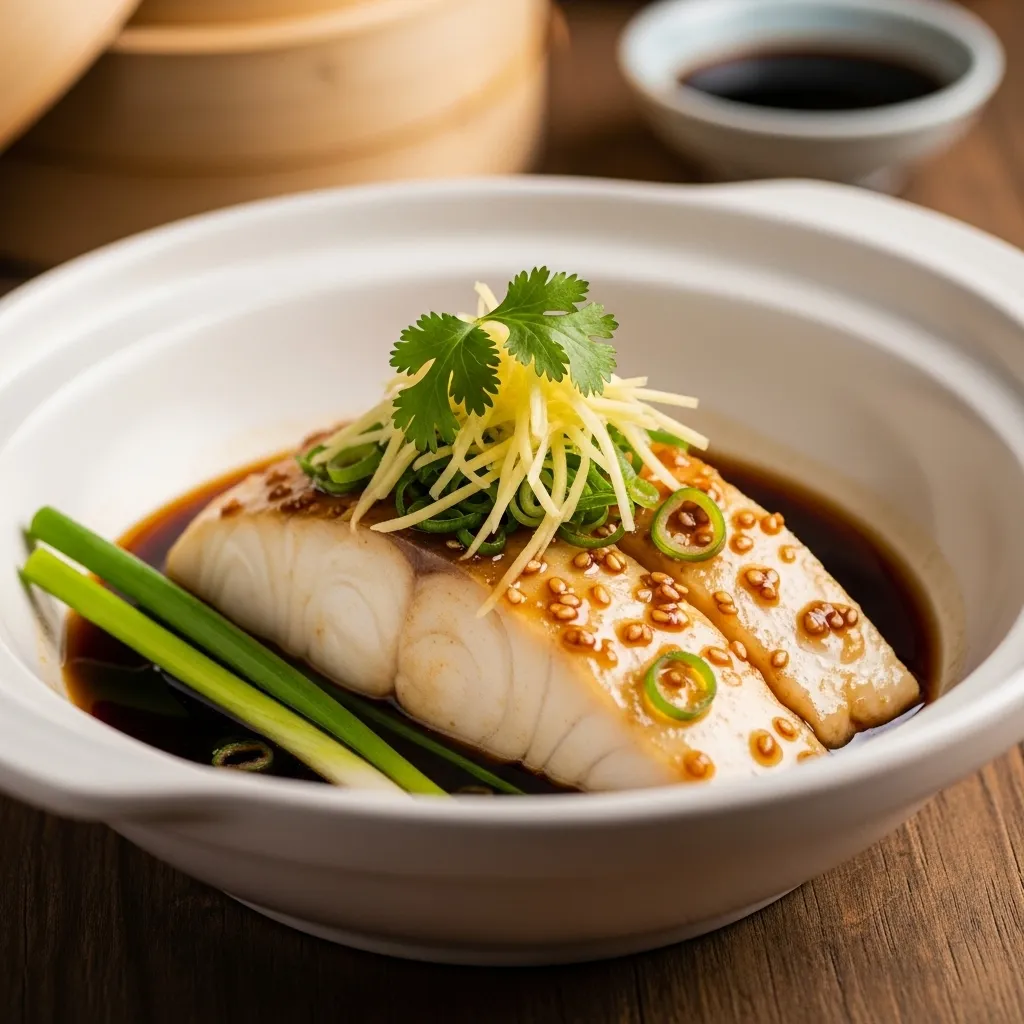
Steamed Halibut with Ginger and Soy Sauce
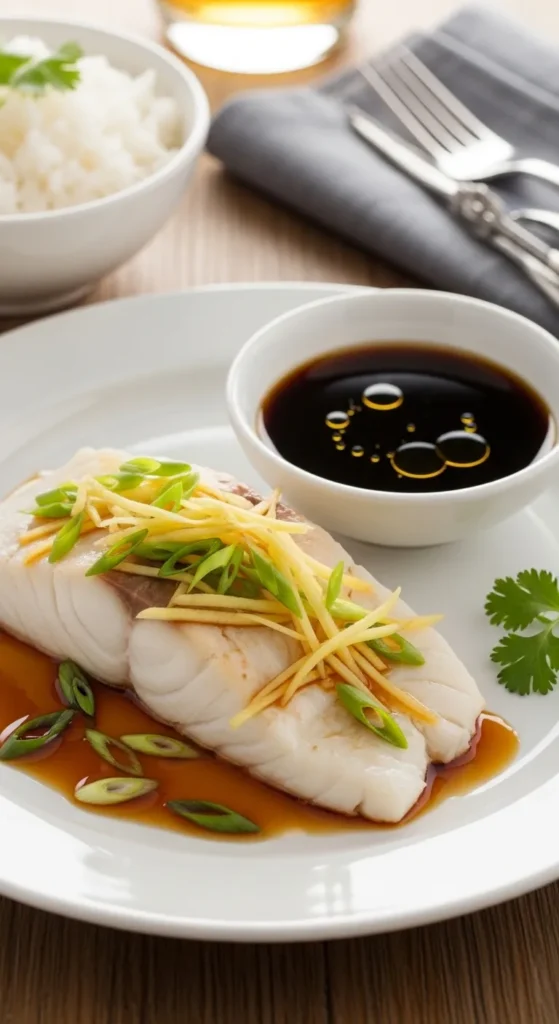
So you want something fancy-ish but also don’t want to babysit a pan for 30 minutes? I see you. You want that “I totally have my life together” dinner without actually working that hard. Enter: steamed halibut with ginger and soy sauce. It’s light, fresh, smells amazing, and somehow makes you feel like you’re dining seaside even if you’re standing in your kitchen wearing pajamas.
And the best part? The stove does most of the work. You just stand there looking competent.
Why This Recipe Is Awesome
First of all, it’s ridiculously easy. Like, “I barely tried but look what I made” easy. If you can slice ginger and pour soy sauce, you’re qualified.
Second, it’s healthy without screaming, “I’m on a diet!” Steaming keeps the halibut tender and flaky while the ginger and soy bring bold flavor without drowning it in heavy sauces. Clean, simple, satisfying.
Also? It’s fast. We’re talking dinner-on-the-table-in-about-20-minutes fast. Perfect for weeknights when your energy level is somewhere between “meh” and “please order takeout.”
And let’s not ignore the elegance factor. Steamed fish sounds very “chef-y.” But IMO, it’s one of the least complicated ways to cook seafood.
Ingredients You’ll Need
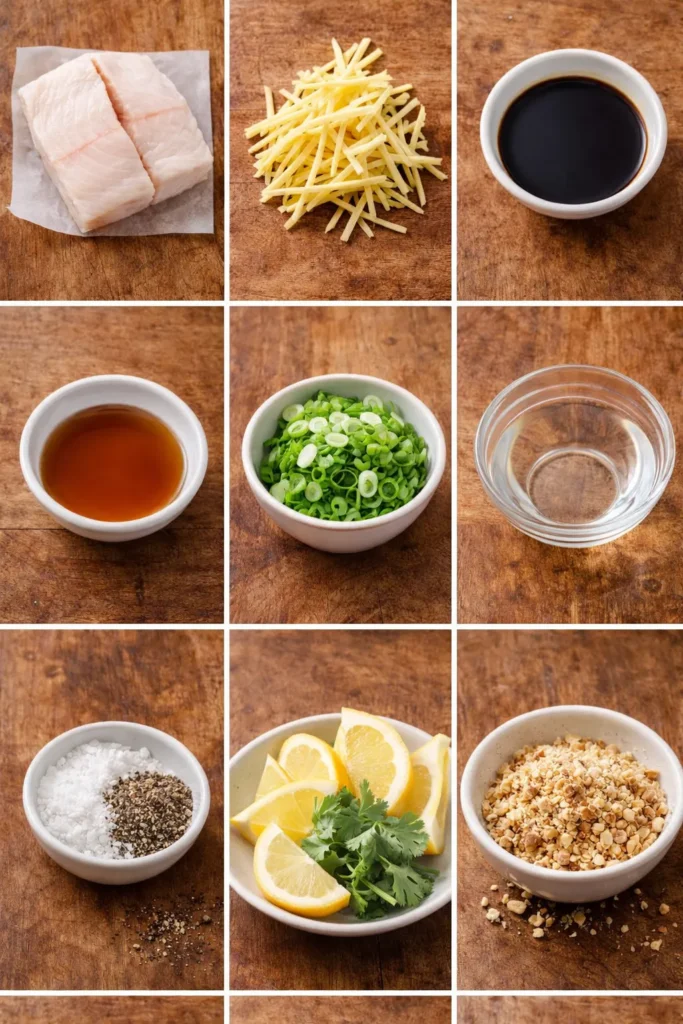
Keep it simple. This recipe is all about letting the fish shine.
- 2 halibut fillets (about 6 oz each) – Fresh is best. Frozen works too, just thaw properly.
- 1–2 tablespoons fresh ginger, julienned – The spicy little superstar.
- 2–3 tablespoons soy sauce – Salty, savory magic.
- 1 tablespoon sesame oil – Adds that nutty aroma that makes people say, “Ooooh.”
- 2 green onions, sliced – For crunch and color.
- 1 tablespoon rice vinegar (optional) – For a tiny tangy kick.
- Fresh cilantro (optional) – If you’re Team Cilantro.
- Salt & black pepper – Just a pinch; soy sauce does most of the heavy lifting.
- Lemon wedges – Because citrus fixes everything.
That’s it. No complicated marinades. No weird ingredients you’ll use once and forget in the back of the fridge.
Step-by-Step Instructions
1. Prep Like You Mean It
Pat the halibut dry with paper towels. Dry fish steams better than soggy fish. Season lightly with salt and pepper. Don’t overdo it—remember, soy sauce is salty.
2. Set Up Your Steamer
Fill a pot with about an inch of water and bring it to a gentle simmer. Place a steaming rack or heatproof plate inside. No fancy steamer? A metal colander works. We improvise here.
3. Dress the Fish
Place the fillets on a heatproof plate. Scatter the julienned ginger evenly over the top. Drizzle soy sauce and rice vinegar over the fish. Keep it even so every bite tastes good.
4. Steam It
Carefully place the plate into the steamer. Cover and steam for about 8–10 minutes, depending on thickness. The fish should flake easily with a fork and look opaque.
Don’t overcook it. Halibut goes from tender to “why is this rubber?” real fast.
5. Add the Finishing Touch
While the fish steams, heat the sesame oil in a small pan just until warm (not smoking). Once the fish is done, sprinkle green onions on top and drizzle the warm sesame oil over everything. The sizzle is your reward.
6. Serve Immediately
Add fresh cilantro if using and squeeze a little lemon over the top. Serve with rice, steamed veggies, or both. Boom. Dinner is done.
Common Mistakes to Avoid
Overcooking the fish. This is the big one. You’re steaming, not dehydrating. Once it flakes easily, it’s done.
Using too much soy sauce. Yes, we love flavor. But we don’t need to turn it into a salt lick.
Skipping the ginger. It’s literally in the title. Ginger balances the richness of the fish and adds brightness.
Not drying the fish first. Wet fish = watery plate. No thanks.
Peeking too often while steaming. Every time you lift the lid, you let heat escape. Be patient.
Alternatives & Substitutions
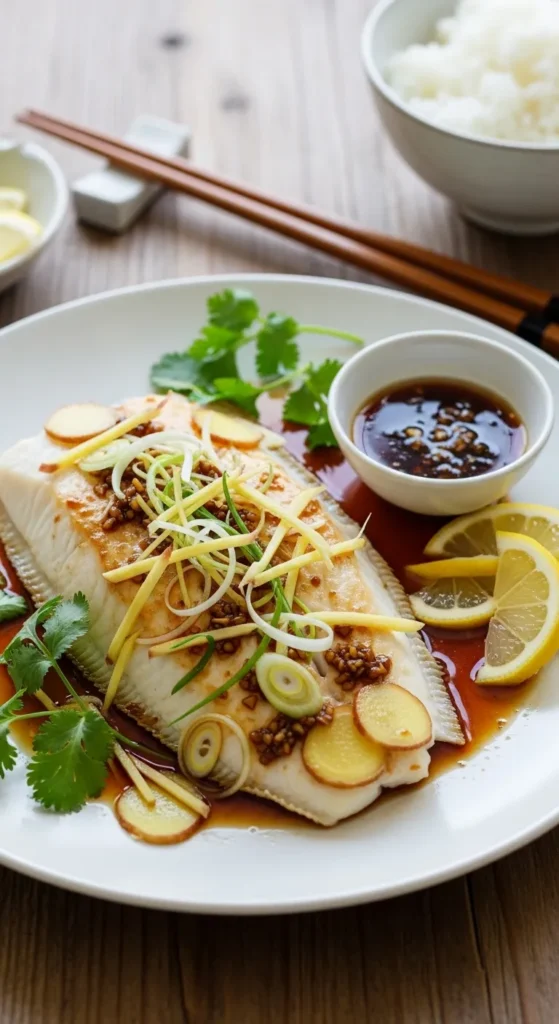
No halibut? No drama.
- Use cod or sea bass instead. Both steam beautifully.
- Can’t find fresh ginger? Ground ginger works in a pinch, but use less. Fresh is better.
- Soy sauce too strong for you? Try low-sodium soy or even tamari.
- Want heat? Add sliced red chili or a drizzle of chili oil.
- No sesame oil? It adds depth, but the dish survives without it. Still, I highly recommend it.
If you’re avoiding soy entirely, try coconut aminos. Slightly sweeter, but still delicious.
And if you’re thinking about adding garlic? Do it. I won’t stop you.
FAQ (Frequently Asked Questions)
1. Can I bake the halibut instead of steaming it?
Yes, absolutely. Bake at 400°F (200°C) for about 10–12 minutes. But steaming keeps it extra moist. Why miss out?
2. How do I know when the fish is done?
It should flake easily with a fork and look opaque. If it resists flaking, give it another minute. If it feels like rubber… well, next time you’ll pull it earlier.
3. Can I make this ahead of time?
You can, but it’s best fresh. Steamed fish waits for no one. Reheat gently to avoid drying it out.
4. What should I serve it with?
Steamed jasmine rice is classic. Add bok choy or snap peas for crunch. Or just keep it simple. The fish is the star.
5. Is this recipe healthy?
Yep. It’s high in protein, low in heavy fats, and packed with flavor. Clean eating without the sad salad vibes.
6. Can I use frozen halibut?
Of course. Just thaw it fully and pat it dry. Drying is non-negotiable.
7. What if I don’t have a steamer?
Use a large pot with a lid and a heatproof plate elevated on a rack or even crumpled foil. We adapt. We overcome.
Final Thoughts
Steamed halibut with ginger and soy sauce is one of those dishes that looks impressive but barely makes you sweat. It’s light yet satisfying, simple yet elegant. And honestly? It’s a nice reminder that good food doesn’t need to be complicated.
Next time you’re tempted to overthink dinner, remember this recipe. Fresh fish. Bold ginger. Savory soy. Ten minutes of steam. Done.
Now go impress someone or just yourself with your new culinary skills. You’ve officially leveled up.
Printable Recipe Card
Want just the essential recipe details without scrolling through the article? Get our printable recipe card with just the ingredients and instructions.