
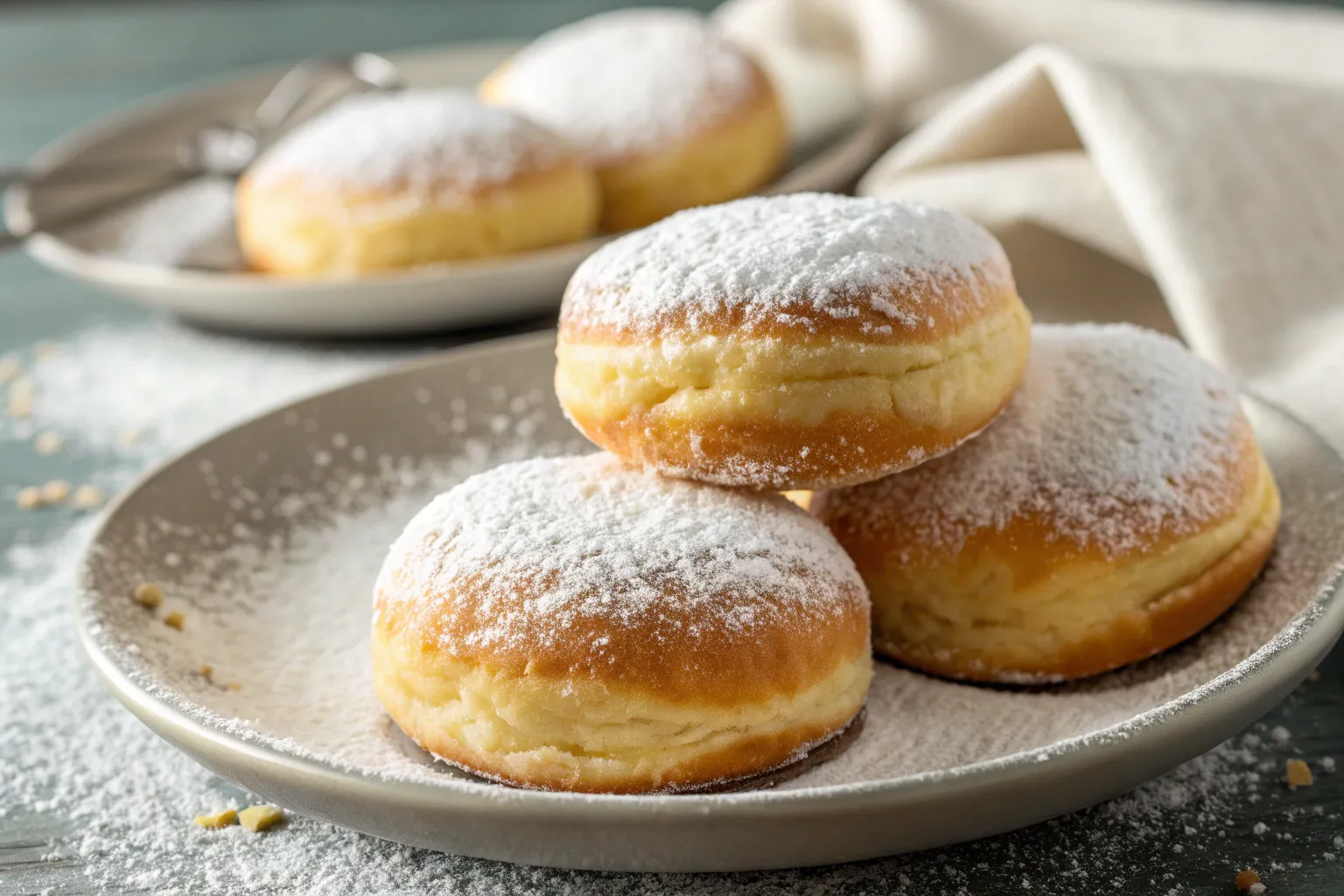
Make Amazing Vanilla French Beignets for Breakfast
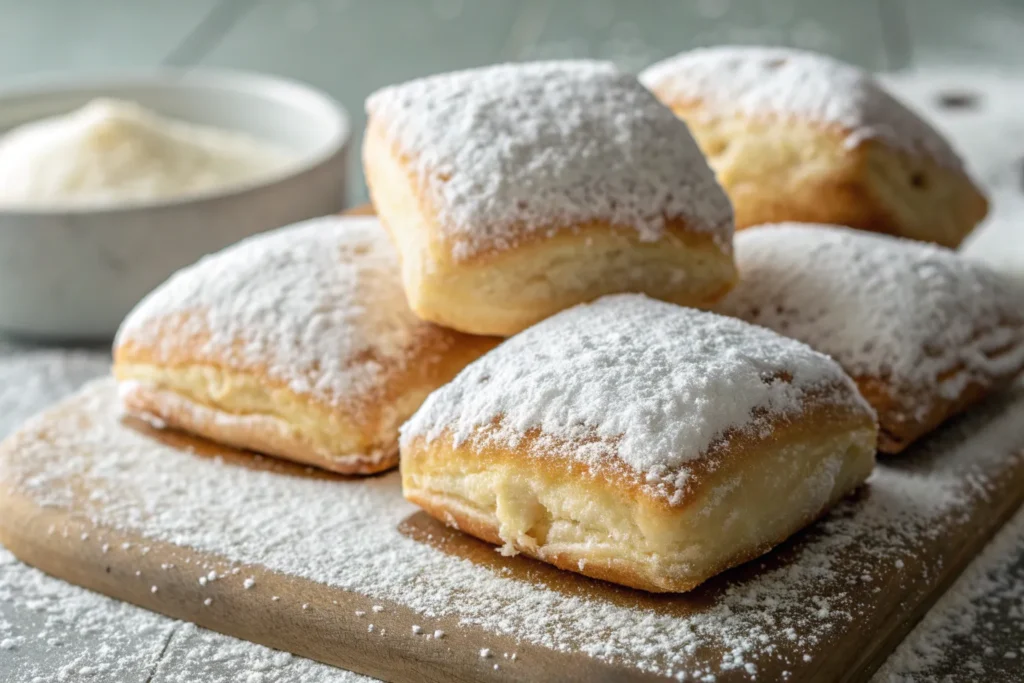
Vanilla French beignets are light, fluffy, and melt-in-your-mouth pastries perfect for a luxurious breakfast or brunch. These golden, deep-fried delights are dusted generously with powdered sugar, creating a sweet and comforting treat that pairs beautifully with a cup of coffee or hot chocolate. Their delicate vanilla flavor elevates the classic beignet, making each bite fragrant, soft, and irresistibly indulgent.
Why You’ll Love This Recipe
This recipe produces beignets that are airy on the inside and crisp on the outside, with a hint of warm vanilla that enhances the sweetness without overpowering it. Unlike store-bought versions, homemade beignets are freshly fried, soft, and tender, with the perfect balance of texture and flavor. They are ideal for leisurely weekend breakfasts, festive mornings, or any time you want to treat yourself and your family to something special.
Nutritional Info
French beignets are a delightful indulgence, offering carbohydrates from the flour and sugar, along with some protein from eggs and milk. While they are a rich breakfast treat, serving them with fresh fruit or a lightly sweetened beverage can help balance the meal. Using real vanilla extract adds a natural depth of flavor without extra sugar.
Time Taken
Preparing the dough and allowing it to rise takes about 1 to 1.5 hours, while frying and finishing the beignets requires an additional 20-30 minutes. Though slightly time-intensive, the result is worth every minute.
Ingredients
- 2 ¼ teaspoons active dry yeast
- ¾ cup warm water (about 110°F)
- ¼ cup granulated sugar
- 1/2 teaspoon salt
- 1 large egg
- 2 tablespoons unsalted butter, melted
- 1 teaspoon pure vanilla extract
- 1 ½ cups all-purpose flour, plus more for dusting
- Vegetable oil for frying
- Powdered sugar for dusting
Instructions
In a small bowl, dissolve the yeast in warm water with a pinch of sugar and let it sit for 5-10 minutes until frothy. In a large bowl, combine the remaining sugar, salt, egg, melted butter, and vanilla extract. Add the yeast mixture and gradually incorporate the flour until a soft dough forms. Knead the dough for 5-7 minutes until smooth and elastic, then cover and let it rise for 1 hour or until doubled in size. Roll out the dough on a floured surface to about ½-inch thickness and cut into squares or rectangles. Heat vegetable oil in a deep pan to 350°F and fry the dough pieces in batches until golden brown, flipping once. Drain on paper towels, then generously dust with powdered sugar while still warm. Serve immediately for the best taste and texture.
You Must Know
Maintaining the correct oil temperature is key to achieving perfectly puffed, golden beignets. Too hot, and they brown too quickly; too cool, and they absorb excess oil and become greasy. Always roll the dough evenly to ensure uniform cooking.
Storage Tips
Beignets are best enjoyed fresh, but you can store them in an airtight container at room temperature for up to a day. Reheat briefly in a warm oven to refresh the texture. Avoid refrigerating, as this can make them dense and chewy.
Ingredient Substitutions
- Use almond extract in place of vanilla for a subtle nutty flavor.
- For a lighter option, substitute half of the all-purpose flour with whole wheat pastry flour.
- You can fry in coconut oil or sunflower oil as an alternative to vegetable oil.
Serving Suggestions
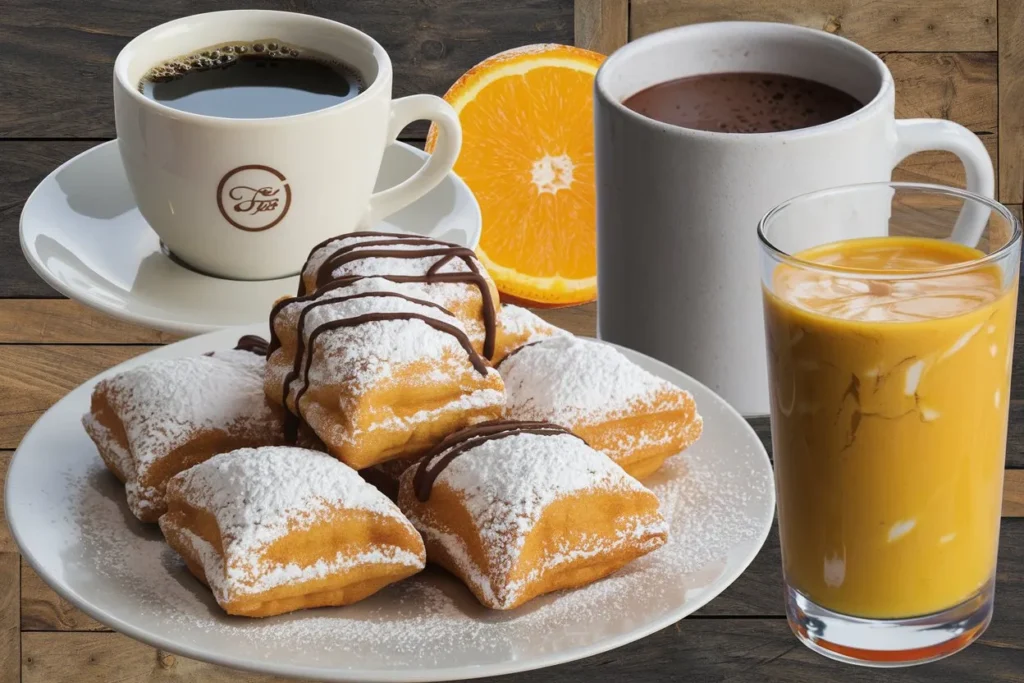
Serve vanilla French beignets warm with powdered sugar, drizzled chocolate, or a side of fresh fruit. Pair them with coffee, hot chocolate, or a freshly squeezed orange juice to create a delightful breakfast spread.
Cultural and Historical Context
Beignets originated in France and were brought to New Orleans by French settlers, becoming a beloved part of Creole cuisine. Traditionally served with a generous dusting of powdered sugar, these pastries have become synonymous with indulgent breakfasts and festive occasions in French and Southern-American culture.
Seasonal Adaptations
Add seasonal flavors like orange zest in spring, cinnamon or nutmeg in autumn, or a touch of pumpkin puree for a holiday twist. Fresh berries or fruit compotes can also enhance the beignets during summer months.
Success Stories
Home bakers often praise this recipe for producing light, airy, and authentic-tasting beignets. Many note that the vanilla addition elevates the flavor, making them a favorite for family breakfasts and brunch gatherings.
Freezer Meal Conversion
While beignets are best served fresh, you can freeze un-fried dough squares. When ready to enjoy, thaw slightly and fry as directed. They can also be frozen after frying but will require a brief reheat in a warm oven.
Pro Tips
- Ensure your yeast is active by checking for froth before mixing into the dough.
- Roll dough evenly for consistent cooking and puffiness.
- Fry in small batches to maintain oil temperature.
- Dust generously with powdered sugar while warm for best adhesion and sweetness.
Chef’s Special Tips
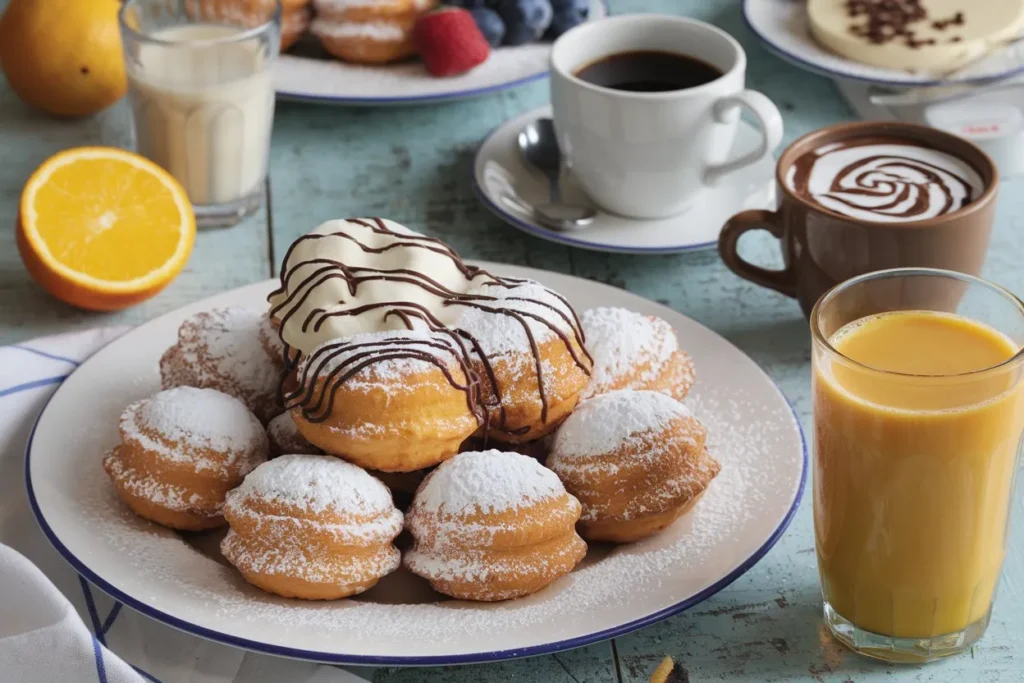
- For extra fluffiness, fold the dough gently before the final rise.
- Serve with a drizzle of honey or chocolate sauce for an indulgent treat.
- Sprinkle a pinch of sea salt on top of the powdered sugar to enhance flavor.
Conclusion
Vanilla French beignets are a show-stopping breakfast treat that combines soft, airy dough with the sweetness of powdered sugar and the warmth of vanilla. Perfect for special mornings or weekend indulgence, this recipe is simple enough to make at home yet impressive enough to delight anyone. Try making these beignets for your next breakfast or brunch and savor the delicious, melt-in-your-mouth goodness.
FAQs
Can I make the dough ahead of time?
Yes, you can prepare the dough and refrigerate it after the first rise. Let it come to room temperature before rolling and frying.
Can I use instant yeast instead of active dry yeast?
Yes, reduce the amount slightly (about 2 teaspoons) and mix it directly with the dry ingredients.
What type of oil is best for frying?
Vegetable oil, canola oil, or sunflower oil are ideal because they have a neutral flavor and high smoke point.
How do I keep beignets light and airy?
Ensure the dough is kneaded properly and allowed to rise fully. Fry at the correct temperature (around 350°F) for even puffing.
Can I make them gluten-free?
You can use a gluten-free all-purpose flour blend, but the texture may be slightly denser than traditional beignets.
How do I prevent them from absorbing too much oil?
Fry in small batches to maintain oil temperature, and drain on paper towels immediately after frying.
Can I add other flavors?
Yes, add orange zest, cinnamon, or a touch of almond extract to the dough for variation.
How should I store leftover beignets?
Store in an airtight container at room temperature for up to 24 hours. Reheat briefly in a warm oven before serving.
Can I freeze beignets?
You can freeze the un-fried dough or the fried beignets. For fried, reheat in a warm oven rather than a microwave to maintain texture.
What should I serve with vanilla French beignets?
Pair them with coffee, hot chocolate, fresh fruit, or a fruit compote for a complete and indulgent breakfast experience.
Printable Recipe Card
Want just the essential recipe details without scrolling through the article? Get our printable recipe card with just the ingredients and instructions.