
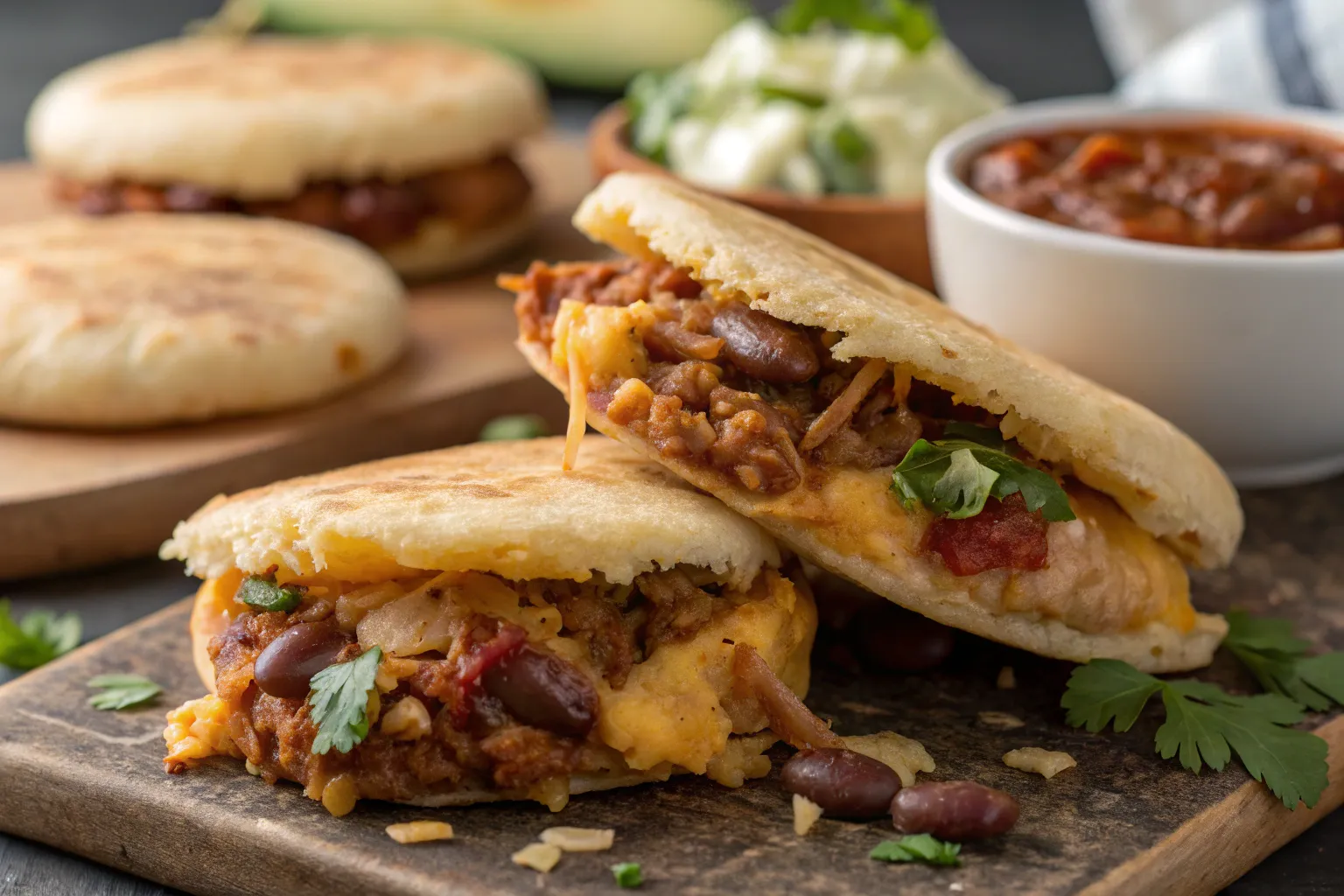
Irresistible Mexican Gorditas Recipe
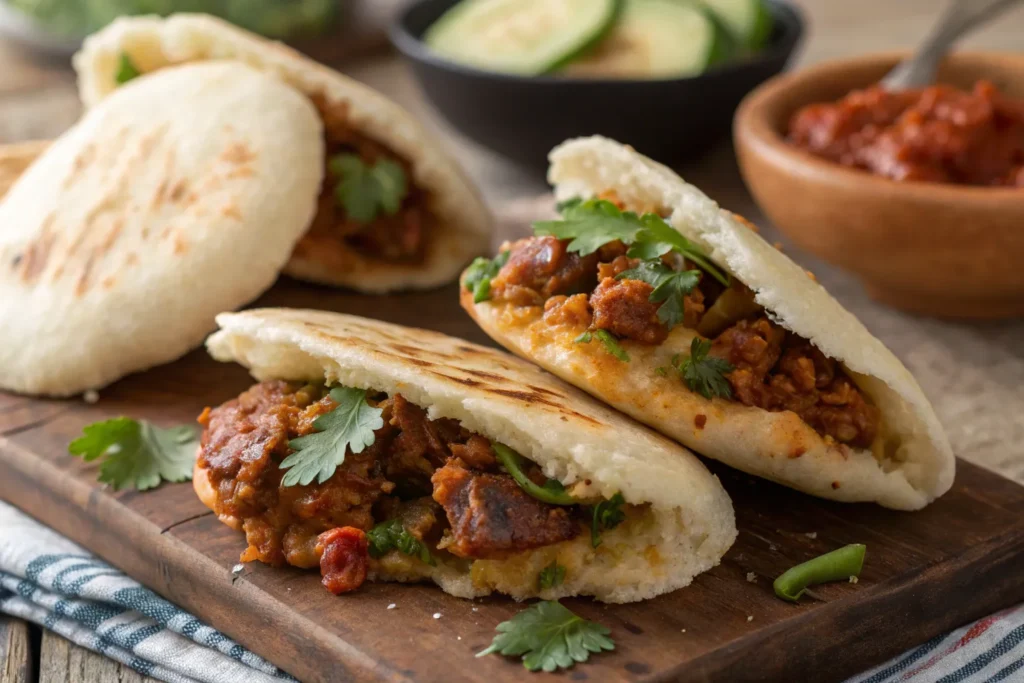
Mexican Gorditas are one of the most comforting and customizable foods you can make at home. These soft, thick corn pockets are lightly crisp on the outside and tender on the inside, ready to be filled with your favorite meats, beans, veggies, or cheese. Whether you enjoy them as a snack, a quick lunch, or a full dinner, gorditas bring the warm, homemade flavors of traditional Mexican cooking to your table.
Why You’ll Love This Recipe
Gorditas are incredibly easy to prepare, even for beginners. They require only a few pantry ingredients and cook quickly on a griddle or skillet. What makes them irresistible is how adaptable they are. You can fill them with spicy shredded chicken, fresh pico de gallo, creamy beans, sautéed vegetables, or melted cheese. They are budget-friendly, satisfying, and perfect for meal prep.
Ingredients
- Masa harina
- Warm water
- Salt
- Oil for cooking
- Optional fillings: shredded chicken, beans, guacamole, cheese, salsa, grilled vegetables
Instructions
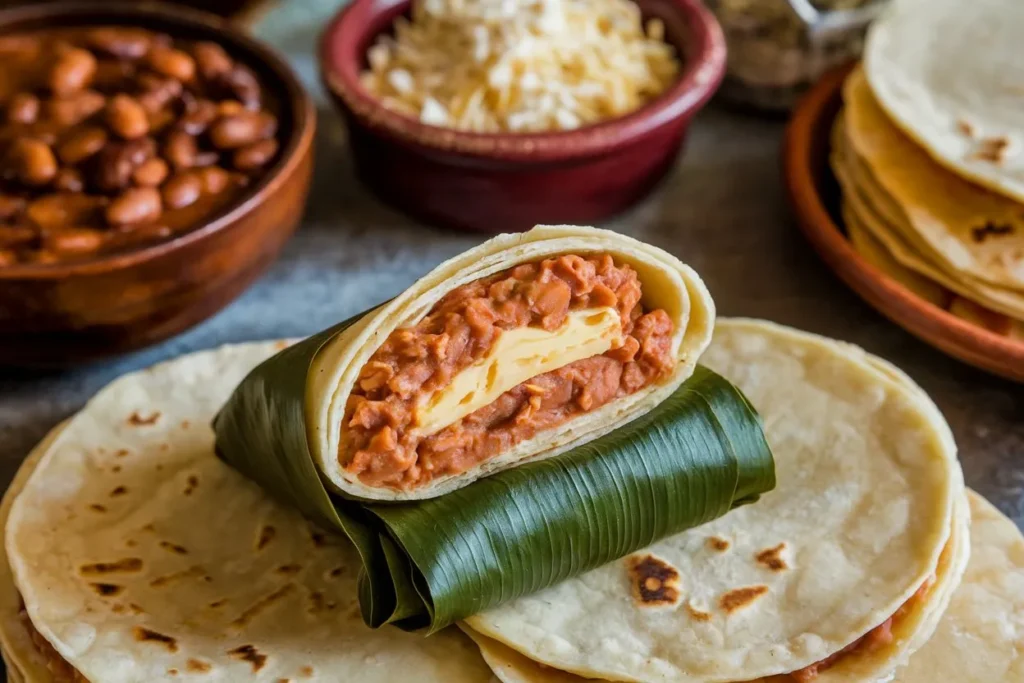
- In a bowl, mix masa harina and salt. Slowly add warm water until a soft, pliable dough forms.
- Divide the dough into small balls and flatten each into a thick disc.
- Heat a skillet and cook each disc until golden and lightly crisp on both sides.
- Once cooked, carefully slice each gordita halfway to create a pocket.
- Stuff with your favorite fillings and serve warm.
You Must Know
The key to perfect gorditas is the dough texture. It should feel soft but not sticky, similar to play-dough. If the dough cracks, add a little more water. If it sticks to your hands, add a pinch of masa harina. Also, allow the gorditas to rest for a minute before cutting them so they do not break apart.
Storage Tips
Store leftover gorditas in an airtight container in the refrigerator for up to three days. Reheat them on a skillet to bring back their soft, warm texture. You can also freeze cooked gorditas for up to one month. Thaw them briefly and warm them before filling.
Ingredient Substitutions
- Use whole-wheat flour and a bit of cornmeal if masa harina is not available, although the texture will differ.
- Replace oil with butter for a richer flavor.
- Choose plant-based fillings such as refried beans and sautéed peppers for vegetarian versions.
Serving Suggestions
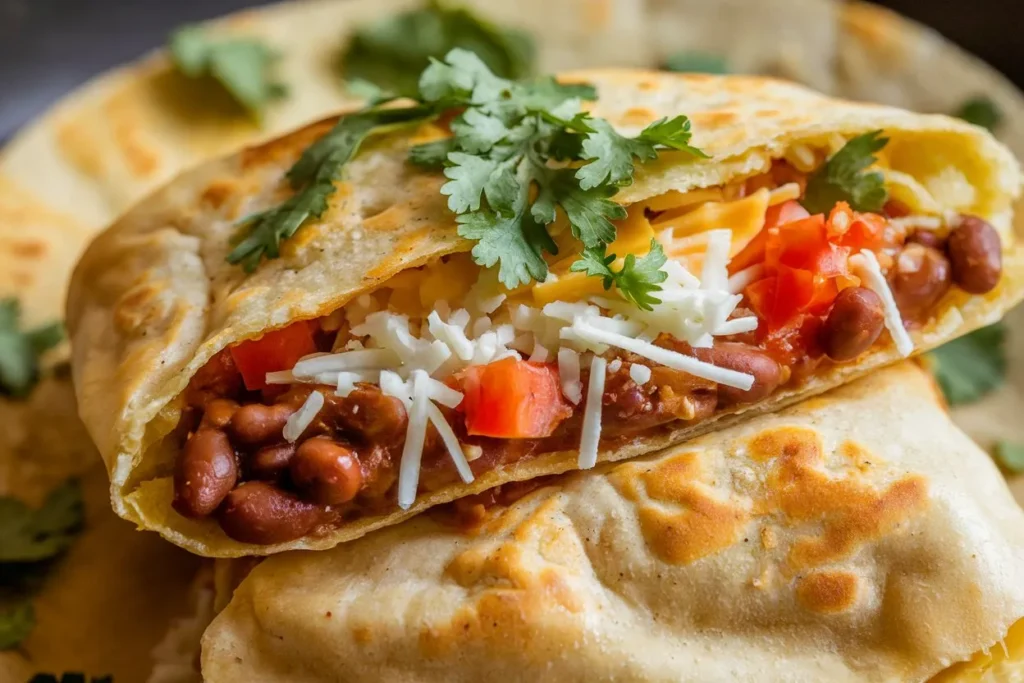
Serve gorditas with salsa verde, hot sauce, fresh cilantro, chopped onions, grilled meats, or creamy cheese. They pair well with soups, stews, and salads for a complete meal.
Cultural and Historical Context
Gorditas are deeply rooted in Mexican street food traditions, especially in central and northern regions. Originally made using stone-ground corn, they were eaten as a portable, nutritious snack. Over time, their fillings and variations expanded, making them a beloved dish enjoyed across the country.
Seasonal Adaptations
In summer, fill gorditas with fresh veggies, salsa, and lime. During colder months, use warm fillings like slow-cooked beef, roasted peppers, or spiced beans. Their neutral base makes them ideal for seasonal creativity.
Success Stories
Many home cooks love making gorditas because they offer endless customization. Families enjoy preparing them for gatherings, while beginners find them surprisingly simple to master. Once you make them at home, they quickly become a repeat favorite.
Freezer Meal Conversion
Cook the gorditas, cool completely, and freeze them in layers with parchment between each one. When ready to serve, reheat directly from frozen on a warm skillet, fill, and enjoy. This makes them excellent for quick weeknight meals.
Pro Tips
- Let the dough rest for 5 minutes before shaping for easier handling.
- Cook on medium heat to avoid burning the outside before the center cooks.
- Cover cooked gorditas with a towel to keep them soft until ready to fill.
Chef’s Special Tips
Moisten your hands lightly when forming the discs for a smoother surface. For a more authentic flavor, add a teaspoon of lard or butter to the dough. Lightly pressing them after flipping helps ensure even cooking and the perfect pocket.
Conclusion
Mexican Gorditas bring warmth, flavor, and endless creativity to your kitchen. They are simple to make, incredibly versatile, and perfect for any occasion. Try this irresistible recipe today and fill your gorditas with the flavors you love most. If you want more easy, authentic recipes, explore the next dish on your list and keep cooking with confidence.
FAQs
1. What is the difference between gorditas and tortillas?
Gorditas are thicker and softer than tortillas. They are cooked until slightly crisp, then split to create a pocket for fillings, whereas tortillas stay flat and are used for wrapping or folding.
2. Can I make gorditas without masa harina?
Masa harina is traditional and gives the best texture. If unavailable, you can use a mix of whole-wheat flour and cornmeal, but the result will not taste fully authentic.
3. Why do my gorditas crack when forming the dough?
Cracking means the dough is too dry. Add a small amount of warm water and knead until the dough becomes soft and smooth.
4. Can gorditas be baked instead of cooked on a skillet?
Yes. Bake at 375°F (190°C) for about 10–12 minutes, flipping halfway. However, skillet-cooking gives a better traditional texture.
5. What fillings work best for gorditas?
Popular options include shredded chicken, refried beans, queso fresco, ground beef, chorizo, guacamole, sautéed vegetables, and fresh salsas.
6. How do I keep gorditas from falling apart when cutting the pocket?
Let them rest for a minute after cooking. Cutting while too hot can cause tearing. Use a gentle sawing motion to open the pocket.
7. Can I make the dough ahead of time?
Yes. Prepare the dough and refrigerate it in a covered bowl for up to 24 hours. Bring to room temperature before shaping.
8. How do I reheat leftover gorditas?
Warm them on a dry skillet for a few minutes until soft and heated through. Avoid microwaving as it can make them rubbery.
Printable Recipe Card
Want just the essential recipe details without scrolling through the article? Get our printable recipe card with just the ingredients and instructions.