
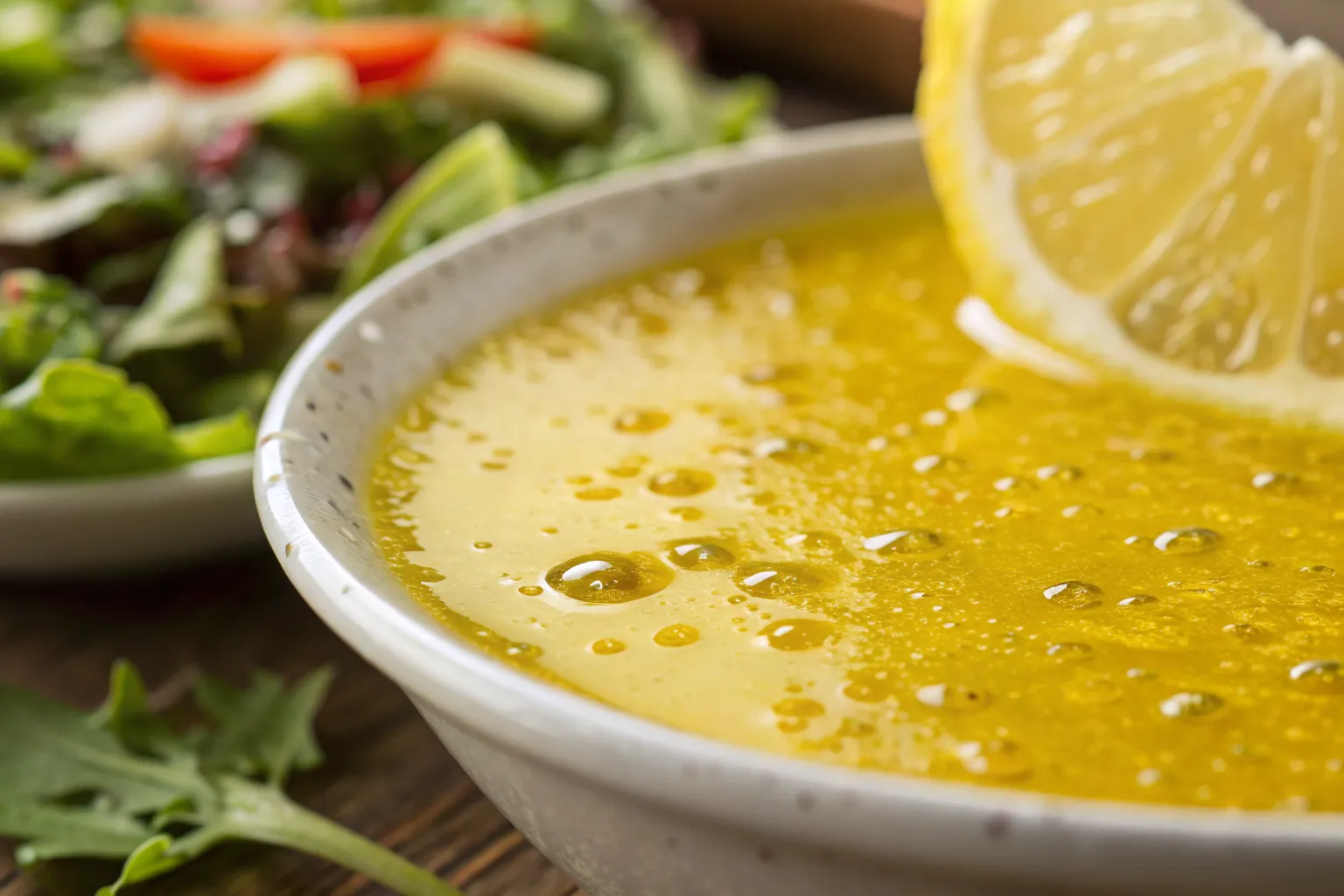
Fresh and Zesty Lemon Vinaigrette Dressing
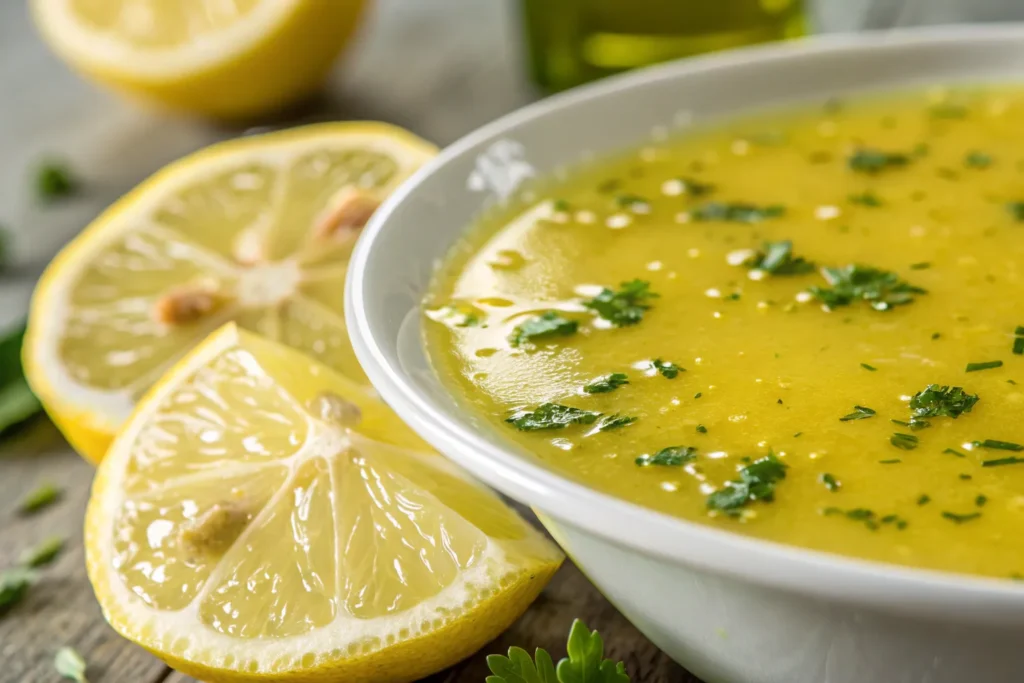
A lemon vinaigrette is one of the simplest yet most versatile dressings you can make at home. Bursting with bright, tangy lemon flavor and a hint of sweetness, it’s perfect for salads, roasted vegetables, seafood, or as a marinade for chicken or fish. This homemade recipe is quick, easy, and far more flavorful than store-bought versions. Whether you’re tossing a fresh garden salad, drizzling it over quinoa bowls, or adding a final touch to grilled vegetables, this lemon vinaigrette delivers freshness, balance, and lightness in every bite.
Why You’ll Love This Lemon Vinaigrette
This simple vinaigrette is light, zesty, and refreshing, elevating any salad or dish without overpowering it.
- Quick and easy: Ready in under 5 minutes with basic pantry ingredients.
- Bright and tangy: Lemon juice provides a refreshing acidity.
- Versatile: Works on salads, grain bowls, roasted vegetables, and protein dishes.
- Healthy: Made with olive oil and natural ingredients, no preservatives.
- Customizable: Adjust sweetness, acidity, or herbs to your taste.
Ingredients Overview
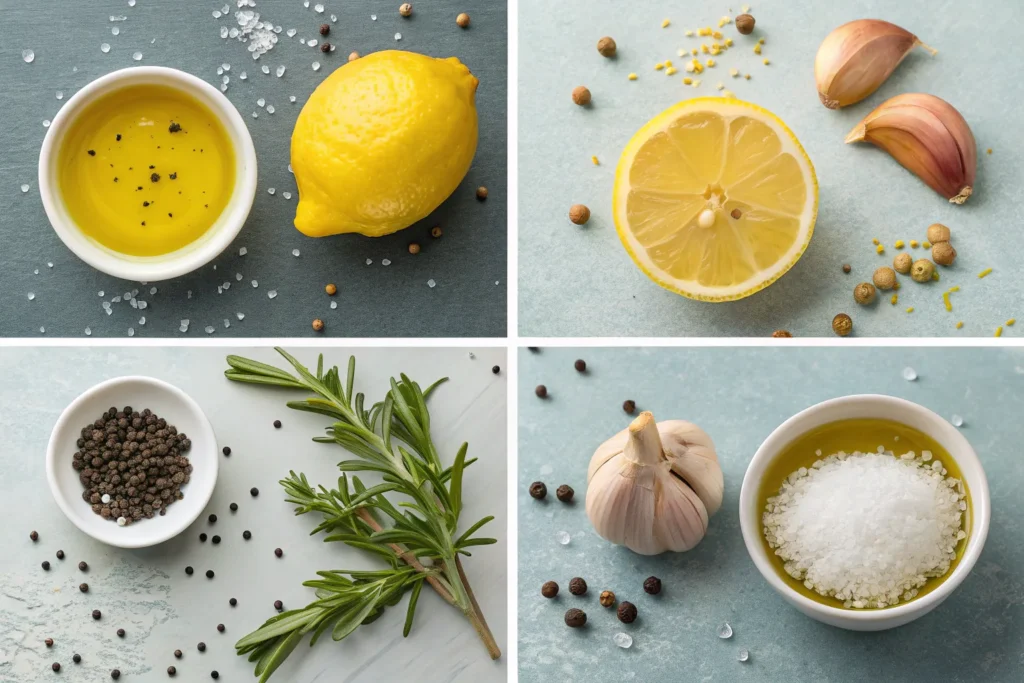
Core Ingredients
- Fresh lemon juice (1/4 cup / 60 ml): Provides bright, tangy flavor. Use freshly squeezed for best results.
- Olive oil (1/2 cup / 120 ml): Adds richness and smoothness. Extra-virgin is recommended for flavor.
- Dijon mustard (1 tsp): Helps emulsify the dressing and adds a subtle tang.
- Honey or maple syrup (1 tsp): Balances acidity with a touch of sweetness.
- Garlic (1 clove, minced, optional): Adds depth and aroma.
- Salt and black pepper (to taste): Essential for balancing flavors.
Step-by-Step Instructions
Step 1: Juice the Lemons
Squeeze fresh lemons until you have 1/4 cup of juice. Strain if you want a smoother dressing without pulp.
Step 2: Combine Ingredients
In a small bowl or jar, combine lemon juice, Dijon mustard, honey, and minced garlic (if using).
Step 3: Emulsify
Slowly whisk in the olive oil until the mixture is smooth and emulsified. If using a jar, you can shake vigorously to combine.
Step 4: Season
Add salt and black pepper to taste. Start with 1/4 tsp salt and a pinch of pepper, then adjust according to your preference.
Step 5: Taste and Adjust
Taste your dressing and adjust the flavors: add more honey for sweetness, more lemon juice for acidity, or more olive oil for richness.
Step 6: Serve
Drizzle over salads, roasted vegetables, quinoa bowls, or grilled chicken. Store leftovers in the refrigerator in an airtight container for up to 1 week. Shake or whisk before serving, as natural separation may occur.
Flavor and Texture
This lemon vinaigrette is refreshing and light, complementing both delicate greens and hearty vegetables alike.
- Texture: Smooth and slightly thick, but pourable.
- Flavor: Bright, tangy, with a subtle sweetness and richness from olive oil.
- Balance: Acid from lemon juice, fat from olive oil, sweetness from honey, and a hint of umami from mustard.
Tips for the Perfect Lemon Vinaigrette
- Use fresh lemon juice: Bottled lemon juice lacks brightness and can taste bitter.
- Emulsification: Whisk slowly while adding olive oil to create a smooth, creamy consistency.
- Adjust acidity: If too tart, add more olive oil or a touch of honey; if too mild, add more lemon juice.
- Storage: Keep refrigerated in a jar or airtight container. Shake before use as separation may occur.
- Garlic note: For a milder garlic flavor, roast the garlic beforehand or reduce the amount.
Variations and Customizations
Herb Lemon Vinaigrette: Add 1–2 tsp of chopped fresh herbs like parsley, basil, tarragon, or chives for a fresh herbal note.
Spicy Lemon Vinaigrette: Add a pinch of red pepper flakes or a dash of cayenne for heat.
Creamy Lemon Vinaigrette: Add 1–2 tbsp of Greek yogurt or mayonnaise for a creamier version, perfect for grain bowls or chicken salads.
Maple Lemon Vinaigrette: Replace honey with maple syrup for a slightly deeper sweetness.
Shallot Lemon Vinaigrette: Add 1 tsp minced shallot for a more savory, aromatic flavor.
Make-Ahead and Storage
- Refrigeration: Store in an airtight container in the fridge for up to 1 week.
- Separation: Olive oil naturally separates from lemon juice; shake or whisk before use.
- Batch prep: Make a larger batch for meal prep; the dressing keeps well and adds freshness to multiple meals.
Serving Suggestions
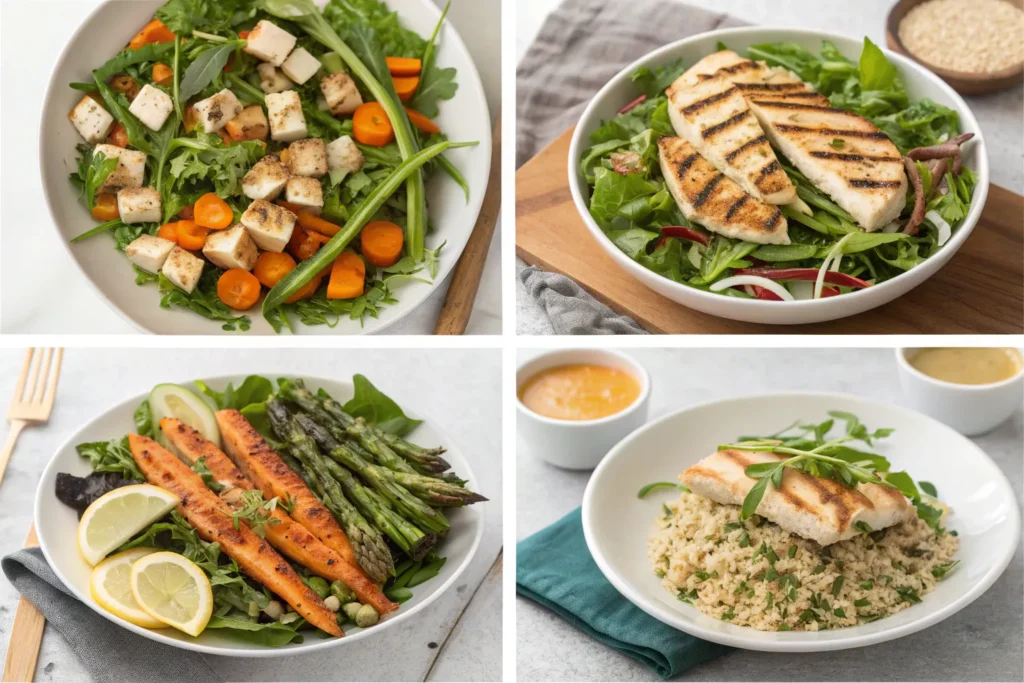
- Toss with mixed greens or arugula for a refreshing salad.
- Drizzle over roasted vegetables such as carrots, zucchini, or asparagus.
- Use as a marinade for grilled chicken, fish, or tofu.
- Add to grain bowls with quinoa, rice, or farro for extra brightness.
- Use as a dipping sauce for bread or roasted potatoes.
Conclusion
This Lemon Vinaigrette Dressing is fresh, tangy, and versatile, perfect for salads, roasted vegetables, grilled proteins, and more. With only 6 simple ingredients, lemon juice, olive oil, Dijon mustard, honey, garlic, salt, and pepper, you can create a bright and flavorful dressing in minutes. Easy to customize with herbs, spices, or creamy elements, this vinaigrette is a kitchen essential for adding brightness, balance, and freshness to everyday meals. Once you make your own, you’ll never want store-bought dressing again.
Frequently Asked Questions
Can I make lemon vinaigrette without mustard?
Yes! Mustard helps emulsify, but you can omit it. The dressing may separate slightly, so shake or whisk before serving.
Can I use bottled lemon juice?
Yes, but fresh lemon juice provides a brighter, fresher flavor. Bottled juice may taste slightly bitter or flat.
How long does it last in the fridge?
Up to 1 week in an airtight container. Shake before use as olive oil may separate.
Can I make it sweeter or more tangy?
Yes! Adjust honey or lemon juice to taste. Start small and gradually add more to balance the flavors.
Can I add herbs or spices?
Absolutely! Fresh herbs, garlic, shallots, or red pepper flakes can all enhance flavor.
Is this healthy?
Yes! Made with olive oil and fresh ingredients, it’s a heart-healthy, low-calorie dressing option.
Can I use other oils instead of olive oil?
Yes, mild-flavored oils like avocado oil or grapeseed oil work well, though olive oil adds the best flavor.
Can I make a creamy version?
Yes! Blend in 1–2 tablespoons of Greek yogurt or mayonnaise for a creamy variation.
Printable Recipe Card
Want just the essential recipe details without scrolling through the article? Get our printable recipe card with just the ingredients and instructions.