
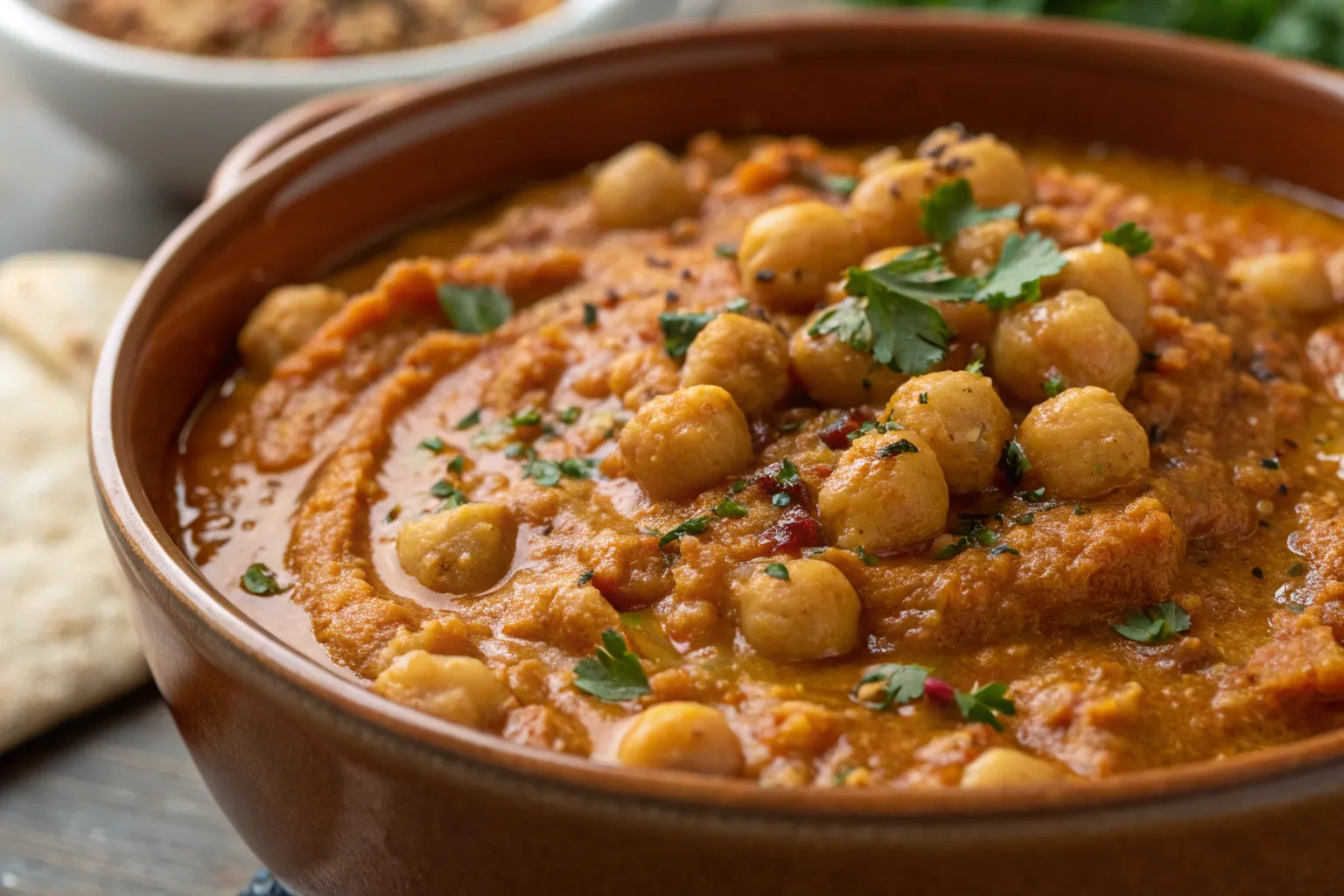
Ethiopian Shiro Wat – Traditional Chickpea Stew

Ethiopian cuisine is famous for its rich, aromatic stews and unique flavor profiles, and Shiro Wat is a classic example. This hearty, protein-packed stew is made primarily from chickpea or broad bean flour, simmered with spices, onions, garlic, and berbere, the signature Ethiopian spice blend. Shiro Wat is naturally vegetarian and vegan, making it a staple in Ethiopian households, especially during fasting periods. Its smooth, creamy texture and bold, earthy flavors make it a comfort food that’s perfect served with injera, the traditional Ethiopian flatbread.
Why You’ll Love Shiro Wat
- Vegetarian & Vegan: Naturally plant-based and protein-rich.
- Simple Ingredients: Easily made with pantry staples like chickpea flour, onions, garlic, and spices.
- Comforting: Thick, creamy texture with warming spices.
- Versatile: Serve as a main dish with injera, rice, or bread.
- Authentic Ethiopian Flavor: Uses berbere spice, garlic, and onions for a deep, aromatic taste.
Ingredients Overview
For the Stew
- Chickpea flour or shiro powder (1 cup): The main ingredient; gives the stew its creamy, rich texture.
- Water or vegetable broth (3–4 cups): Used to cook the flour into a smooth stew.
- Onion (1 medium, finely chopped): Adds sweetness and depth.
- Garlic (2–3 cloves, minced): Adds warmth and aroma.
- Berbere spice (2 tbsp or to taste): The heart of Ethiopian flavor; a mix of chili, paprika, coriander, fenugreek, and other spices.
- Tomato paste (1–2 tbsp, optional): Adds richness and color.
- Niter kibbeh (Ethiopian spiced butter, 2 tbsp, optional): Traditional ingredient for added depth and aroma. Can substitute with olive oil or vegan butter.
- Salt and pepper: Adjust to taste.
Garnishes (Optional)
- Finely chopped fresh parsley or cilantro
- Hard-boiled eggs (traditional in some regions)
How to Make Ethiopian Shiro Wat
Step 1: Sauté the Aromatics
In a medium saucepan, heat niter kibbeh (or olive oil) over medium heat. Add onions and cook until soft and translucent. Stir in garlic and cook for another minute until fragrant.
Step 2: Add Spices and Tomato
Stir in berbere spice and tomato paste (if using). Cook for 1–2 minutes to bloom the spices, releasing their aroma.
Step 3: Make the Stew Base
Gradually whisk in chickpea flour while stirring constantly to prevent lumps. Slowly add water or vegetable broth, whisking until smooth.
Step 4: Simmer
Reduce heat to low and simmer for 15–20 minutes, stirring occasionally, until the stew thickens to a creamy consistency. Add more water if needed for desired thickness.
Step 5: Season and Serve
Season with salt and pepper to taste. Garnish with parsley or cilantro, and optionally serve with sliced hard-boiled eggs. Traditionally served over injera, but rice or flatbread works too.
Flavor and Texture
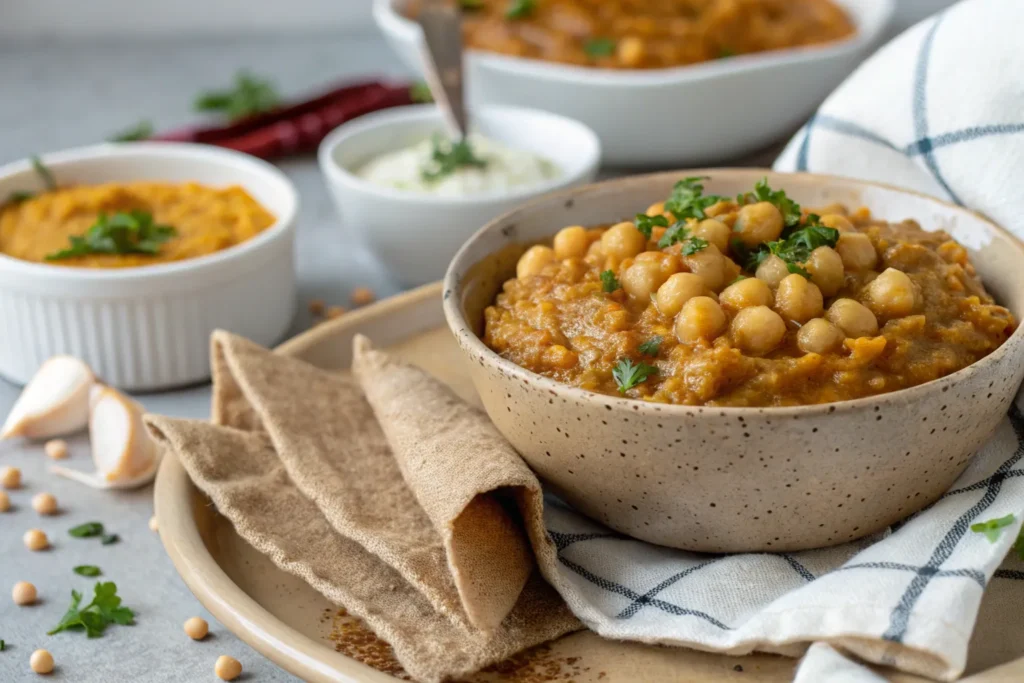
Shiro Wat is creamy, smooth, and deeply savory. The chickpea flour gives it a hearty, slightly nutty flavor that pairs beautifully with the smoky, spicy notes of berbere. Onions and garlic add sweetness and depth, while niter kibbeh or spiced oil imparts a signature Ethiopian aroma. The texture is velvety, thick, and comforting, perfect for scooping with injera.
Tips for the Perfect Shiro Wat
- Whisk constantly while adding chickpea flour to avoid lumps.
- Adjust spice level by reducing or increasing berbere spice.
- Niter kibbeh adds authenticity, but olive oil works for a vegan-friendly option.
- Consistency: Shiro should be thick but spoonable; adjust liquid as needed.
- Serving: Traditionally served with injera, but rice, quinoa, or flatbread are great alternatives.
Variations and Customizations
- Vegetable Shiro: Add chopped carrots, spinach, or zucchini for extra nutrition.
- Spicy Shiro: Increase berbere or add fresh chili peppers for heat.
- Creamy Coconut Shiro: Stir in coconut milk for a richer, slightly sweet variation.
- Egg-Topped Shiro: Serve with sliced hard-boiled eggs for added protein.
- Quick Shiro: Use pre-made shiro powder mixed with water for a faster version.
Make-Ahead and Storage
- Make-Ahead: Shiro Wat can be made in advance and stored in the fridge for 2–3 days. Reheat gently, adding a splash of water to restore consistency.
- Freezing: Store in airtight containers for up to 2 months. Thaw overnight in the fridge and reheat on low heat.
Serving Suggestions
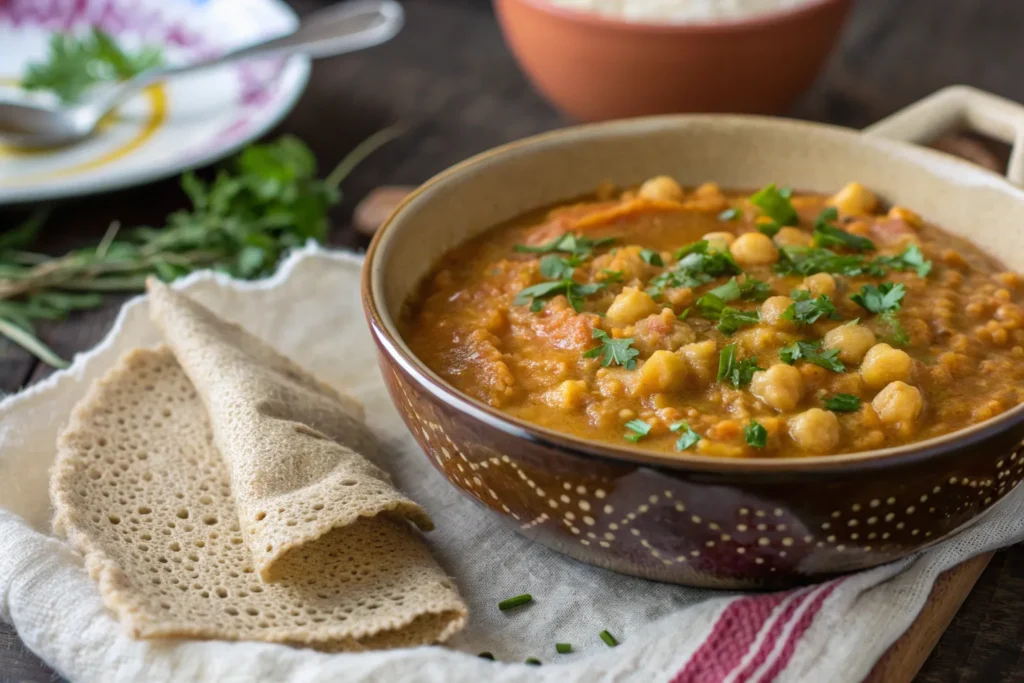
- With Injera: Tear off pieces of injera and scoop up the shiro for a traditional Ethiopian experience.
- With Rice or Quinoa: Great for a gluten-free alternative.
- As a Side Dish: Serve alongside other Ethiopian stews like misir wat (lentil stew) or atkilt wat (vegetable stew).
- Garnishes: Top with fresh herbs, sliced boiled eggs, or a drizzle of spiced oil for presentation.
Conclusion
Ethiopian Shiro Wat is a simple yet deeply flavorful dish that highlights the best of Ethiopian vegetarian cuisine. Its creamy texture, bold spices, and nutty chickpea flavor make it comforting and satisfying. Perfect for lunch, dinner, or festive meals, Shiro Wat is versatile, healthy, and full of character. Whether served traditionally with injera or adapted with rice or bread, this stew is a flavorful introduction to Ethiopian cuisine and a comforting meal for any day of the week.
Frequently Asked Questions
What is shiro?
Shiro is a traditional Ethiopian stew made primarily from chickpea or broad bean flour, cooked with spices and aromatics.
Is Shiro Wat vegan?
Yes, naturally. Traditional versions use niter kibbeh (spiced butter), but it can easily be made vegan with olive oil or plant-based butter.
How spicy is it?
It depends on the amount of berbere spice used. Start small and adjust to taste.
What can I serve with Shiro Wat?
Traditionally served with injera, but rice, flatbread, or quinoa work well.
Can I add vegetables?
Yes! Spinach, zucchini, carrots, or peas can be added for extra nutrition.
Can I store leftovers?
Yes, in the fridge for 2–3 days or freeze for up to 2 months. Reheat gently and adjust consistency with water.
What is niter kibbeh?
It’s a spiced clarified butter used in Ethiopian cooking, infused with garlic, ginger, and warm spices. It adds depth and aroma to stews.