
Easy Kimchi Jjigae Stew Recipe – Comforting, Spicy, and Ready Fast
Kimchi jjigae is one of those comfort foods that always hits the spot. It’s bold, a little spicy, and deeply satisfying, especially on a chilly day. This version keeps it simple and quick, using pantry staples and a few fresh ingredients.
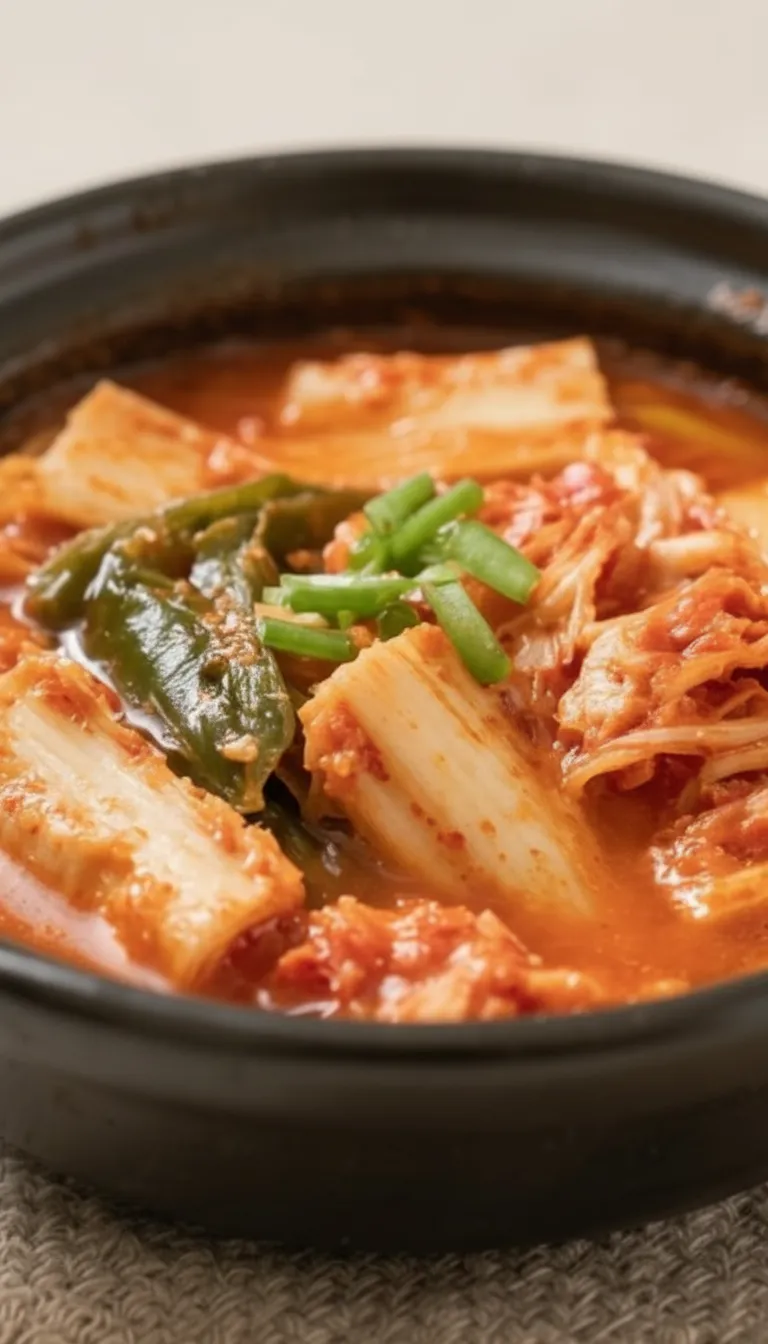
You’ll get that classic tangy, savory flavor without needing special tools or hours in the kitchen. If you’ve got a jar of kimchi, you’re already halfway there.
Why This Recipe Works
Well-fermented kimchi brings a natural sour-savory punch that builds instant depth. A touch of gochujang boosts body and spice, while tofu adds protein and a creamy contrast.
We use pork belly or bacon for smoky richness, but keep the rest light to balance the broth. The result is a fast, weeknight-friendly stew that tastes like it simmered all afternoon.
Shopping List
- 2 cups well-fermented napa kimchi, plus 2 tablespoons kimchi juice
- 6–8 ounces pork belly or thick-cut bacon (optional, but recommended)
- 1 small onion, sliced
- 2 cloves garlic, minced
- 1 tablespoon neutral oil (if not using fatty pork)
- 1 tablespoon gochugaru (Korean red pepper flakes), to taste
- 1 tablespoon gochujang (Korean red pepper paste)
- 1 teaspoon sugar or honey (optional, to balance acidity)
- 3–3½ cups low-sodium chicken stock, anchovy broth, or water
- 1 tablespoon soy sauce, to taste
- 1 teaspoon toasted sesame oil
- 7–10 ounces firm or medium tofu, cut into cubes
- 2 scallions, sliced
- Cooked white rice, for serving
Step-by-Step Instructions
- Prep your ingredients. Slice the kimchi into bite-size pieces. Cut pork belly or bacon into small strips.Cube the tofu and slice the onion and scallions.
- Brown the pork. In a medium pot over medium heat, cook the pork belly or bacon until lightly golden and some fat has rendered, 4–6 minutes. If you’re not using pork, warm the neutral oil instead.
- Sauté aromatics. Add the onion and cook until slightly soft, 2–3 minutes. Stir in the garlic and cook 30 seconds until fragrant.
- Build the base. Add the kimchi, gochugaru, and gochujang.Cook 2–3 minutes, stirring, to coat everything and deepen flavor. If your kimchi is very sour, add the sugar or honey here.
- Pour in the liquid. Add the stock (start with 3 cups) and kimchi juice. Bring to a boil, then reduce to a lively simmer.
- Season and simmer. Add soy sauce.Simmer 10–15 minutes until the kimchi softens and the broth tastes rounded. If it’s too strong, add a bit more stock or water.
- Add tofu. Gently add tofu cubes and simmer 3–5 minutes to warm through. Drizzle in sesame oil.
- Finish and serve. Taste and adjust salt, soy sauce, or spice.Top with scallions. Serve hot with steamed rice.
Keeping It Fresh
Kimchi jjigae often tastes even better the next day. Store leftovers in an airtight container for up to 4 days.
Reheat gently on the stove, adding a splash of water or stock if it thickens. For freezing, skip the tofu at first, freeze up to 2 months, and add fresh tofu when reheating for best texture.
Health Benefits
- Probiotics: Fermented kimchi can support gut health.
- Protein and minerals: Tofu offers plant-based protein and calcium; pork adds iron and B vitamins.
- Low in added sugar: The stew’s flavor comes mainly from fermentation and spices.
- Customizable sodium: Use low-sodium stock and season to taste.
Common Mistakes to Avoid
- Using fresh, unfermented kimchi: The stew will taste flat. Choose older, tangy kimchi for depth.
- Skipping the sauté step: Lightly frying kimchi and paste unlocks richer flavor.
- Overcooking tofu: It can break apart.Add it near the end and simmer gently.
- Not balancing acidity: If too sour, add a pinch of sugar or a splash more stock.
- Under-seasoning: Taste before serving and adjust soy sauce or salt as needed.
Variations You Can Try
- Tuna Kimchi Jjigae: Swap pork for a can of tuna in oil. Add it right before the tofu.
- Mushroom and Tofu: Go meatless with shiitake or oyster mushrooms for umami.
- Spam or Ham: A nostalgic, salty twist that works surprisingly well.
- Cheesy Finish: Top individual bowls with a slice of mild cheese and let it melt for a Korean diner-style treat.
- Rice Cake Add-In: Toss in sliced tteok for a heartier stew.
FAQ
Can I make this without gochujang?
Yes. Increase the gochugaru slightly and add a bit more soy sauce.
The broth will be lighter but still flavorful.
What if my kimchi isn’t sour enough?
Add a teaspoon of rice vinegar or a splash of apple cider vinegar, plus a touch of sugar to balance.
Is there a gluten-free option?
Use gluten-free soy sauce or tamari, and check that your gochujang is labeled gluten-free.
Which tofu is best?
Firm or medium works well. Soft tofu is fine but more delicate—add it gently and avoid stirring too much.
How spicy is this recipe?
Moderately spicy. Reduce gochugaru or skip it for a milder stew, or add more for extra heat.
In Conclusion
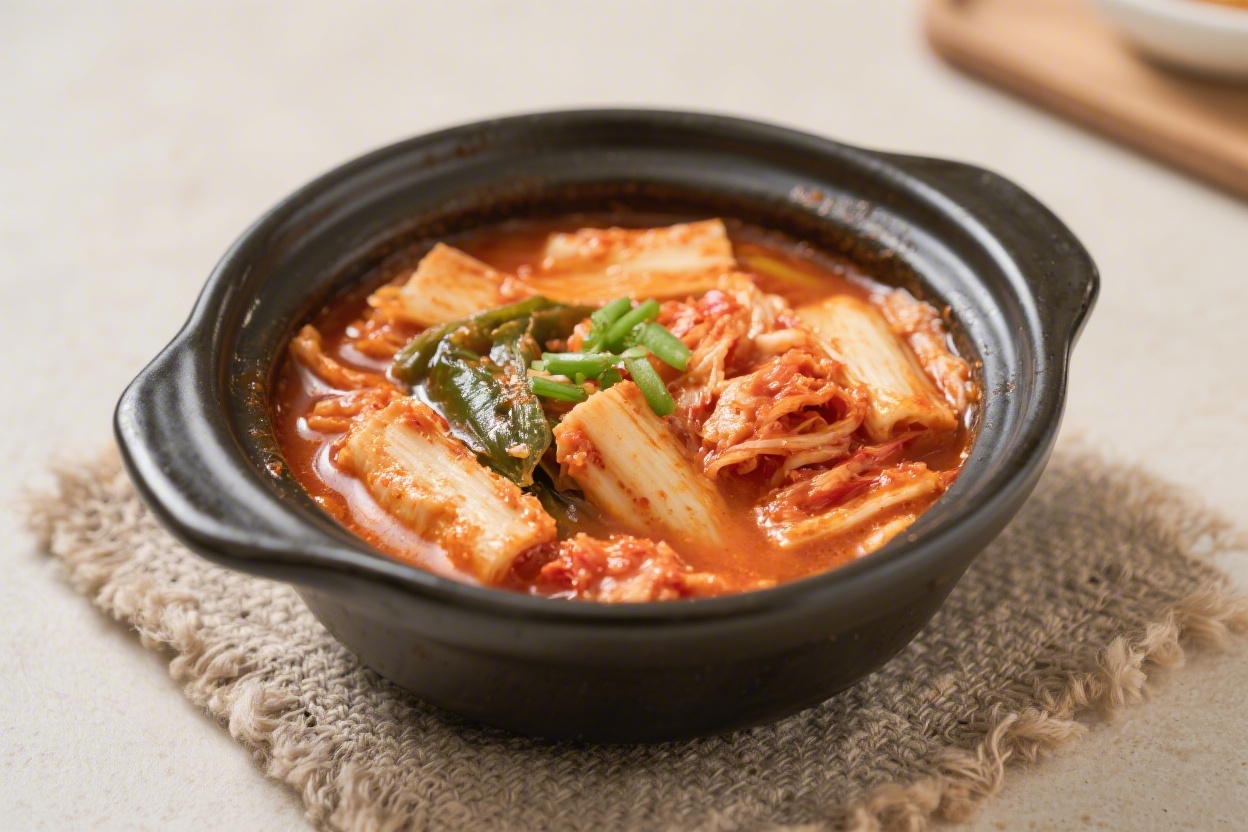
This easy kimchi jjigae brings big flavor with minimal effort. With a few smart shortcuts and flexible ingredients, you’ll have a steaming pot ready in under 30 minutes. Keep it classic with pork and tofu, or try a tuna or mushroom twist. Either way, it’s cozy, bold, and perfect with a bowl of rice.
Ingredients
Method
- Prep your ingredients. Slice the kimchi into bite-size pieces. Cut pork belly or bacon into small strips. Cube the tofu and slice the onion and scallions.
- Brown the pork. In a medium pot over medium heat, cook the pork belly or bacon until lightly golden and some fat has rendered, 4–6 minutes. If you’re not using pork, warm the neutral oil instead.
- Sauté aromatics. Add the onion and cook until slightly soft, 2–3 minutes. Stir in the garlic and cook 30 seconds until fragrant.
- Build the base. Add the kimchi, gochugaru, and gochujang. Cook 2–3 minutes, stirring, to coat everything and deepen flavor. If your kimchi is very sour, add the sugar or honey here.
- Pour in the liquid. Add the stock (start with 3 cups) and kimchi juice. Bring to a boil, then reduce to a lively simmer.
- Season and simmer. Add soy sauce. Simmer 10–15 minutes until the kimchi softens and the broth tastes rounded. If it’s too strong, add a bit more stock or water.
- Add tofu. Gently add tofu cubes and simmer 3–5 minutes to warm through. Drizzle in sesame oil.
- Finish and serve. Taste and adjust salt, soy sauce, or spice. Top with scallions. Serve hot with steamed rice.
Printable Recipe Card
Want just the essential recipe details without scrolling through the article? Get our printable recipe card with just the ingredients and instructions.