
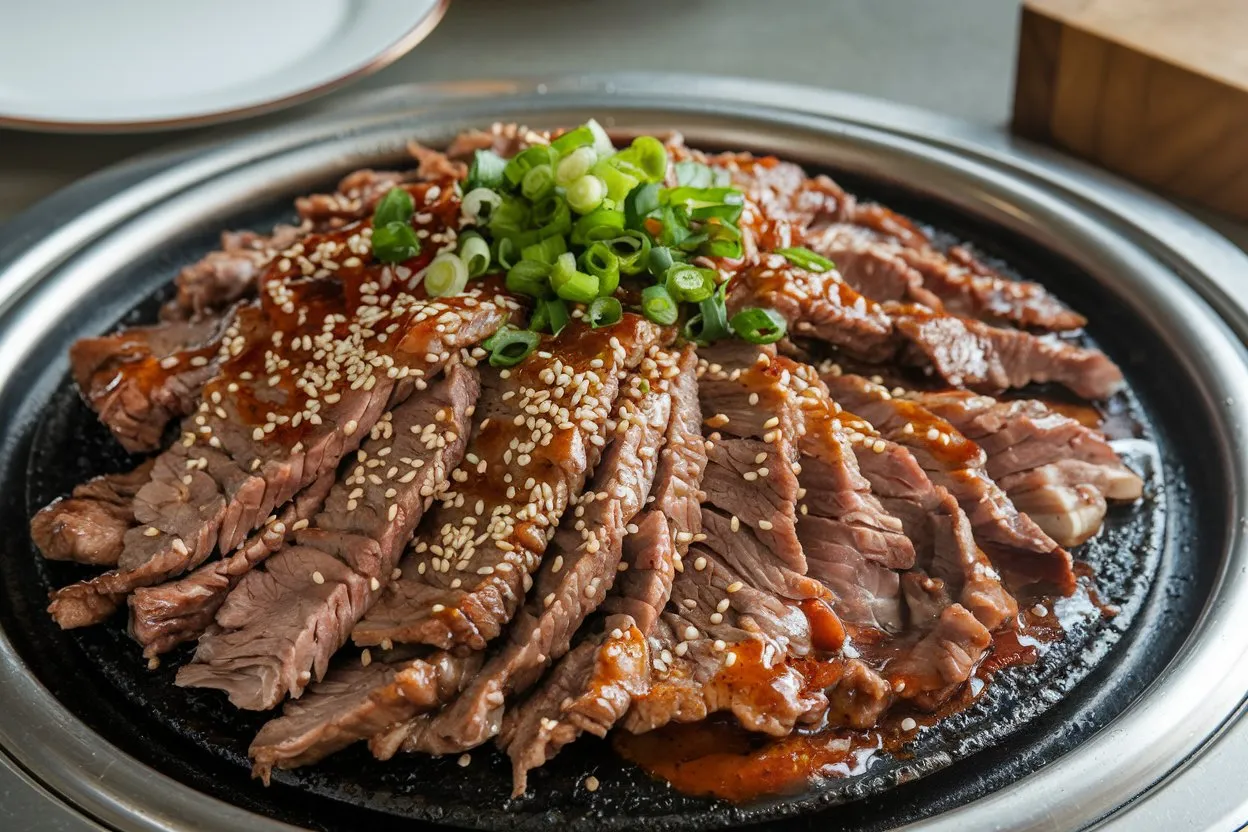
Authentic Korean Beef Bulgogi
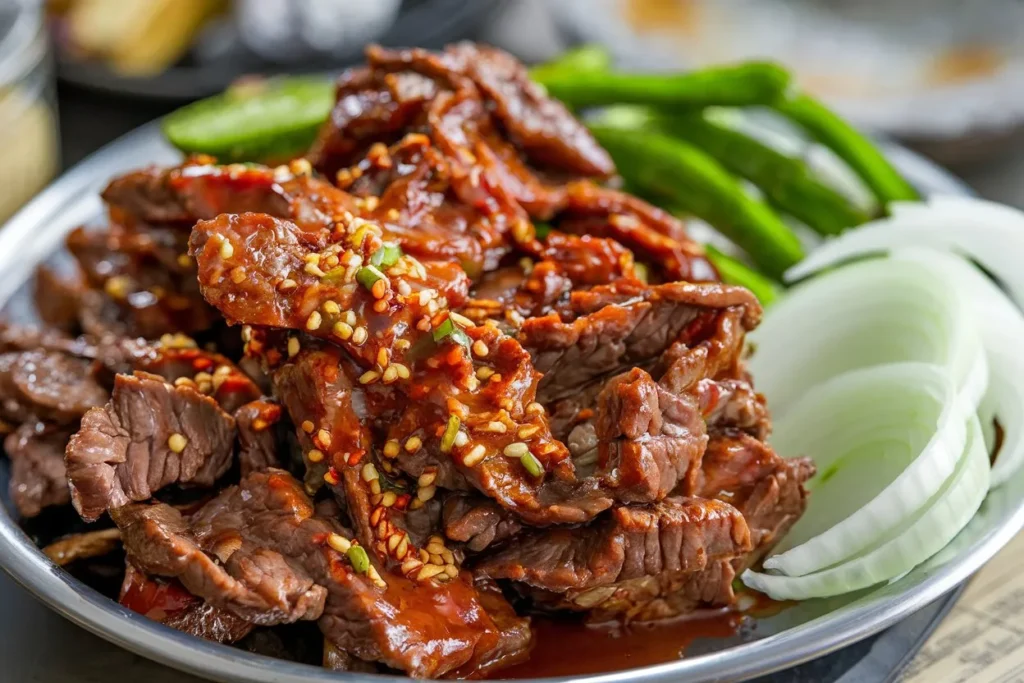
Korean Beef Bulgogi is one of the most iconic dishes in Korean cuisine, known for its thinly sliced beef marinated in a sweet, savory and perfectly balanced sauce. The meat is grilled or pan-seared until caramelized, tender and full of deep umami flavors. This comforting dish has been enjoyed for centuries and continues to be a favorite in Korean homes and restaurants. Making authentic bulgogi at home is simple, budget-friendly and incredibly rewarding once you taste the rich aroma of the marinade hitting the hot pan.
Why You’ll Love This Recipe
This recipe captures the true essence of traditional bulgogi by using classic Korean ingredients such as soy sauce, sesame oil, garlic, Asian pear and green onions. The marinade tenderizes the meat naturally and infuses it with layers of flavor. Whether you cook it on a grill, stovetop or in a cast-iron pan, the results are always juicy and perfectly caramelized. It works well for quick weeknight dinners and also makes an impressive dish for gatherings.
Nutritional Info
Bulgogi is protein-rich and naturally low in heavy fats when made with lean cuts like sirloin or ribeye. The marinade adds minimal calories but brings depth of flavor. Serve it with rice, fresh vegetables or lettuce wraps for a balanced and nourishing meal. Nutritional values vary depending on portion size and extra sides.
Time Taken
Authentic bulgogi requires only about 10 to 15 minutes of active cooking. Marinating the beef for at least 30 minutes is recommended, but overnight marination gives the best flavor. Total time, including preparation, is usually under one hour.
Ingredients
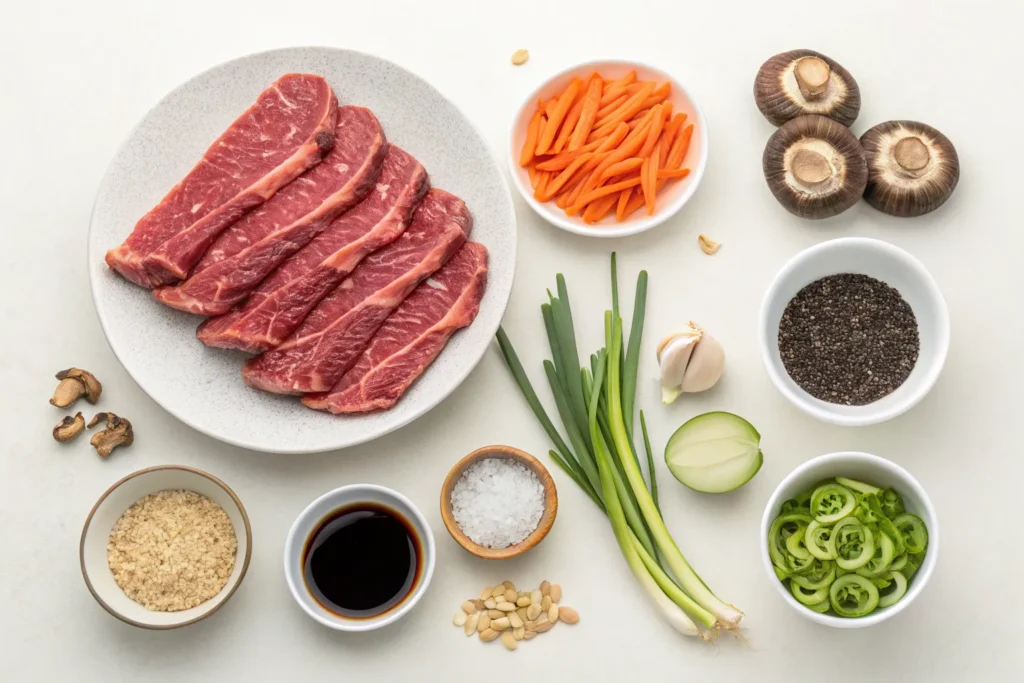
- Thinly sliced beef ribeye or sirloin
- Soy sauce
- Brown sugar or honey
- Sesame oil
- Garlic minced
- Ginger grated
- Asian pear grated or apple as a substitute
- Green onions sliced
- Onion sliced
- Black pepper
- Toasted sesame seeds
- Optional mushrooms or carrots thinly sliced
Instructions
Start by preparing the marinade. Mix soy sauce, brown sugar, sesame oil, minced garlic, grated ginger and grated Asian pear in a bowl until the sugar dissolves. Add black pepper and sliced green onions. Place the thinly sliced beef into the marinade and mix well so every piece is coated. Let it sit for at least 30 minutes or up to overnight.
Heat a grill pan or cast-iron skillet over high heat. Add the marinated beef in small batches, allowing it to sear without steaming. Cook until the liquid reduces and the beef caramelizes around the edges. Add sliced onions or mushrooms to cook alongside the meat if desired. Serve hot with rice, lettuce leaves or Korean side dishes.
You Must Know
Bulgogi cooks very quickly, so avoid overcrowding the pan. Use thinly sliced beef for the most authentic texture. Asian pear is a key ingredient because its natural enzymes tenderize the beef and add subtle sweetness.
Storage Tips
Store cooked bulgogi in an airtight container in the refrigerator for up to three days. Reheat it in a pan over medium heat. The marinade can be frozen for future use, but the cooked dish is best enjoyed fresh.
Ingredient Substitutions
- Substitute Asian pear with grated apple if unavailable
- Replace brown sugar with honey for a richer glaze
- Use chicken or pork slices instead of beef for variations
- Add gochujang for a spicy twist if you prefer heat
- Use tamari instead of soy sauce for a gluten-free version
Serving Suggestions
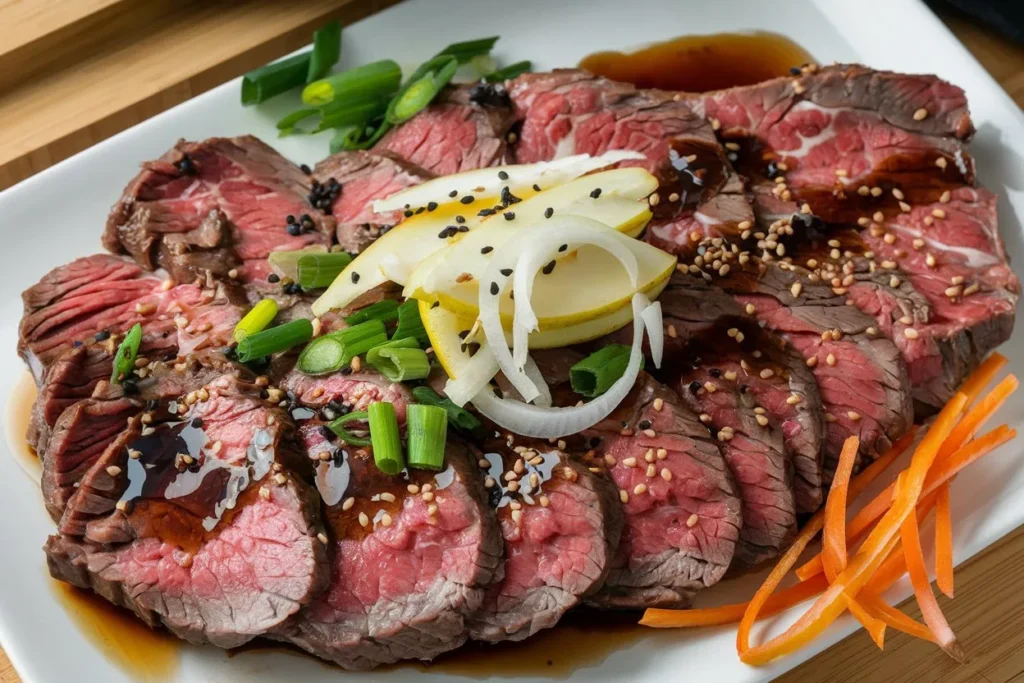
Serve bulgogi over warm steamed rice or wrap it in crisp lettuce leaves with kimchi for a lighter option. It pairs well with Korean banchan like pickled radish, seasoned spinach or spicy cucumber salad. You can also use bulgogi as a filling for rice bowls, noodles or Korean-style tacos.
Cultural and Historical Context
Bulgogi originated during the Goguryeo era more than a thousand years ago. The dish began as thinly sliced meat grilled over an open fire, and the name bulgogi directly translates to fire meat. Over time it evolved with the addition of soy sauce and sweeter marinades, becoming a core part of Korean dining culture. Today it remains a symbol of Korean hospitality and comfort.
Seasonal Adaptations
In colder months, add mushrooms, carrots or extra onions to make the dish heartier. During summer, cook bulgogi outdoors on a grill for smoky flavor and pair it with crisp seasonal vegetables. The marinade also works well with seasonal produce like zucchini or peppers.
Success Stories
Home cooks often praise this recipe for its simplicity and authenticity. Many who try it for the first time say it tastes just like restaurant-style bulgogi. Families enjoy it as part of weekend dinners, and it has become a go-to dish for gatherings thanks to how easily it scales up for large groups.
Freezer Meal Conversion
You can freeze the marinated raw beef in freezer bags for up to two months. When ready to cook, thaw it overnight in the refrigerator and cook it as usual. This makes it an excellent option for quick weeknight meals.
Pro Tips
- Slice beef while it’s slightly frozen for cleaner, thinner cuts
- Use a cast-iron pan for maximum caramelization
- Add onions at the end of marination for extra sweetness
Chef’s Special Tips
- Drizzle a small amount of sesame oil just before serving for heightened aroma
- Add a splash of mirin to the marinade for depth
- Garnish with freshly toasted sesame seeds for a traditional finish
Conclusion
Authentic Korean Beef Bulgogi brings together tender beef, bold flavors and centuries of culinary tradition into one simple dish you can recreate at home. Whether you serve it over rice or wrap it in lettuce, each bite delivers satisfying sweetness, depth and umami. Try this recipe today and enjoy the rich cultural flavors of Korea right from your kitchen, and explore more Korean dishes to build a complete and delicious meal experience.
FAQs
Can I make bulgogi without Asian pear?
Yes. Grated apple is the closest substitute because it provides natural sweetness and tenderizing enzymes. If you have neither, add a small amount of sugar and a splash of pineapple juice.
What cut of beef is best for authentic bulgogi?
Ribeye is the top choice because it stays tender and juicy. Sirloin also works well. The key is thin slicing, which ensures quick cooking and perfect texture.
How thin should the beef be sliced?
Slices should be about 2 to 3 millimeters thick. Freezing the beef for 20 to 30 minutes before slicing makes it easier to get clean, thin pieces.
Can I make bulgogi spicy?
Yes. Add a spoon of gochujang or a bit of Korean chili flakes to the marinade for a spicy version. The rest of the recipe stays the same.
Is it okay to cook bulgogi in a regular pan?
A cast-iron skillet or grill pan is ideal, but any large nonstick pan works. Just cook in small batches to avoid steaming.
Can I use chicken or pork instead of beef?
Absolutely. The same marinade works beautifully with thinly sliced chicken thighs or pork shoulder. Cooking times remain quick.
Do I need to marinate overnight?
Not necessarily. Thirty minutes is enough for flavor, but overnight marination produces the most tender, deeply seasoned bulgogi.
How do I prevent bulgogi from becoming watery?
Avoid overcrowding the pan. High heat and small batches help the meat char and caramelize instead of steaming.
Can I serve bulgogi without rice?
Yes. Bulgogi is delicious in lettuce wraps, noodle bowls, tacos or even inside sandwiches. It is very versatile.
Can I freeze cooked bulgogi?
It’s better to freeze the marinated raw beef rather than the cooked version. Cooked bulgogi tends to lose juiciness after thawing.
Printable Recipe Card
Want just the essential recipe details without scrolling through the article? Get our printable recipe card with just the ingredients and instructions.