
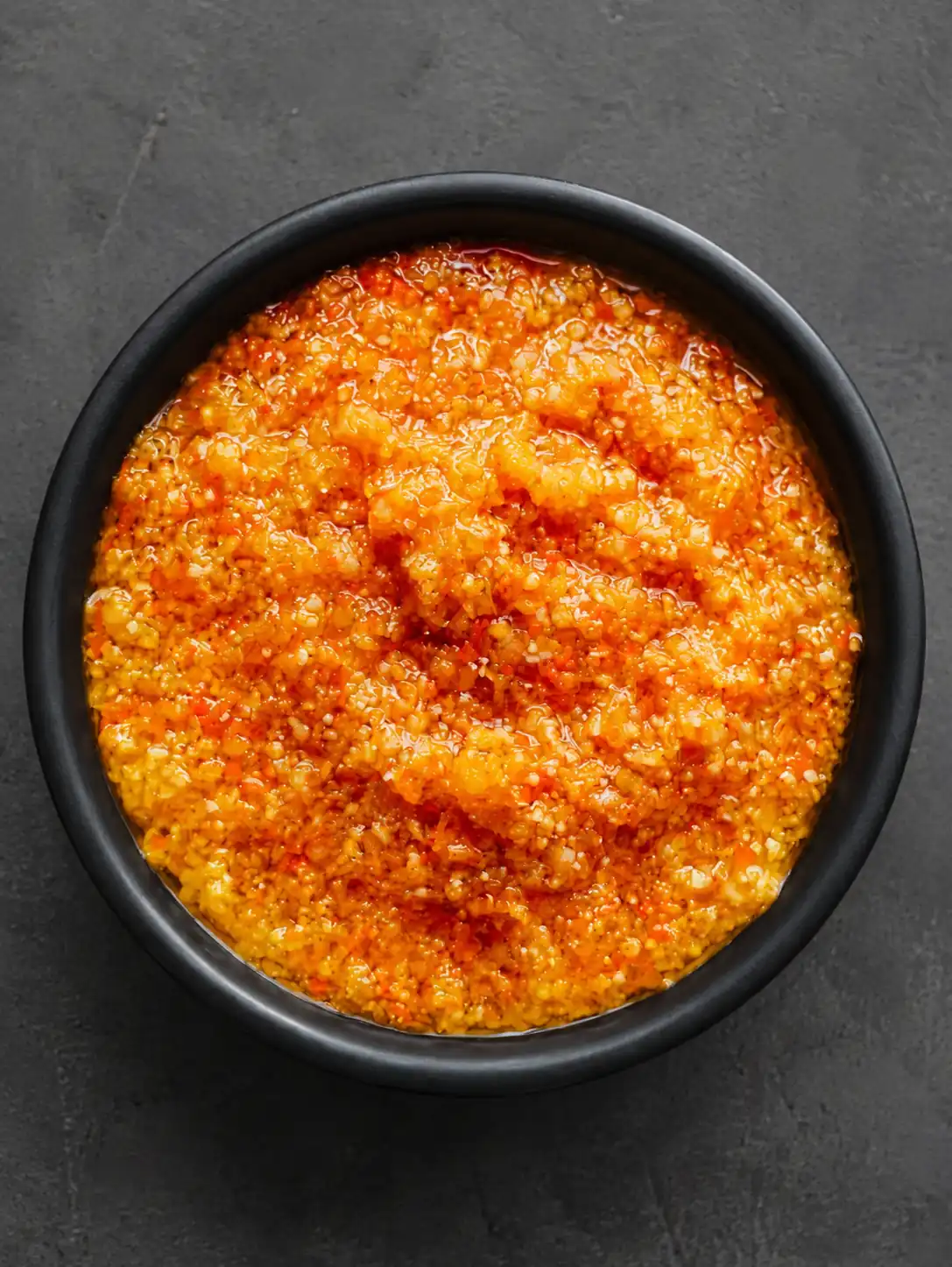
Japanese Steakhouse Ginger Dressing: The Ultimate Hibachi Restaurant Copycat
This ginger dressing tastes just like the one you get with that crisp starter salad at hibachi spots bright, tangy, a little sweet, and full of fresh ginger. It’s the kind of sauce that makes plain lettuce exciting. You can blend it up in 10 minutes with pantry staples and a few fresh ingredients.
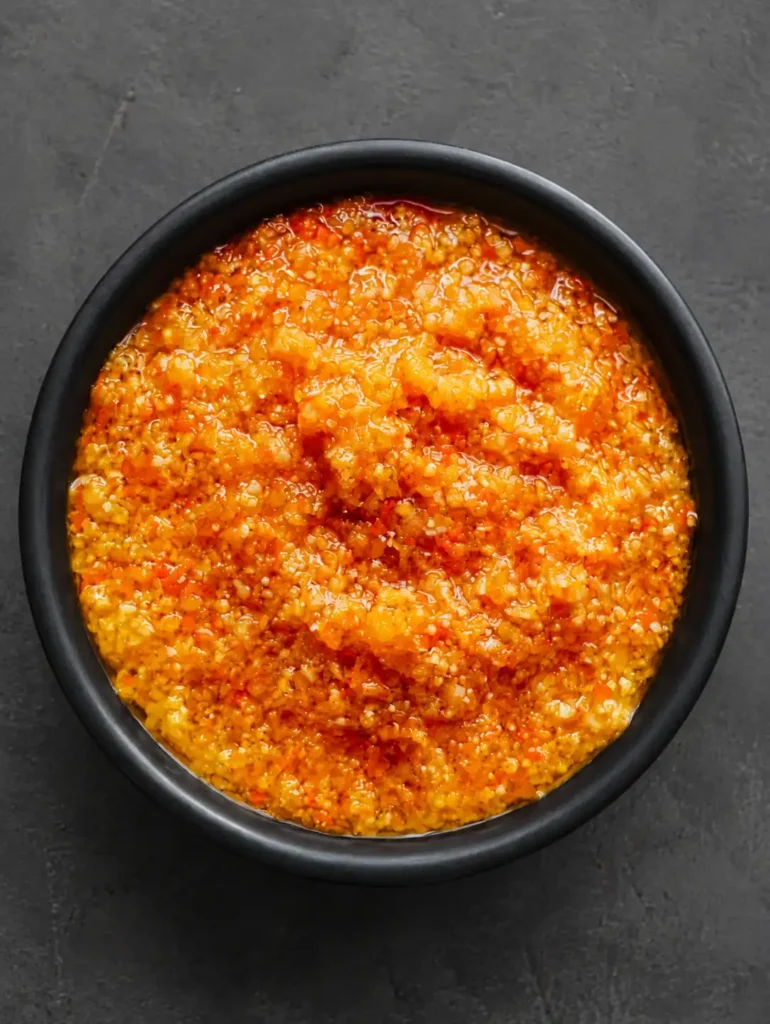
It’s great on salads, grilled chicken, rice bowls, or as a dipping sauce for veggies. Once you make it at home, you’ll want a jar in your fridge at all times.
Why This Recipe Works
- Balanced flavors: Fresh ginger and onion bring heat and bite, rice vinegar adds tang, and a touch of sugar mellows everything out.
- Restaurant-style texture: Blending creates a slightly chunky, pourable dressing just like the hibachi classic.
- Simple ingredients: You don’t need fancy oils or rare vinegars to nail that flavor.
- Versatile: Works as a salad dressing, marinade, or drizzle over grilled meats and roasted veggies.
Shopping List
- 1 small carrot, peeled and roughly chopped
- 1/4 cup yellow onion, chopped
- 2–3 tablespoons fresh ginger, peeled and chopped
- 1 small garlic clove
- 1/4 cup rice vinegar (unseasoned)
- 2 tablespoons soy sauce (low-sodium if preferred)
- 2 tablespoons neutral oil (canola, grapeseed, or light olive oil)
- 1 tablespoon toasted sesame oil
- 1–2 tablespoons sugar or honey (to taste)
- 1 tablespoon ketchup or tomato paste (optional for color and body)
- 1–2 tablespoons water (as needed to thin)
- Pinch of salt and black pepper
Step-by-Step Instructions
- Prep the produce: Roughly chop the carrot, onion, and ginger so your blender or food processor can handle them easily.
- Add to blender: Place carrot, onion, ginger, garlic, rice vinegar, soy sauce, neutral oil, sesame oil, sugar or honey, and ketchup (if using) into the blender.
- Blend until mostly smooth: Aim for a slightly textured consistency—thicker than vinaigrette, thinner than puree. Add 1–2 tablespoons water if it’s too thick.
- Taste and adjust: Add more vinegar for brightness, a pinch more sugar for balance, or a splash of soy for deeper savoriness.Season with salt and pepper.
- Rest the dressing: Let it sit 10–15 minutes so the flavors relax and meld. It gets even better after an hour in the fridge.
- Serve: Spoon over a simple salad of iceberg or romaine, shredded carrot, and cucumber—or use as a dip for crudités.
Keeping It Fresh
- Storage: Keep in a sealed jar in the refrigerator for 5–7 days.
- Separation is normal: Shake or stir before serving.
- Freezing: Not recommended. The texture changes and the fresh ginger punch fades.
- Make-ahead tip: Blend the base without oil, store, then whisk in oils right before serving for peak aroma.
Health Benefits
- Ginger power: Ginger contains compounds like gingerol that may help with digestion and inflammation.
- Lighter than creamy dressings: This vinaigrette-style sauce is flavorful with modest oil.
- Veg-forward: Carrot and onion add vitamins, fiber, and natural sweetness.
- Customizable sodium: Using low-sodium soy sauce keeps salt in check.
Pitfalls to Watch Out For
- Over-blending: If it gets foamy or too thin, the texture won’t feel restaurant-style.Pulse in short bursts.
- Too much ginger: Fresh ginger is potent. Start with 2 tablespoons and add more to taste.
- Using seasoned rice vinegar: It already contains sugar and salt, which can throw off the balance.
- Wrong oil: Strong olive oil can dominate. Stick to neutral plus a measured amount of toasted sesame oil.
Variations You Can Try
- Spicy kick: Add 1 teaspoon sriracha or a pinch of red pepper flakes.
- Citrus twist: Swap 1 tablespoon of rice vinegar for fresh orange juice.
- Miso depth: Blend in 1 teaspoon white miso for extra umami and creaminess.
- Sesame-forward: Stir in 1 teaspoon toasted sesame seeds after blending for texture.
- No-sugar version: Use grated apple or a splash of apple juice instead of sugar or honey.
FAQ
Can I make this without a blender?
Yes. Finely grate the carrot, ginger, and onion on a microplane and whisk everything together. The texture will be chunkier but still tasty.
What kind of onion works best?
Yellow onion is classic, but a mild sweet onion or a small shallot also works. Avoid red onion—it can turn the dressing harsh and muddy the color.
Is there a gluten-free option?
Use tamari or certified gluten-free soy sauce. Everything else in the recipe is typically gluten-free, but always check labels.
How do I use it as a marinade?
Reserve a portion for serving, then toss the rest with chicken, tofu, or shrimp for 30 minutes in the fridge. Because it’s acidic, don’t marinate delicate proteins for too long.
Can I reduce the oil?
Absolutely. Drop the neutral oil to 1 tablespoon and add a bit more water to thin. The flavor stays bright, just a touch less silky.
Final Thoughts
This Japanese steakhouse ginger dressing brings that familiar hibachi flavor home with simple ingredients and a quick blend. It’s bright, zippy, and endlessly useful from weekday salads to grilled dinners. Keep a jar in your fridge, adjust the sweetness and tang to your taste, and you’ll have a go-to sauce that makes every salad bowl a little more exciting.
Japanese Steakhouse Ginger Dressing: The Ultimate Hibachi Restaurant Copycat - Bright, Zesty, and Ready in Minutes
Ingredients
Method
- Prep the produce: Roughly chop the carrot, onion, and ginger so your blender or food processor can handle them easily.
- Add to blender: Place carrot, onion, ginger, garlic, rice vinegar, soy sauce, neutral oil, sesame oil, sugar or honey, and ketchup (if using) into the blender.
- Blend until mostly smooth: Aim for a slightly textured consistency—thicker than vinaigrette, thinner than puree. Add 1–2 tablespoons water if it’s too thick.
- Taste and adjust: Add more vinegar for brightness, a pinch more sugar for balance, or a splash of soy for deeper savoriness. Season with salt and pepper.
- Rest the dressing: Let it sit 10–15 minutes so the flavors relax and meld. It gets even better after an hour in the fridge.
- Serve: Spoon over a simple salad of iceberg or romaine, shredded carrot, and cucumber—or use as a dip for crudités.
Printable Recipe Card
Want just the essential recipe details without scrolling through the article? Get our printable recipe card with just the ingredients and instructions.