
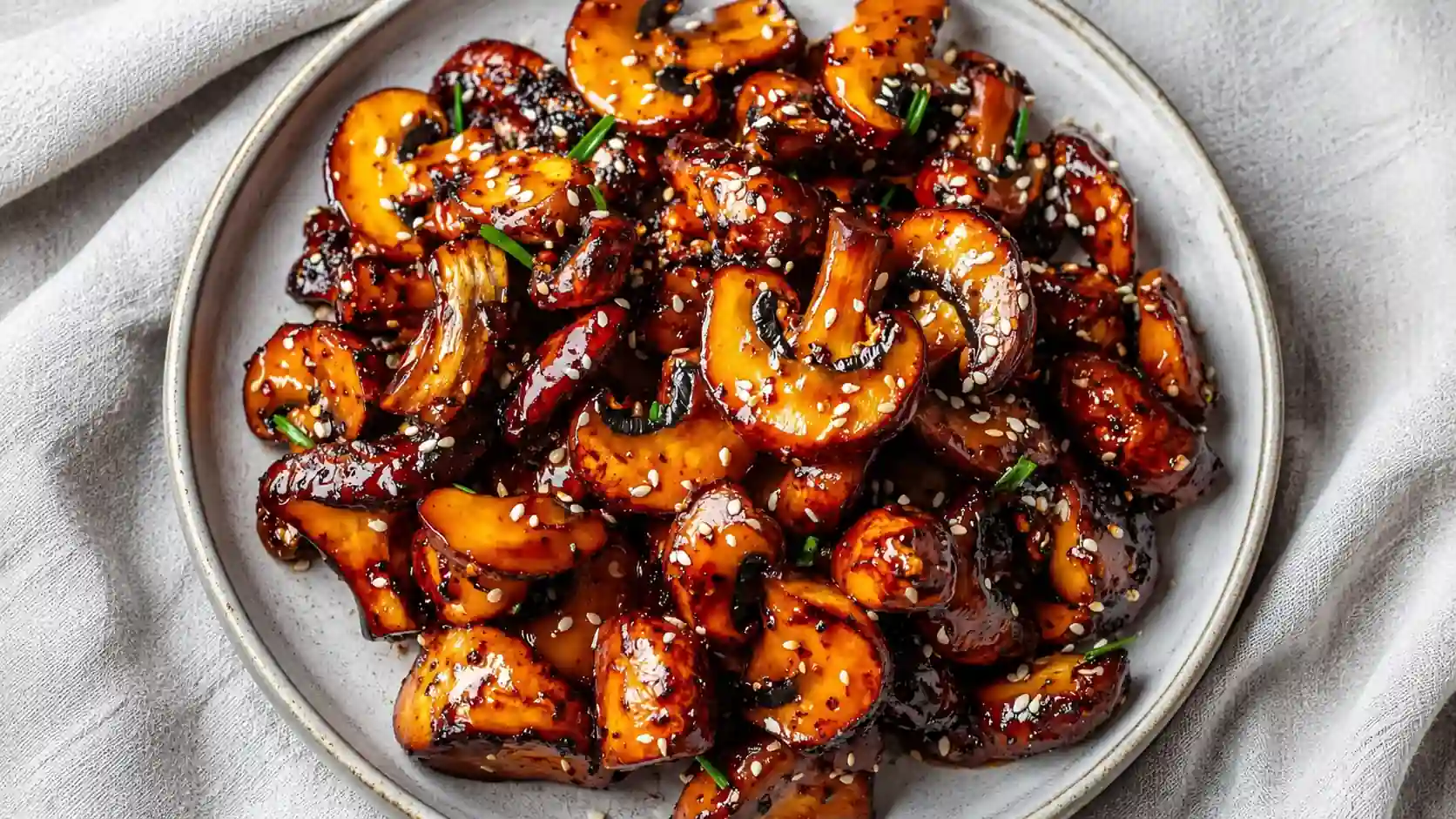
Irresistibly Spicy Gochujang Mushrooms You’ll Crave Every Time
There’s something incredibly satisfying about finding a recipe that’s simple to prepare, packed with flavor, and guaranteed to impress. That’s exactly what makes Spicy Gochujang King Oyster Mushrooms such a standout dish. The combination of tender mushrooms and bold Korean gochujang creates an unforgettable balance of heat, sweetness, and savory depth. What starts as a humble ingredient quickly transforms into a restaurant-worthy meal with minimal effort. Even better, this vegan-friendly recipe can easily fit into different dietary lifestyles. Whether served over rice, tucked into tacos, or enjoyed on its own, every bite delivers exciting flavor.
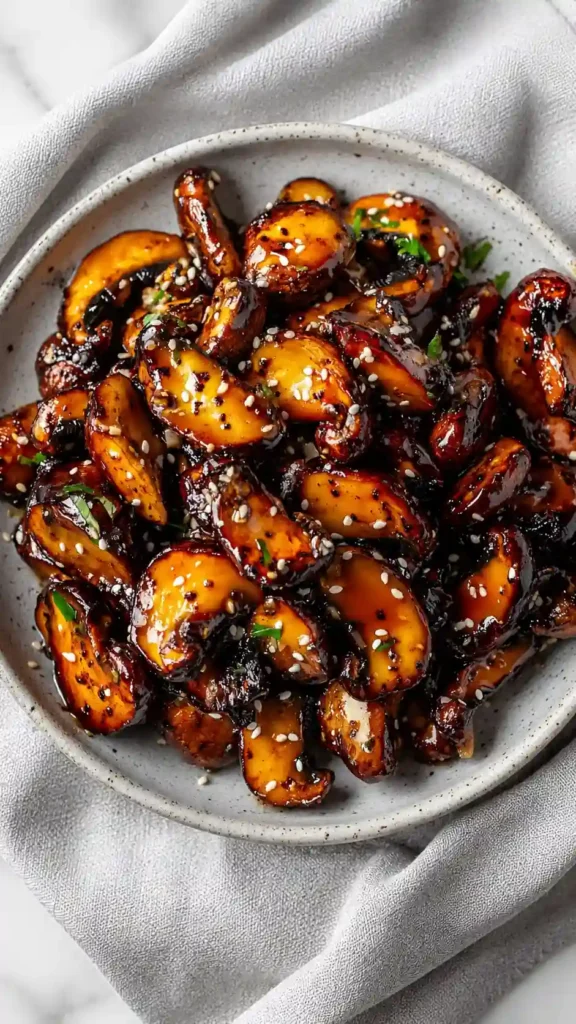
On busy evenings, this recipe is often the perfect solution when takeout feels uninspiring. It comes together with a handful of pantry staples and requires very little preparation time. The mushrooms develop a wonderfully meaty texture while soaking up every bit of the rich sauce. If you’ve ever doubted whether mushrooms can be satisfying enough for dinner, this dish may completely change your mind. It’s flavorful, comforting, and surprisingly filling. One taste and it could easily become a regular addition to your weekly meal plan.
Why Are Spicy Gochujang Mushrooms So Popular?
Big, Bold Flavor: Gochujang brings a spicy, savory kick that instantly elevates every bite and keeps you coming back for more.
Fast and Easy: This recipe comes together quickly, making it ideal for weeknight dinners when time is limited.
Vegan-Friendly and Flexible: These mushrooms work beautifully with rice, noodles, wraps, or tacos, making them suitable for many different meals.
Amazing Texture: Expect mushrooms that are tender inside, lightly crisp on the outside, and coated in a sticky, flavorful glaze.
Perfect for Sharing: Whether you’re cooking for family or entertaining friends, this dish is always a crowd favorite.
Spicy Gochujang Mushrooms Ingredients
For the Mushrooms
• Fresh King Oyster Mushrooms – About 350g provides a hearty, meaty texture. Smaller mushrooms or a few large ones both work well.
• Neutral Cooking Oil – Vegetable or canola oil is ideal because it allows the sauce flavors to shine.
Ingredients
For the Mushrooms
- 350g King Oyster Mushrooms, sliced into ¼-inch thick pieces
- 1 tablespoon Neutral Oil (canola or vegetable oil)
For the Marinade
- 2 tablespoons Soy Sauce
- 1½ tablespoons Gochujang (Korean Chili Paste)
- 1 tablespoon Mirin or Sake
- 1 tablespoon Sugar
- 3 cloves Garlic, minced
- 1 tablespoon Sesame Oil
- 1 teaspoon Sesame Seeds
For Serving
- 2 cups Steamed Rice
- 1 small Cucumber, thinly sliced
- 1 tablespoon Sesame Seeds (for garnish)
- 2 Scallions (Green Onions), thinly sliced
Optional Garnish
- 1 teaspoon Sesame Oil (for drizzling before serving)
- Extra Sesame Seeds
- Extra Sliced Scallions
How to Make Spicy Gochujang King Oyster Mushrooms
Step 1: Prepare the Mushrooms
Slice the king oyster mushrooms into pieces about ¼ inch thick. If using very large mushrooms, cut them in half lengthwise before slicing. This helps them absorb more flavor during marination.
Step 2: Mix the Marinade
In a medium bowl, combine soy sauce, gochujang, mirin, sugar, minced garlic, sesame seeds, and sesame oil. Stir until everything is fully blended into a smooth marinade.
Step 3: Marinate the Mushrooms
Add the sliced mushrooms to the marinade and toss until evenly coated. Let them sit for at least 20 minutes. For even deeper flavor, refrigerate and marinate overnight.
Step 4: Cook the Mushrooms
Heat a cast-iron skillet over medium heat and add a small amount of neutral oil. Place the mushrooms in a single layer and cook in batches if necessary. Allow them to cook for 2 to 3 minutes per side until lightly charred and golden.
Step 5: Finish the Sauce
Once all mushrooms are cooked, return them to the skillet. Pour in any remaining marinade and cook for several minutes. The sauce will reduce and coat the mushrooms with a glossy glaze.
Step 6: Serve and Enjoy
Serve the mushrooms immediately while hot. Pair them with steamed rice and top with cucumber slices, sesame seeds, and scallions for extra flavor and texture.
Optional: Drizzle a little extra sesame oil over the finished dish for an added layer of aroma.
Expert Tips for Spicy Gochujang Mushrooms
Step 1: Heat the Pan First
Always allow the pan to become fully hot before adding mushrooms. This helps create a flavorful char and prevents sticking.
Step 2: Cook in Batches
Avoid overcrowding the skillet. Cooking in smaller batches encourages browning instead of steaming.
Step 3: Marinate Longer
For the richest flavor possible, let the mushrooms marinate overnight in the refrigerator.
Step 4: Monitor the Sauce
Keep an eye on the glaze as it thickens. Stir occasionally to prevent burning or sticking.
Step 5: Adjust Before Serving
Taste the finished dish and adjust sweetness or spice levels according to your preference.
Spicy Gochujang Mushrooms Variations
Step 1: Try Different Mushrooms
Replace king oyster mushrooms with shiitake, cremini, or portobello mushrooms for a different texture and flavor.
Step 2: Add More Vegetables
Bell peppers, bok choy, broccoli, or snap peas can be added for extra nutrition and color.
Step 3: Serve with Quinoa
Swap traditional rice for quinoa to add protein and a slightly nutty flavor.
Step 4: Make Lettuce Wraps
Serve the mushrooms inside crisp lettuce leaves for a lighter, low-carb option.
Step 5: Customize the Heat
Increase or decrease the amount of gochujang depending on your spice tolerance. A touch of sriracha can add extra heat.
Step 6: Use Coconut Aminos
Replace soy sauce with coconut aminos for a soy-free version with a subtle sweetness.
Step 7: Add Crunch
Top with toasted peanuts, cashews, or almonds for extra texture.
Step 8: Enhance Sweetness
Mix in a small amount of maple syrup or agave nectar for a sweeter contrast to the spice.
Storage Tips for Spicy Gochujang Mushrooms
Step 1: Refrigerate Properly
Store leftovers in an airtight container in the refrigerator for up to 3 days.
Step 2: Freeze for Longer Storage
Arrange cooked mushrooms on a baking sheet and freeze until firm. Transfer them to a freezer-safe bag and store for up to 2 months.
Step 3: Reheat Carefully
Warm the mushrooms in a skillet over medium heat. Add a splash of water or oil if needed to restore moisture.
Step 4: Serve Fresh When Possible
These mushrooms taste best immediately after cooking while the glaze is fresh and glossy.
What to Serve with Spicy Korean Gochujang King Oyster Mushrooms?
Step 1: Steamed Rice
Soft, fluffy rice absorbs the flavorful sauce and balances the spice perfectly.
Step 2: Fresh Cucumber
Cool cucumber slices add freshness and contrast to the rich mushrooms.
Step 3: Sesame Noodles
Nutty sesame noodles pair beautifully with the spicy glaze.
Step 4: Quinoa Salad
A fresh quinoa salad adds protein, fiber, and extra texture to the meal.
Step 5: Bok Choy Stir-Fry
Lightly stir-fried bok choy provides a fresh, crisp element alongside the mushrooms.
Step 6: Cilantro and Lime
Fresh cilantro and a squeeze of lime brighten the dish and enhance its flavors.
Step 7: Refreshing Drinks
A chilled beverage helps balance the heat and refresh the palate between bites.
Spicy Korean Gochujang King Oyster Mushrooms Recipe FAQs
Step 1: How Do I Choose the Best King Oyster Mushrooms?
Look for mushrooms that feel firm, smooth, and heavy for their size. Avoid any with dark spots, wrinkles, or a strong odor. Fresh mushrooms should have a clean appearance and a mild earthy scent.
Step 2: What’s the Best Way to Store Leftovers?
Place leftovers in a sealed container and refrigerate for up to 3 days. Reheat them gently in a skillet to maintain their texture and flavor.
Step 3: Can I Freeze Spicy Gochujang Mushrooms?
Yes. Freeze the cooked mushrooms in a single layer until solid, then transfer them to a freezer-safe bag. They can be stored for up to 2 months. Thaw overnight in the refrigerator before reheating.
Step 4: What If the Sauce Becomes Too Thick?
Simply stir in a small amount of water or vegetable broth until the sauce reaches your preferred consistency.
Step 5: Is This Recipe Allergy-Friendly?
This recipe is naturally vegan and can easily be made gluten-free by using tamari instead of regular soy sauce. Always check ingredient labels, especially gochujang, since some brands may contain gluten. If you have allergies to sesame or garlic, substitute ingredients accordingly.