
Dak Bokkeumtang Spicy Chicken Stew – Cozy, Bold, and Comforting
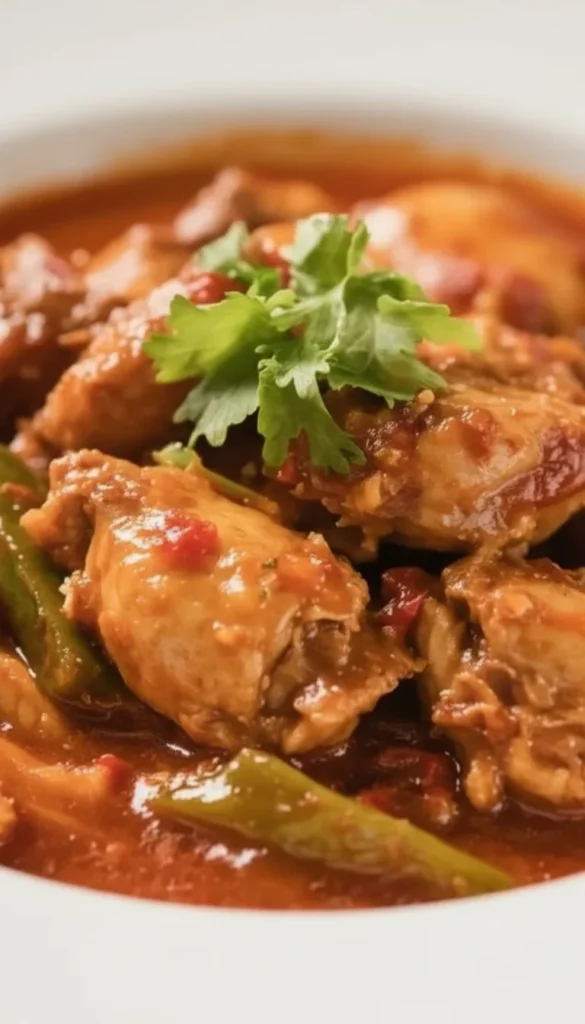
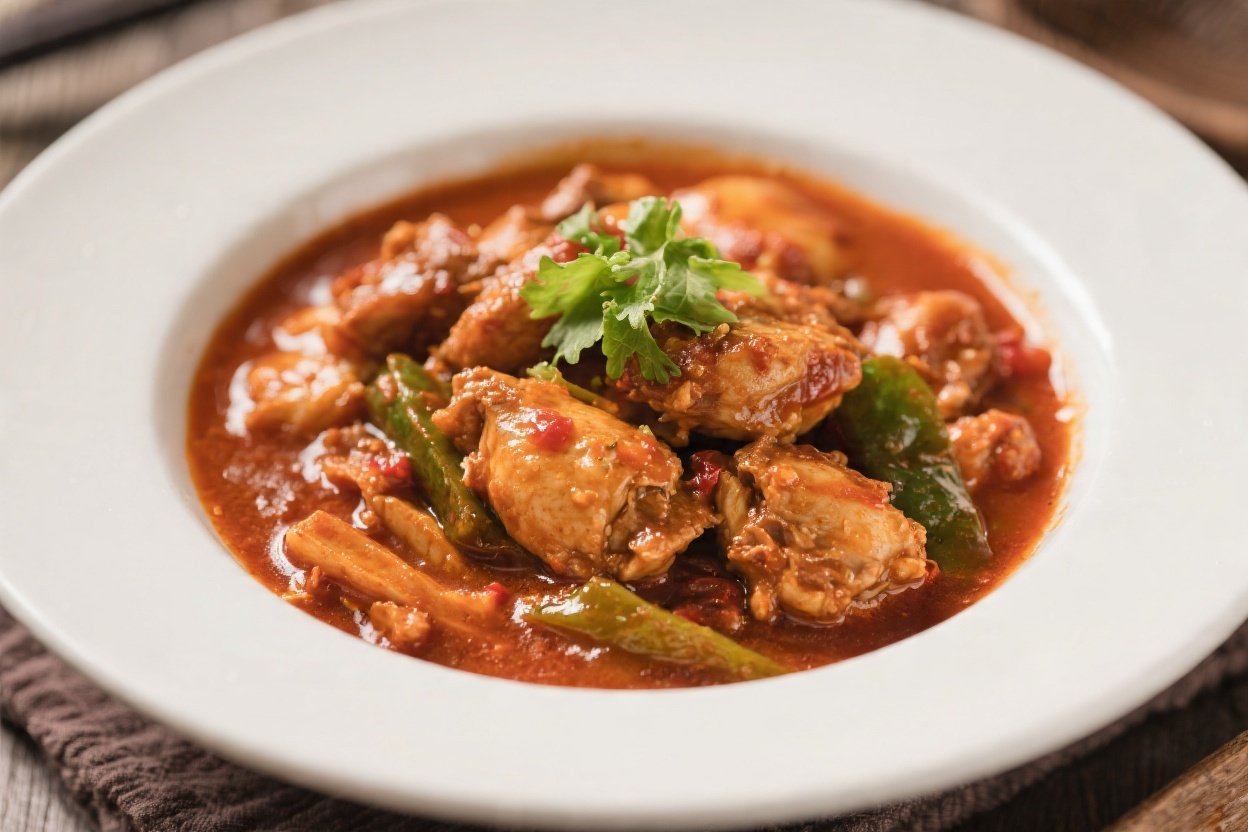
This is the kind of stew that fills the kitchen with warmth before you even take a bite. Dak Bokkeumtang, also known as Korean spicy braised chicken, is rich, hearty, and perfect for chilly evenings or when you want something deeply satisfying. The sauce clings to every bite, balancing heat, sweetness, and savoriness.
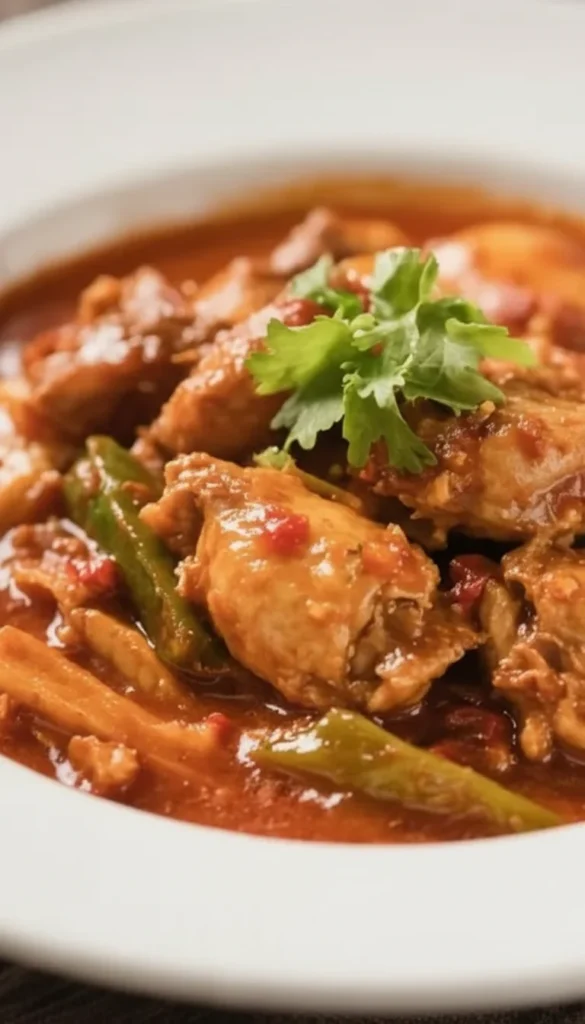
Big chunks of potato, carrot, and onion soak up the flavors and turn silky as they simmer. It’s a one-pot wonder that feels like a hug in a bowl.
What Makes This Special
This stew shines because of its gochujang (Korean red chili paste) and gochugaru (Korean chili flakes), which bring layered heat without overwhelming bitterness. The combination of soy sauce, garlic, and ginger builds deep umami, while a touch of sugar or rice syrup rounds out the spice.
The veggies are not just fillers—they’re flavor sponges that make every spoonful comforting. And unlike many slow-cooked dishes, this one comes together in under an hour.
Shopping List
- Chicken: 2–2.5 lb bone-in chicken pieces (drumsticks and thighs are best)
- Potatoes: 2–3 medium, peeled and cut into large chunks
- Carrots:</strong >2 medium, cut into thick chunks
- Onion: 1 large, cut into wedges
- Green onions: 2–3 stalks, sliced (for garnish and finish)
- Garlic: 5–6 cloves, minced
- Ginger: 1-inch piece, minced
- Gochujang: 2–3 tablespoons
- Gochugaru: 1–2 tablespoons (adjust for spice level)
- Soy sauce: 3–4 tablespoons
- Rice syrup or sugar: 1–2 tablespoons
- Sesame oil: 1 teaspoon
- Mirin (optional): 1 tablespoon
- Water or low-sodium chicken stock: 2–2.5 cups
- Potato starch or cornstarch (optional): 1 teaspoon for slight thickening
- Daikon radish (optional): 1 cup chunks for extra sweetness
- Fresh chilies (optional): 1–2, sliced for added heat
- Salt and black pepper: To taste
How to Make It
- Prep the chicken. Trim excess skin and fat. Rinse quickly and pat dry.For cleaner flavor, you can parboil the chicken for 3–4 minutes, then drain and rinse.
- Make the sauce. In a bowl, mix gochujang, gochugaru, soy sauce, garlic, ginger, rice syrup (or sugar), sesame oil, and mirin if using. Aim for a thick, glossy paste.
- Start the pot. Place chicken in a wide pot. Add onions, potatoes, carrots, and optional daikon.Pour the sauce over and add water or stock until it comes about two-thirds up the ingredients.
- Simmer gently. Bring to a boil over medium-high heat, then lower to a steady simmer. Cover and cook for 15 minutes, stirring once to prevent sticking.
- Uncover and reduce. Remove the lid and simmer another 15–20 minutes until the potatoes are tender and the sauce thickens. If you like it thicker, stir in a slurry of potato starch or cornstarch with a splash of water.
- Finish and season. Add green onions and fresh chilies in the last 2–3 minutes.Taste and adjust with a pinch of salt, a splash of soy, or a touch more sugar to balance the heat.
- Serve hot. Spoon into bowls and serve with steamed white rice. A side of kimchi or pickled radish cuts through the richness.
How to Store
- Fridge: Cool completely and store in an airtight container for up to 4 days. The flavors deepen by day two.
- Freezer: Freeze in portions for up to 2 months.Thaw overnight in the fridge and reheat gently on the stove with a splash of water.
- Reheating tip: Add a little stock or water to loosen the sauce and prevent scorching.
Health Benefits
- Lean protein: Chicken thighs and drumsticks deliver iron, zinc, and B vitamins.
- Antioxidants: Gochugaru and gochujang contain capsaicin, which may support metabolism and circulation.
- Fiber and potassium: Potatoes, carrots, and onions add gut-friendly fiber and key minerals.
- Lower sodium option: Using low-sodium stock and moderating soy sauce keeps salt in check.
Pitfalls to Watch Out For
- Overcooked potatoes: Cut them into large chunks so they don’t fall apart before the chicken finishes.
- Too salty: Start with less soy sauce if using regular stock. You can always add more at the end.
- Burning on the bottom: The sauce is thick. Stir occasionally and keep the heat at a steady simmer, not a hard boil.
- Unbalanced heat: If it’s too spicy, add a bit more sugar, stock, or a knob of butter to mellow it out.
Variations You Can Try
- Sweet potato swap: Use sweet potatoes for a creamy, naturally sweet twist.
- Mushroom boost:</-strong> Add shiitake or oyster mushrooms for extra umami.
- Seafood accent: A handful of clams near the end brings a briny pop (not traditional, but tasty).
- Extra greens: Stir in spinach or bok choy during the last minute for freshness.
- Rice cake add-in: Toss in Korean tteok during the final 5–7 minutes for chew.
FAQ
How spicy is Dak Bokkeumtang?
It’s medium to hot, depending on your gochugaru and how much you use. Start with 1 tablespoon of gochugaru and 2 tablespoons of gochujang, then adjust to taste.
Can I use boneless chicken?
Yes, boneless thighs work well and cook a bit faster. You’ll lose some richness from the bones, so consider using stock for deeper flavor.
Do I need both gochujang and gochugaru?
They do different jobs. Gochujang adds body and sweetness, while gochugaru brings clean, vibrant heat. Using both gives the best balance.
What should I serve with it?
Steamed white rice is classic. Add kimchi, pickled radish, or simple cucumber salad to brighten the meal.
How do I make it less spicy for kids?
Use more gochujang and less gochugaru, then add a bit more sugar or stock. You can also stir in a splash of milk or coconut milk at the end to soften the heat.
Can I make it in advance?
Absolutely. The stew tastes even better the next day as the flavors meld. Reheat slowly and adjust thickness with a splash of water.
Final Thoughts
Dak Bokkeumtang is bold but balanced, hearty yet weeknight-friendly. With one pot and pantry staples, you get a stew that feels special without fuss. Keep the veggies chunky, taste as you go, and let the sauce thicken until it glazes the chicken. Serve it steaming with rice, and watch it become a regular in your rotation.
Ingredients
Method
- Prep the chicken. Trim excess skin and fat. Rinse quickly and pat dry. For cleaner flavor, you can parboil the chicken for 3–4 minutes, then drain and rinse.
- Make the sauce. In a bowl, mix gochujang, gochugaru, soy sauce, garlic, ginger, rice syrup (or sugar), sesame oil, and mirin if using. Aim for a thick, glossy paste.
- Start the pot. Place chicken in a wide pot. Add onions, potatoes, carrots, and optional daikon. Pour the sauce over and add water or stock until it comes about two-thirds up the ingredients.
- Simmer gently. Bring to a boil over medium-high heat, then lower to a steady simmer. Cover and cook for 15 minutes, stirring once to prevent sticking.
- Uncover and reduce. Remove the lid and simmer another 15–20 minutes until the potatoes are tender and the sauce thickens. If you like it thicker, stir in a slurry of potato starch or cornstarch with a splash of water.
- Finish and season. Add green onions and fresh chilies in the last 2–3 minutes. Taste and adjust with a pinch of salt, a splash of soy, or a touch more sugar to balance the heat.
- Serve hot. Spoon into bowls and serve with steamed white rice. A side of kimchi or pickled radish cuts through the richness.
Printable Recipe Card
Want just the essential recipe details without scrolling through the article? Get our printable recipe card with just the ingredients and instructions.