
Kongguksu Cold Soy Milk Noodles – Easy Korean Summer Recipe
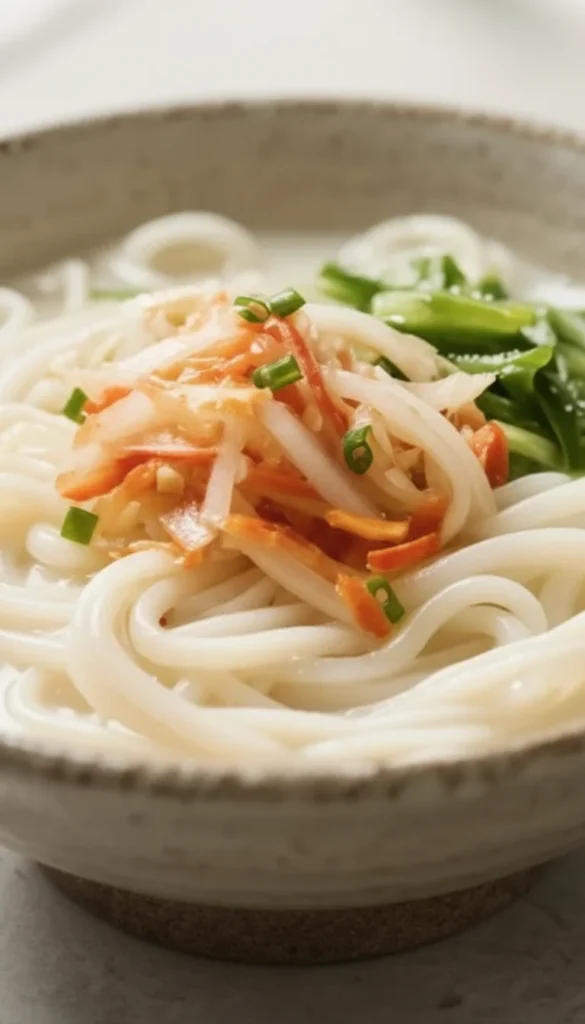
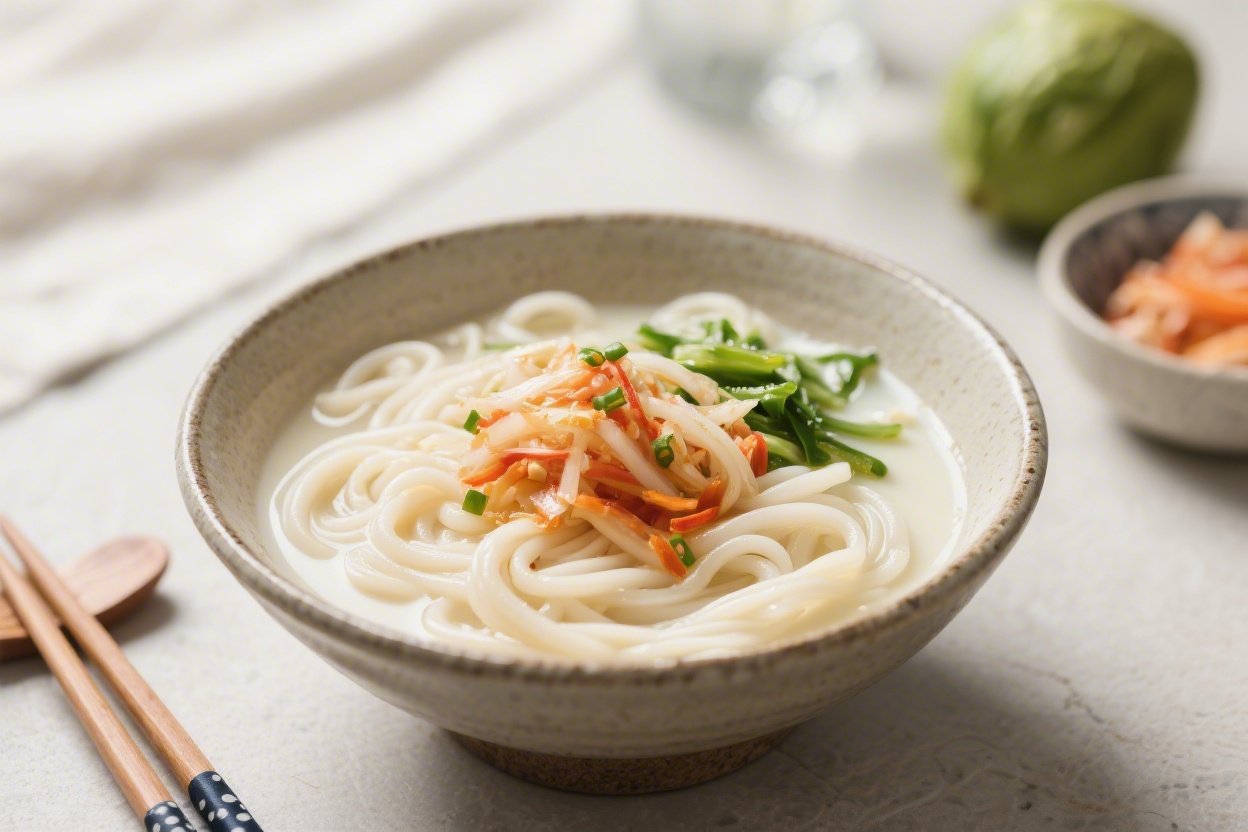
Kongguksu is a classic Korean summer dish: chewy noodles swimming in an icy, savory soy milk broth. It’s creamy without cream, light yet satisfying, and incredibly refreshing on a hot day. If you love chilled noodle bowls like cold soba or sesame noodles, this will be your new warm-weather favorite.
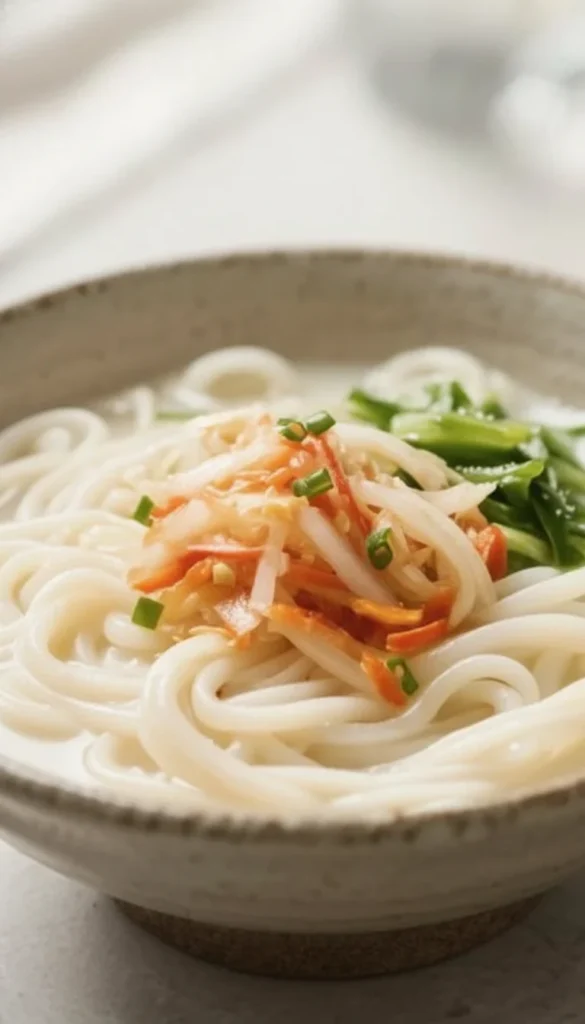
The beauty of kongguksu is its simplicity just a handful of ingredients and a blender. With a few tips, you’ll get a smooth, nutty broth that tastes restaurant-quality at home.
Why This Recipe Works
- Minimal ingredients, maximum flavor: Soybeans, noodles, and a few pantry items create a rich, savory broth.
- Customizable texture: Blend until silky for a latte-smooth broth or leave it slightly rustic for more body.
- Cooling and hydrating: Served ice-cold, it’s perfect for scorching days when you want something light.
- Plant-based and protein-rich: Soybeans provide complete protein without feeling heavy.
- Quick shortcut option: Use unsweetened soy milk to skip soaking and boiling beans when you’re short on time.
Shopping List
- Dried soybeans (yellow soybeans; about 1 cup)
- Somyeon (thin wheat noodles) or somyun; substitute with thin udon, angel hair, or soba
- Cucumber (Persian or English), for garnish
- Toasted sesame seeds
- Salt (fine sea salt preferred)
- Cold water and ice
- Optional flavor boosters: toasted sesame oil, roasted peanuts or cashews (for creaminess), soy sauce
- Shortcut option: unsweetened, unflavored soy milk (preferably “soybeans + water” only)
Step-by-Step Instructions
- Soak the soybeans (overnight): Rinse 1 cup dried soybeans. Cover with plenty of water and soak 8–12 hours.Drain.
- Blanch and peel (optional but recommended): Boil the soaked beans for 5 minutes, drain, then rinse with cold water. Gently rub to loosen skins and discard. Peeling yields a smoother, less beany broth.
- Cook the soybeans fully: Simmer peeled beans in fresh water until tender, 25–35 minutes.They should mash easily. Drain and cool.
- Blend the broth: Add cooked beans to a blender with 1–1.5 cups cold water to start. Blend until silky, 1–2 minutes.Add more cold water until it’s drinkable but creamy, like a light smoothie. Season with 1/2–3/4 teaspoon salt. Chill in the fridge.
- Prepare garnishes: Julienne cucumber.Lightly crush or grind toasted sesame seeds. Keep everything cold.
- Cook the noodles: Boil somyeon per package (usually 3–4 minutes). Stir to prevent clumping.Drain, then rinse under very cold water until bouncy and cool. Rub gently to remove excess starch. Drain well.
- Assemble: Divide noodles into bowls.Pour in chilled soy broth until noodles are just submerged. Add a few ice cubes if it’s a hot day.
- Finish and serve: Top with cucumber and sesame seeds. Taste and adjust salt.For a nutty lift, add a few drops of toasted sesame oil. Serve immediately, very cold.
- Shortcut method: Blend 2–2.5 cups unsweetened soy milk with 1–2 tablespoons toasted sesame seeds, a small handful of soaked cashews or peanuts (optional), and salt to taste. Chill, then proceed from step 6.
How to Store
- Soy broth: Refrigerate in an airtight container for up to 3 days.Stir before using; it may separate.
- Noodles: Best cooked fresh. If storing, rinse with cold water, toss with a splash of cold water before serving to loosen.
- Freezing: Not recommended for the broth or noodles; texture suffers.
- Meal prep tip: Keep broth, noodles, and toppings separate until serving for the best texture.
Health Benefits
- High-quality plant protein: Soy provides all essential amino acids, supporting muscle recovery.
- Heart-friendly fats: Mostly unsaturated fats with zero dairy.
- Low in saturated fat and cholesterol-free: A lighter alternative to cream-based cold noodles.
- Hydrating and electrolyte-friendly: Served cold with a pinch of salt, it helps on hot days.
- Fiber and minerals: Soybeans offer fiber, iron, potassium, and magnesium.
Common Mistakes to Avoid
- Using sweetened soy milk: It will taste dessert-like. Choose unsweetened, unflavored.
- Skipping the cold rinse for noodles: Warm noodles thin the broth and turn gummy.
- Under-seasoning: Cold foods need slightly more salt.Taste and adjust right before serving.
- Too thick or too thin broth: Aim for drinkable creaminess. Add water slowly while blending.
- Not chilling components: Warm broth dulls flavor; keep everything well-chilled and add ice if needed.
Recipe Variations
- Nut-boosted: Blend in a small handful of roasted peanuts or cashews for extra body and a richer nutty note.
- Sesame-forward: Add 1–2 tablespoons tahini or more toasted sesame seeds to deepen the roast flavor.
- Savory umami: A splash of soy sauce or a pinch of mushroom powder adds subtle depth.
- Low-carb: Swap noodles for spiralized cucumber or shirataki noodles.
- Spicy: Drizzle with chili oil or gochugaru-infused sesame oil.
- Traditional garnish: Add tomato wedges, crushed ice, or a few peanuts for texture.
FAQ
Can I use store-bought soy milk?
Yes just make sure it’s unsweetened and unflavored. For best results, pick a brand with only soybeans and water, no vanilla or added sugar.
Do I have to peel the soybeans?
No, but peeling reduces beany flavor and makes the broth smoother. If you skip it, blend longer and consider straining.
What noodles work best?
Somyeon is traditional, but thin udon, soba, or even angel hair can work. Cook just to al dente, then rinse very cold.
How do I make the broth extra smooth?
Use a high-speed blender, add cold water gradually, and blend 1–2 minutes. Strain through a fine mesh sieve or nut milk bag if you want it ultra-silky.
Is kongguksu served sweet or savory?
It’s typically savory with salt, but some families add a pinch of sugar. Season to your taste.
Can I make it gluten-free?
Yes. Use gluten-free noodles such as 100% buckwheat soba or rice noodles, and check that any soy sauce used is gluten-free.
Final Thoughts
Kongguksu proves that simple ingredients can be luxurious when treated right. With a blender, a pot of noodles, and a chill, you’ll have a bowl that’s refreshing, creamy, and comforting all at once. Keep the broth cold, the noodles bouncy, and the seasoning just right. It’s the kind of summer recipe you’ll crave on repeat.
Ingredients
Method
- Soak the soybeans (overnight): Rinse 1 cup dried soybeans. Cover with plenty of water and soak 8–12 hours. Drain.
- Blanch and peel (optional but recommended): Boil the soaked beans for 5 minutes, drain, then rinse with cold water. Gently rub to loosen skins and discard. Peeling yields a smoother, less beany broth.
- Cook the soybeans fully: Simmer peeled beans in fresh water until tender, 25–35 minutes. They should mash easily. Drain and cool.
- Blend the broth: Add cooked beans to a blender with 1–1.5 cups cold water to start. Blend until silky, 1–2 minutes. Add more cold water until it’s drinkable but creamy, like a light smoothie. Season with 1/2–3/4 teaspoon salt. Chill in the fridge.
- Prepare garnishes: Julienne cucumber. Lightly crush or grind toasted sesame seeds. Keep everything cold.
- Cook the noodles: Boil somyeon per package (usually 3–4 minutes). Stir to prevent clumping. Drain, then rinse under very cold water until bouncy and cool. Rub gently to remove excess starch. Drain well.
- Assemble: Divide noodles into bowls. Pour in chilled soy broth until noodles are just submerged. Add a few ice cubes if it’s a hot day.
- Finish and serve: Top with cucumber and sesame seeds. Taste and adjust salt. For a nutty lift, add a few drops of toasted sesame oil. Serve immediately, very cold.
- Shortcut method: Blend 2–2.5 cups unsweetened soy milk with 1–2 tablespoons toasted sesame seeds, a small handful of soaked cashews or peanuts (optional), and salt to taste. Chill, then proceed from step 6.
Printable Recipe Card
Want just the essential recipe details without scrolling through the article? Get our printable recipe card with just the ingredients and instructions.