
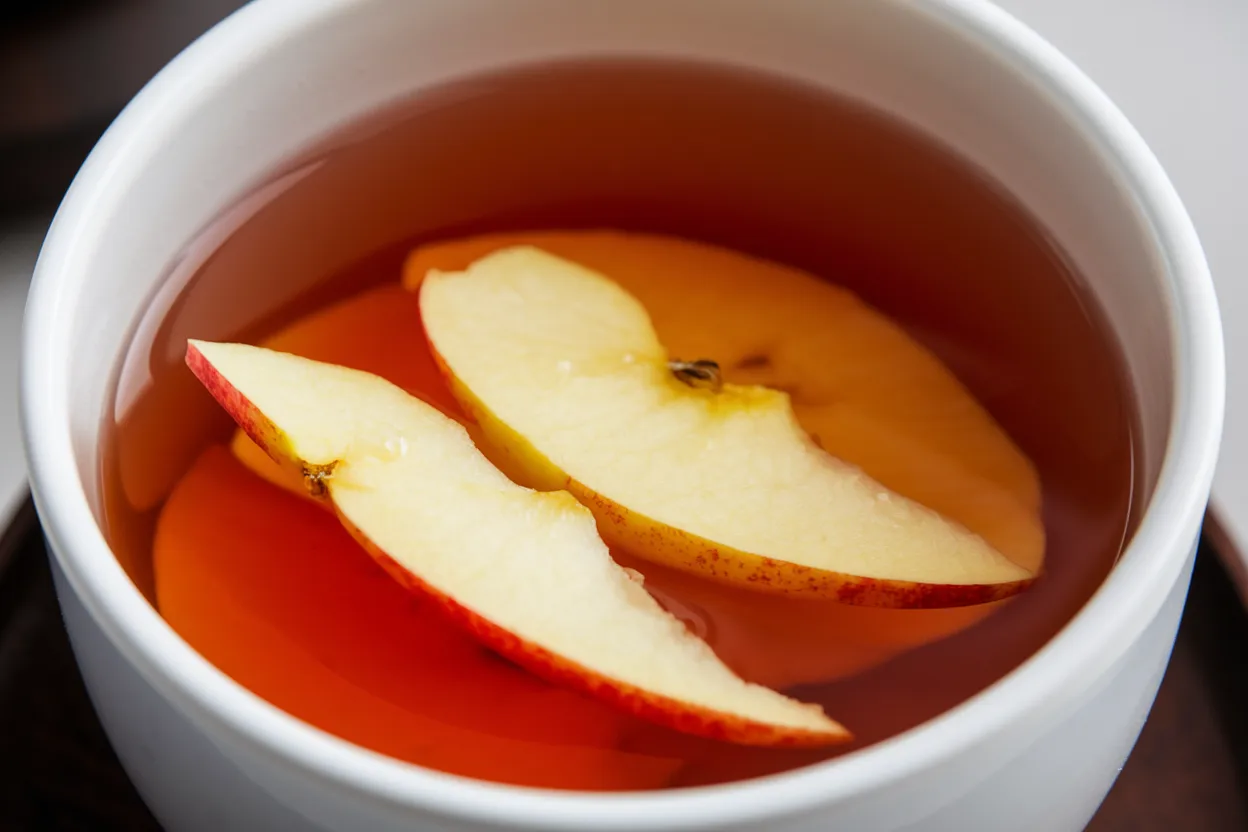
korean Apple Tea
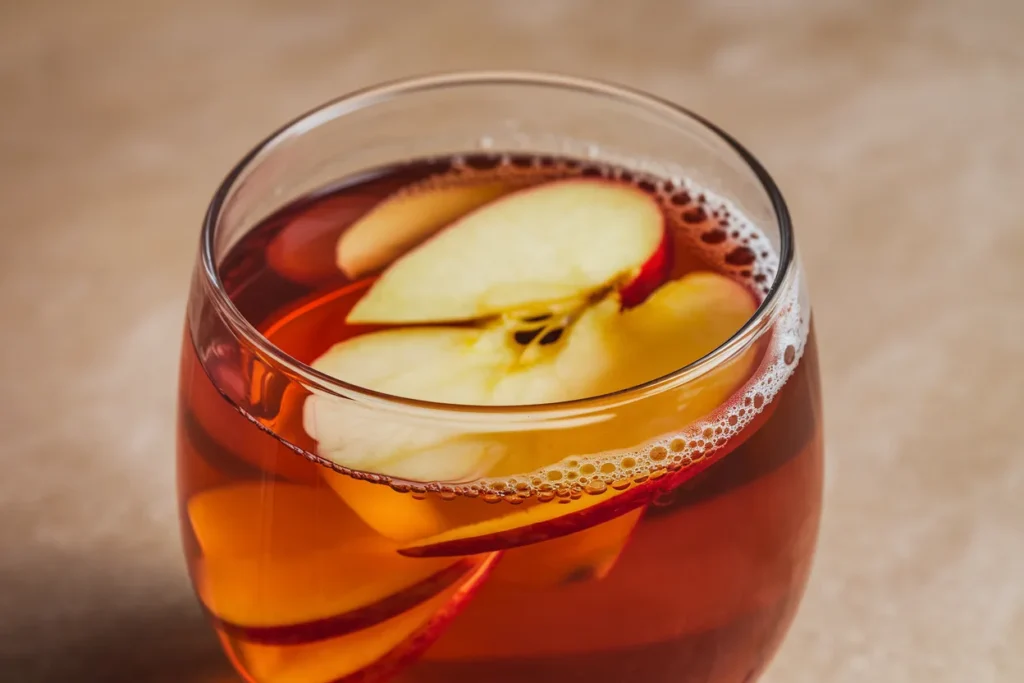
So, you’re tired of the same old tea bag that tastes like lukewarm dust, aren’t you? I feel you. It’s time to level up your cozy game with Korean Apple Tea (known as Saeng-gang Sagwa-cha if you want to sound fancy). This isn’t just “tea”, it’s essentially a liquid hug that smells like a crisp autumn morning and tastes like you actually have your life together. It’s sweet, slightly spicy, and looks gorgeous in a glass. Plus, it’s the perfect way to use up those apples that have been judging you from the fruit bowl for three days.
Why This Recipe is Awesome
This recipe is the ultimate “I’m a domestic deity” hack. It’s ridiculously simple, yet it tastes like something you’d pay twelve dollars for at a boutique cafe in Seoul.
- The “Feel Good” Factor: It’s packed with ginger and honey, making it the ultimate weapon against the “seasonal sniffles.”
- No Waste: You’re using the whole apple—well, except the seeds, unless you’re into that (please don’t be into that).
- House Fragrance: Forget expensive candles. Boiling this on your stove will make your house smell better than a high-end bakery.
- Non-Caffeinated: You can drink this at 10 PM and still sleep like a baby. No 3 AM ceiling-staring sessions here!
Ingredients You’ll Need
Keep it simple. If you have a kitchen, you probably have 80% of this already.
- 2 Large Sweet Apples: Fuji or Honeycrisp are the GOATs here. They hold their sweetness even when they’re being boiled into submission.
- 1-inch Knob of Fresh Ginger: Peeled and sliced. If you like it spicy, go for two inches. If you’re a coward, stick to half an inch.
- 4 cups Water: Filtered is better, but tap is fine—we aren’t snobs.
- 2 tbsp Honey: Or more. Measure with your heart, honestly.
- 1 Cinnamon Stick: For those “main character” vibes and a woody depth.
- A squeeze of Lemon Juice: To keep things bright and stop the apples from looking like they’ve spent too much time in the sun.
- Optional: Pine Nuts: For the authentic Korean garnish. They add a nice little crunch, but no worries if you don’t have them.
Step-by-Step Instructions
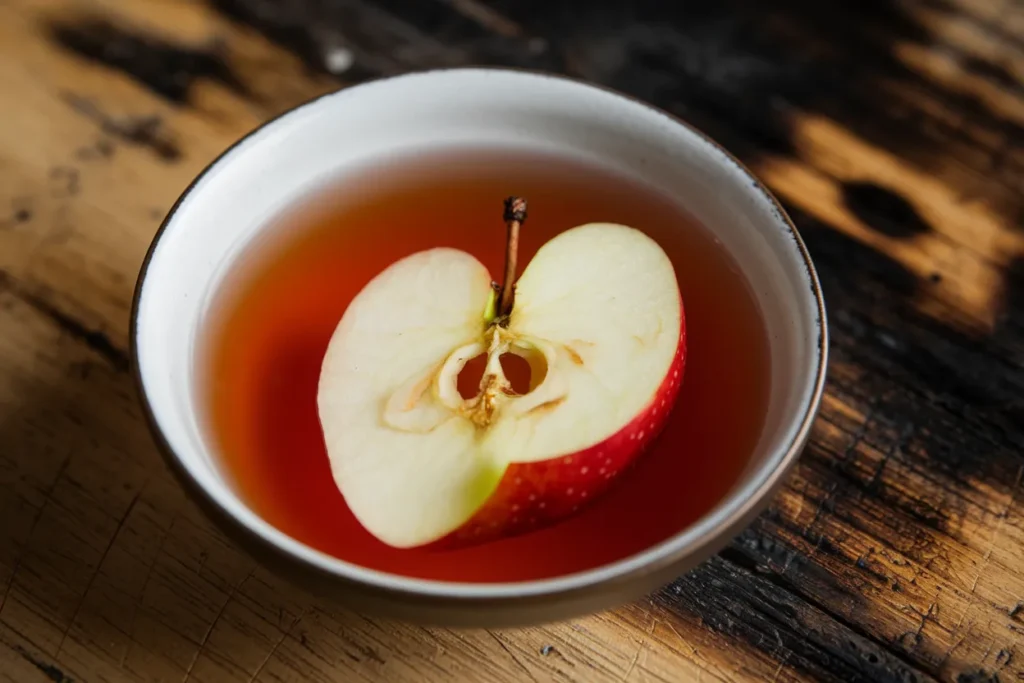
- Prep the Apples: Core the apples and slice them into thin wedges. Keep the skin on! That’s where the color and half the good stuff lives. Give them a quick toss in a tiny bit of lemon juice so they don’t turn brown while you’re working.
- The Ginger Situation: Slice your ginger thinly. You don’t need to be a master sushi chef here; rustic slices are perfectly fine.
- The Big Boil: Toss the apple slices, ginger, and cinnamon stick into a pot with the 4 cups of water. Bring it to a boil, then immediately turn the heat down to a low simmer.
- The Slow Burn: Let it simmer for about 15–20 minutes. You want the apples to become soft and translucent, and the water to take on a beautiful golden hue.
- The Sweetener: Once the tea is done simmering, turn off the heat and stir in your honey. Pro tip: Don’t boil the honey! It kills the healthy enzymes, and we want those.
- The Garnish: Pour it into your favorite mug (you know, the one you don’t let anyone else use). Make sure to include a few slices of the cooked apple—they’re delicious to snack on as you drink.
- Final Touch: Top with a few pine nuts or an extra sprinkle of cinnamon if you’re feeling extra.
Common Mistakes to Avoid
- Boiling on High: If you keep it at a rolling boil, the water will evaporate too fast and the flavor will be harsh. Keep it low and slow, like a Sunday morning.
- Old Ginger: If your ginger looks like a shriveled finger from a mummy, buy fresh. Old ginger loses that zesty “zing” and just tastes like dirt.
- Too Much Cinnamon: One stick is plenty. Any more and your tea will start tasting like a craft store at Christmas.
- Using Tart Apples: Granny Smiths are great for pies, but for tea, they can be a bit too puckery. Stick to the sweeter varieties for that classic Korean flavor profile.
Alternatives & Substitutions
- The “Cheat” Version: If you’re in a massive rush, you can grate the apple and ginger directly into a mug, pour over boiling water, and let it steep. It’s messier, but it works in a pinch.
- Cold Brew: This is actually incredible served over ice. Just make it the same way, let it cool, and pour it into a pitcher. It’s like the best apple juice you’ve ever had.
- Sweetener Swap: If you’re vegan, use agave or maple syrup. Maple actually adds a really interesting “pancake-adjacent” flavor that I’m personally a fan of.
- The “Jujube” Addition: If you can find dried red dates (jujubes) at an Asian market, toss a few in. It’s the traditional way and adds a deep, raisin-like sweetness. IMO, it’s worth the trip.
Final Thoughts
There you have it, Korean Apple Tea that will make you the envy of every person currently drinking a sad, lukewarm beverage. It’s warm, it’s healthy, and it’s the perfect excuse to sit on the couch for twenty minutes and pretend you’re staring pensively out a window in Seoul.
Frequently Asked Questions(FAQs)
What is Korean apple tea?
Korean apple tea is a fragrant, soothing tea made by simmering fresh apples with honey or sugar and sometimes cinnamon. It’s naturally sweet, comforting, and often enjoyed warm, especially during colder months.
Is Korean apple tea the same as apple cinnamon tea?
They’re similar, but Korean apple tea usually has a lighter, cleaner apple flavor and is often sweetened with honey or syrup rather than strong spices. Cinnamon may be added, but it’s typically subtle.
Can I use any type of apple?
Yes, but sweeter varieties like Fuji, Gala, or Honeycrisp work best. They soften nicely when simmered and release natural sweetness into the tea.
Is Korean apple tea served hot or cold?
It’s traditionally served hot, but it can also be chilled and enjoyed cold as a refreshing drink, especially in warmer weather.
Do I need to peel the apples?
Peeling is optional. Leaving the peel on adds color and nutrients, while peeling results in a clearer, smoother tea.
Can Korean apple tea be made without sugar?
Yes. If the apples are sweet enough, you may not need added sugar. Honey can be used for natural sweetness, or the tea can be enjoyed unsweetened.
How long does Korean apple tea last?
It can be stored in the refrigerator for up to 3 days. Reheat gently on the stove or enjoy chilled.
Is Korean apple tea caffeine-free?
Yes, it’s naturally caffeine-free, making it perfect for evening relaxation or for those avoiding caffeine.
Can I add other ingredients to Korean apple tea?
Yes, ginger, jujube, or a touch of lemon can be added for extra flavor and warmth.
Is Korean apple tea good for digestion?
Yes, warm apple tea is gentle on the stomach and can aid digestion while providing hydration and comfort.
Printable Recipe Card
Want just the essential recipe details without scrolling through the article? Get our printable recipe card with just the ingredients and instructions.