
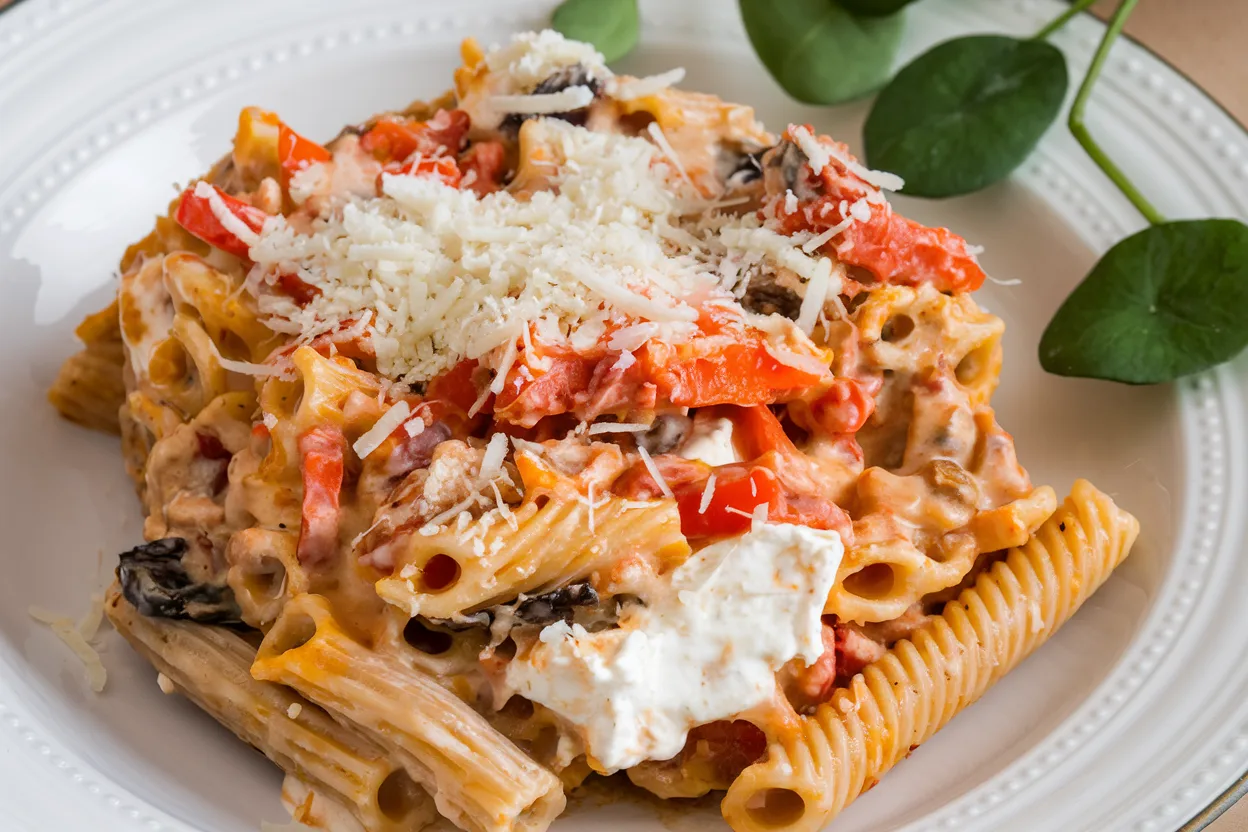
Delicious Protein Pasta Bake Using Cottage Cheese
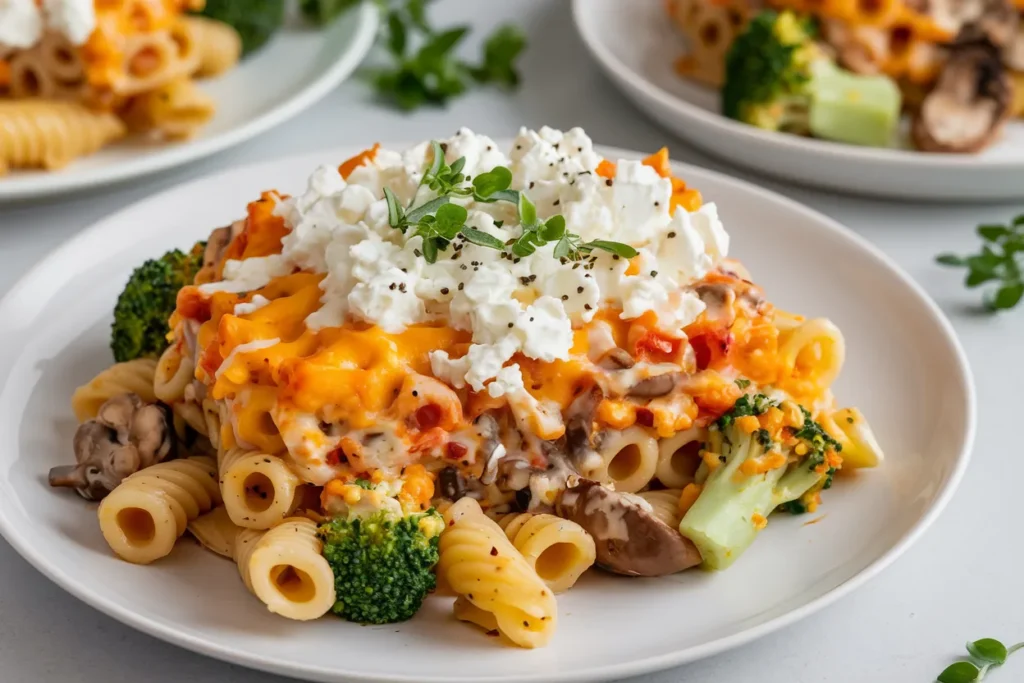
Looking for a comforting, hearty pasta dish that’s high in protein and surprisingly wholesome? This Protein Pasta Bake with Cottage Cheese delivers all the flavors of a classic pasta casserole but with an extra nutritional boost. Soft pasta, creamy cottage cheese, tender vegetables, and a melty golden topping come together in one satisfying dish that’s perfect for family dinners, meal prep, or even a weeknight indulgence that won’t derail your health goals.
Ingredients
- 8 oz (about 2 cups) whole wheat or protein-enriched pasta
- 1 cup cottage cheese, blended smooth
- 1 large egg
- 1 cup cooked lean protein (chicken, turkey, or plant-based alternative), diced
- 1½ cups vegetables (bell peppers, zucchini, spinach, mushrooms), diced or chopped
- 1½ cups tomato-based pasta sauce (marinara or low-sugar preferred)
- 1 teaspoon garlic powder
- 1 teaspoon Italian seasoning
- ½ teaspoon salt, or to taste
- ½ teaspoon black pepper
- 1 cup shredded mozzarella or cheddar cheese (for topping)
- 2 tablespoons grated Parmesan cheese (optional, for topping)
- 1 tablespoon olive oil (for sautéing vegetables, if needed)
Step-by-Step Instructions
Step 1: Cook the Pasta
Start by bringing a large pot of salted water to a boil. Add the pasta and cook it slightly under al dente, about 1–2 minutes less than the package suggests. This ensures the pasta does not overcook during baking. Once cooked, drain the pasta and set it aside in a large mixing bowl.
Step 2: Prepare the Vegetables
While the pasta is cooking, prepare your vegetables. Dice or chop bell peppers, zucchini, mushrooms, or spinach. If you’re using firmer vegetables like zucchini or mushrooms, lightly sauté them in a skillet with a small amount of olive oil over medium heat for 3–4 minutes. This helps release moisture and intensifies flavor. Softer vegetables like spinach can be added directly without sautéing, but they should be chopped and drained if very wet.
Step 3: Cook the Protein
Prepare your protein next. If using chicken or turkey, dice it into bite-sized pieces and cook it in a skillet over medium heat until fully cooked through, seasoning lightly with salt and pepper. Plant-based protein alternatives can be added according to package instructions. Once cooked, let it cool slightly and set aside.
Step 4: Blend the Cottage Cheese Mixture
In a separate bowl, combine the blended cottage cheese with a beaten egg. Add garlic powder, Italian seasoning, salt, and black pepper. Mix well to create a smooth, creamy base. The egg will act as a binder, ensuring the pasta bake holds together while cooking. If desired, stir in a tablespoon of Parmesan cheese for added richness.
Step 5: Combine All Ingredients
Add the cooked pasta, sautéed vegetables, and cooked protein to the cottage cheese mixture. Pour in the tomato sauce and gently fold everything together until the pasta is evenly coated. Taste the mixture and adjust seasoning if needed, adding a pinch of salt, pepper, or Italian herbs. Be careful not to overmix, as this can break up the pasta too much.
Step 6: Assemble in Baking Dish
Preheat your oven to 375°F (190°C). Lightly grease a 9×13-inch baking dish with olive oil or non-stick spray. Transfer the pasta mixture to the baking dish, spreading it evenly. Sprinkle the shredded mozzarella or cheddar cheese evenly over the top, followed by grated Parmesan if using. This layer of cheese will melt into a golden, bubbly topping during baking.
Step 7: Bake the Pasta
Place the dish in the preheated oven and bake for 25–30 minutes. The cheese should be melted, bubbly, and lightly golden on top. You can broil for an additional 2–3 minutes if you prefer a crispier, browned top, but watch closely to avoid burning.
Step 8: Rest and Serve
After baking, allow the pasta to rest for 5 minutes before serving. This helps the bake set slightly, making it easier to cut and serve. Garnish with fresh herbs such as chopped basil or parsley for added color and flavor. Serve warm as a hearty, protein-packed main dish with a side salad or steamed vegetables if desired.
Tips for the Perfect Protein Pasta Bake
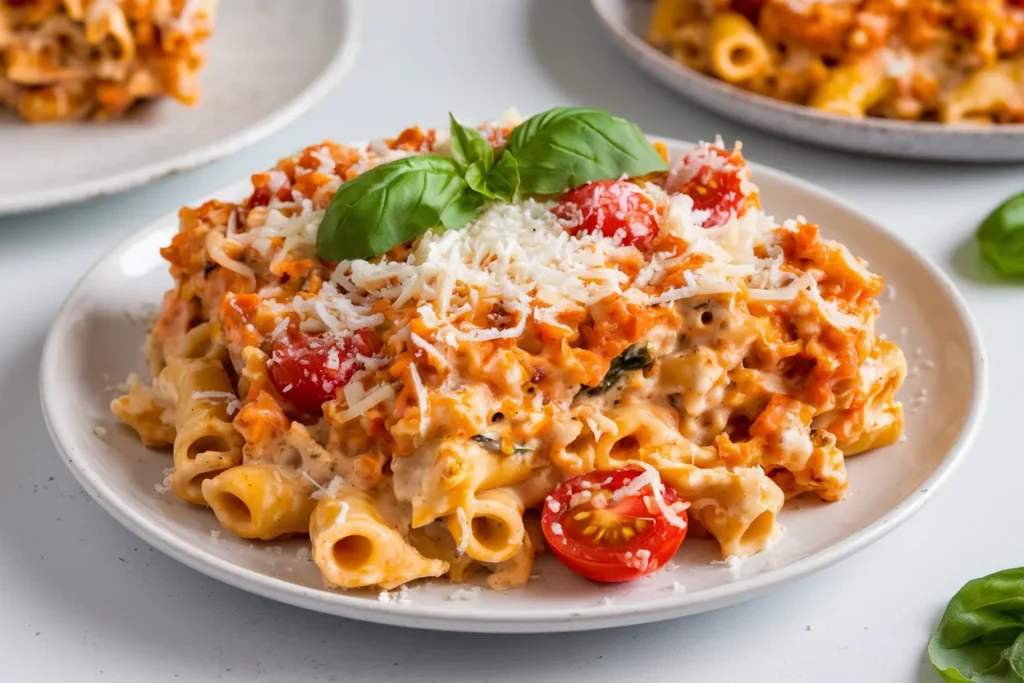
The key to a perfect protein pasta bake is balancing moisture and texture. Make sure to drain pasta and vegetables well to prevent the bake from becoming soggy. Blending cottage cheese slightly before adding it to the pasta ensures a smooth, creamy texture rather than clumpy pockets. You can also mix in some Greek yogurt for extra creaminess without adding too many calories.
Variations
This pasta bake is highly versatile. For a vegetarian version, skip the meat and add extra vegetables like eggplant, broccoli, or spinach. For a low-carb version, substitute zucchini noodles or shirataki pasta for traditional pasta. You can also experiment with different sauces, such as pesto or a light béchamel, to suit your taste. Spicy lovers can add red pepper flakes, while those who prefer a milder flavor can stick to Italian herbs and garlic.
Storage and Meal Prep
Protein pasta bakes are ideal for meal prep. Allow the bake to cool completely, then store in an airtight container in the fridge for up to 4 days. Reheat in the oven or microwave until warm. For longer storage, freeze individual portions in freezer-safe containers for up to 2 months. When ready to eat, thaw overnight in the fridge and reheat.
Nutritional Benefits
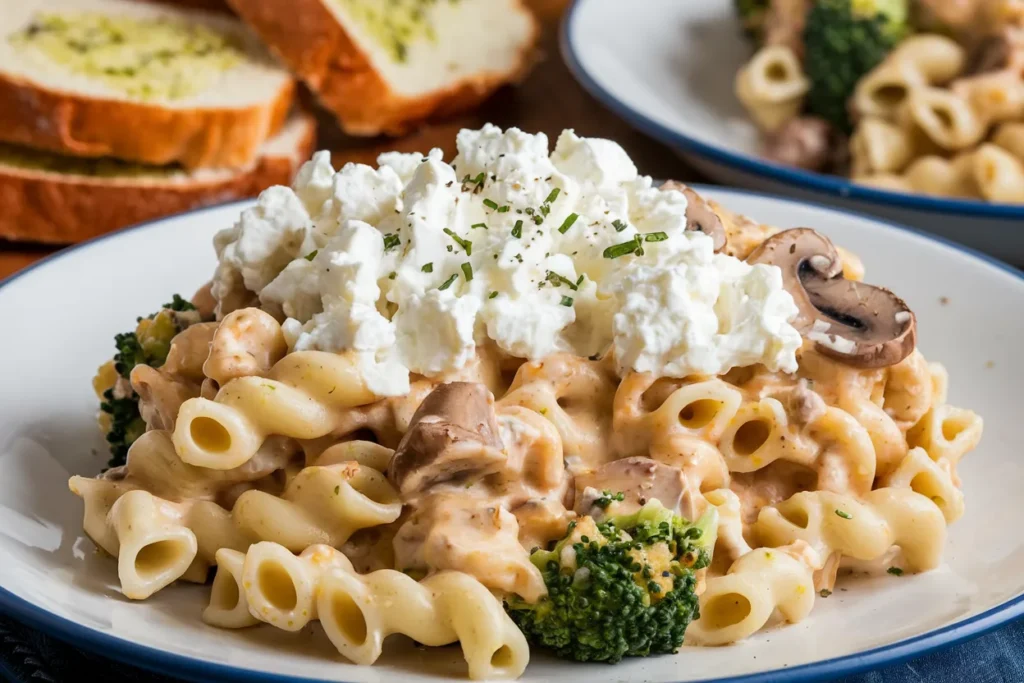
This cottage cheese pasta bake is high in protein, providing muscle-satisfying nutrients from both the cottage cheese and lean protein. Using whole wheat or protein pasta increases fiber content, which helps with digestion and satiety. The combination of vegetables and herbs adds vitamins, minerals, and antioxidants, making this dish both indulgent and nourishing.
Conclusion
A Protein Pasta Bake Using Cottage Cheese is the perfect way to enjoy a hearty, comforting meal while keeping your nutrition in check. With soft pasta, creamy cottage cheese, savory vegetables, and a melty cheesy topping, it’s a dish that pleases both the palate and the body. The best part is how versatile it is, you can change the protein, vegetables, or seasonings to suit your family’s tastes, making it a go-to recipe for weeknight dinners, meal prep, or even special occasions.
Frequently Asked Questions(FAQs)
Does the cottage cheese taste in the pasta bake?
Not at all. When blended smooth and combined with the tomato sauce, pasta, and seasonings, the cottage cheese loses its curd texture and mild flavor. Instead, it creates a creamy, protein-rich base that makes each bite tender and indulgent without tasting like plain cottage cheese.
Can I make this pasta bake vegetarian?
Absolutely. You can skip the chicken or turkey and add extra vegetables or a plant-based protein alternative such as tofu, tempeh, or chickpeas. The cottage cheese adds plenty of protein, so the dish remains filling even without meat.
Can I use low-fat cottage cheese instead of full-fat?
Yes, low-fat cottage cheese works well, though full-fat cottage cheese will provide a richer, creamier texture. Blending it thoroughly ensures the smoothest consistency regardless of fat content.
Is this pasta bake high in protein?
Yes. Between the cottage cheese, eggs, protein-enriched pasta, and meat or plant-based protein, each serving contains a significant amount of protein, making it a satisfying meal for families, athletes, or anyone looking for a nutrient-dense comfort dish.
Can I make this dish ahead of time?
Definitely. You can assemble the pasta bake up to a day in advance and refrigerate it before baking. Simply cover the dish and store it in the fridge, then bake as instructed, adding a few extra minutes to ensure it’s heated through.
How long does this pasta bake last in the fridge?
When stored in an airtight container, leftovers keep well for up to 4 days. Reheat in the oven or microwave until warm. For best texture, avoid reheating in the microwave for too long, as it may dry out the pasta slightly.
Can I freeze this pasta bake?
Yes, this dish freezes very well. Divide it into individual portions or freeze the whole casserole before baking. Thaw overnight in the fridge and bake or reheat until hot and bubbly. Freezing may slightly change the texture of the cheese, but the flavor remains delicious.
Can I use regular pasta instead of protein-enriched pasta?
Yes. Whole wheat pasta is a great option for added fiber, but any type of pasta will work. Using protein-enriched pasta boosts the overall protein content without changing the flavor.
Can I make this pasta bake gluten-free?
Yes, simply substitute the pasta with a gluten-free variety. Make sure to check that any sauce or seasoning you use is also gluten-free. You may need to slightly adjust cooking times, as gluten-free pasta sometimes behaves differently when baked.
What vegetables work best in this bake?
This dish is highly versatile. Bell peppers, zucchini, spinach, mushrooms, broccoli, or cherry tomatoes all work well. Firmer vegetables like zucchini or mushrooms should be lightly sautéed to prevent excess moisture, while softer vegetables like spinach can be added raw if chopped and drained.
Can I add extra cheese on top?
Absolutely. Adding shredded mozzarella, cheddar, or Parmesan on top gives a golden, bubbly crust. For a more indulgent finish, you can also mix some cheese into the cottage cheese mixture for a creamier interior.
Is this recipe kid-friendly?
Yes. The flavors are mild, creamy, and comforting, and most kids enjoy pasta bakes. You can hide extra vegetables in the mix for a sneaky nutritional boost.
Can I make it spicy?
Yes, add a pinch of red pepper flakes to the cottage cheese mixture or stir in a dash of hot sauce to the tomato sauce for a subtle kick. Adjust the spice level according to taste.
Printable Recipe Card
Want just the essential recipe details without scrolling through the article? Get our printable recipe card with just the ingredients and instructions.