
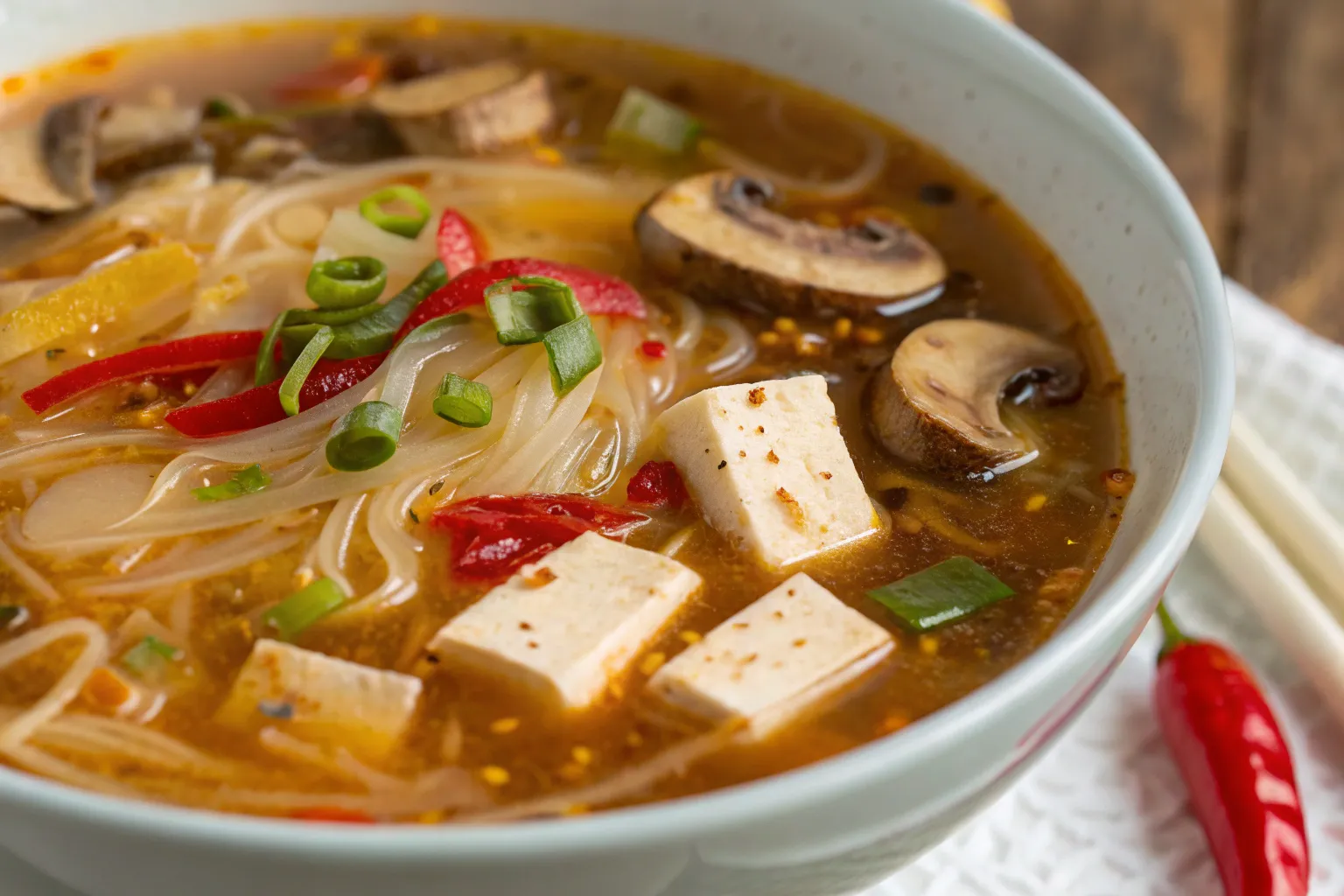
Hot and Sour Soup: A Comforting Classic with a Kick
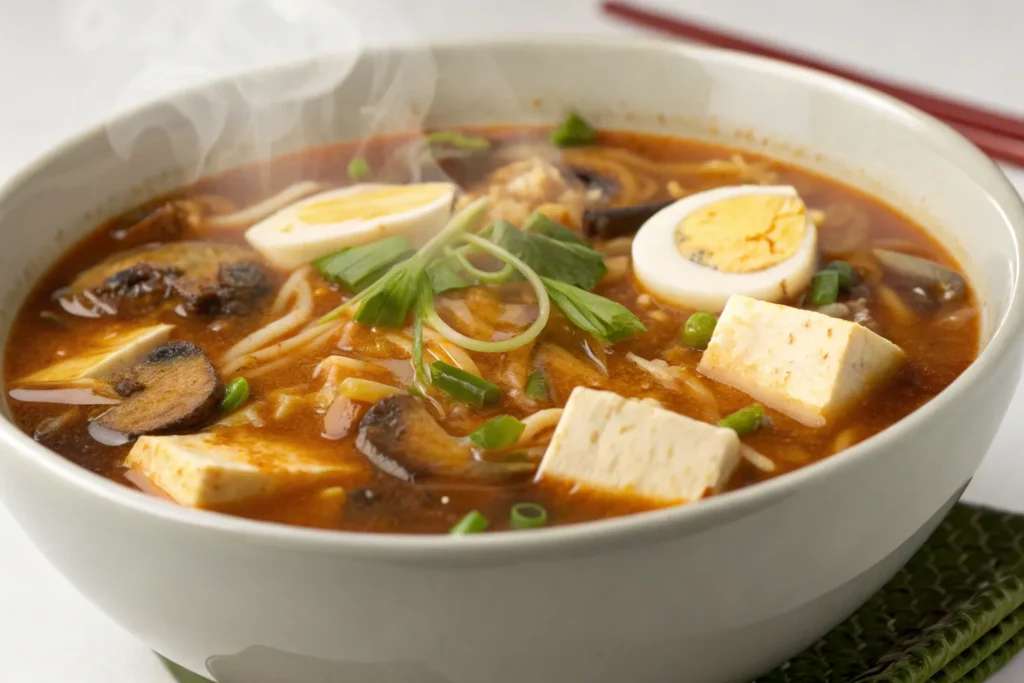
Few soups can match the bold, tantalizing flavors of hot and sour soup. With its perfect balance of spicy heat, tangy vinegar, and savory umami, this Chinese classic is both comforting and invigorating. Traditionally served as an appetizer in Chinese cuisine, hot and sour soup has found a place in kitchens worldwide, thanks to its warming broth and versatile ingredients. Whether you’re craving a light, warming soup on a cold day, or a flavor-packed starter for an Asian-inspired dinner, this hot and sour soup recipe will satisfy every craving.
A Brief History of Hot and Sour Soup
Hot and sour soup originates from Sichuan and Hunan provinces in China, regions known for their bold flavors and spicy cuisine. The “hot” refers to chili and white pepper, while the “sour” comes from rice vinegar or black vinegar. Over the years, the soup has evolved into many versions, including vegetarian, chicken, and pork varieties. The essence, however, remains the same: a balanced, warming broth that excites the taste buds.
Why You’ll Love Hot and Sour Soup
It’s the perfect starter or light meal and can even be a healthy alternative to heavy comfort foods, as it’s low in calories and packed with vegetables. Hot and sour soup is more than just an appetizer, it’s a flavor explosion in a bowl:
- Spicy and tangy: A lively combination of chili heat and vinegar tang.
- Rich in texture: Silky tofu, tender mushrooms, and crisp bamboo shoots add delightful layers.
- Customizable: Make it vegetarian, vegan, or add chicken or pork for protein.
- Quick and easy: Most recipes can be prepared in under 30 minutes.
Ingredients You’ll Need
This combination of ingredients gives the soup its signature hot, sour, and savory flavor, along with a pleasant mix of textures. For a classic hot and sour soup serving 4–6:
- 4 cups chicken or vegetable broth
- 1/2 cup sliced shiitake mushrooms (or button mushrooms)
- 1/2 cup bamboo shoots, thinly sliced
- 1/2 cup firm tofu, cut into small cubes
- 1/2 cup cooked shredded chicken (optional)
- 2 tablespoons soy sauce
- 2 tablespoons rice vinegar or black vinegar
- 1 teaspoon chili paste or Sriracha (adjust to taste)
- 1 teaspoon white pepper
- 2 teaspoons cornstarch mixed with 2 tablespoons water (slurry)
- 1 egg, lightly beaten
- 2 cloves garlic, minced
- 1 teaspoon grated ginger
- 2 green onions, sliced, for garnish
- Optional: sesame oil for finishing
Step-by-Step Instructions
Step 1: Prepare the Broth
In a medium saucepan, bring chicken or vegetable broth to a gentle boil. Add garlic and ginger, allowing them to infuse the broth with aromatic flavor.
Step 2: Add Vegetables and Protein
Add mushrooms, bamboo shoots, tofu, and chicken if using. Simmer for 5–7 minutes until the vegetables are tender and the chicken is warmed through.
Step 3: Season the Soup
Stir in soy sauce, rice vinegar, chili paste, and white pepper. Taste and adjust the balance of hot and sour to your preference. The soup should have a delightful interplay of spicy and tangy notes.
Step 4: Thicken the Broth
Slowly pour the cornstarch slurry into the simmering soup while stirring continuously. The soup will thicken slightly, giving it a silky, luxurious texture without being too heavy.
Step 5: Add the Egg
Drizzle the lightly beaten egg into the soup in a thin stream while stirring gently to create delicate egg ribbons. This adds richness and a lovely silky texture.
Step 6: Finish and Garnish
Turn off the heat and drizzle a small amount of sesame oil for extra depth of flavor. Garnish with sliced green onions and serve hot.
Tips for the Best Hot and Sour Soup
- Balance the flavors: Adjust chili paste and vinegar gradually; you can always add more heat or acidity.
- Use fresh mushrooms: Shiitake mushrooms give the best umami flavor, but any firm mushrooms work.
- Silken vs firm tofu: Firm tofu works best to maintain shape, while silken tofu gives a smoother texture.
- Make it vegetarian: Skip chicken and use vegetable broth, with tofu and mushrooms for protein.
- Cornstarch slurry: Make sure to stir continuously while adding to prevent lumps.
Variations to Try
- Seafood hot and sour soup: Add shrimp or scallops for a seafood twist.
- Spicy version: Add crushed red pepper flakes or more Sriracha for a fiery kick.
- Tangy twist: Mix in a teaspoon of lemon juice for a fresh, citrusy zing.
- Instant pot version: Make it in the pressure cooker for a faster, hands-off approach.
Serving Suggestions
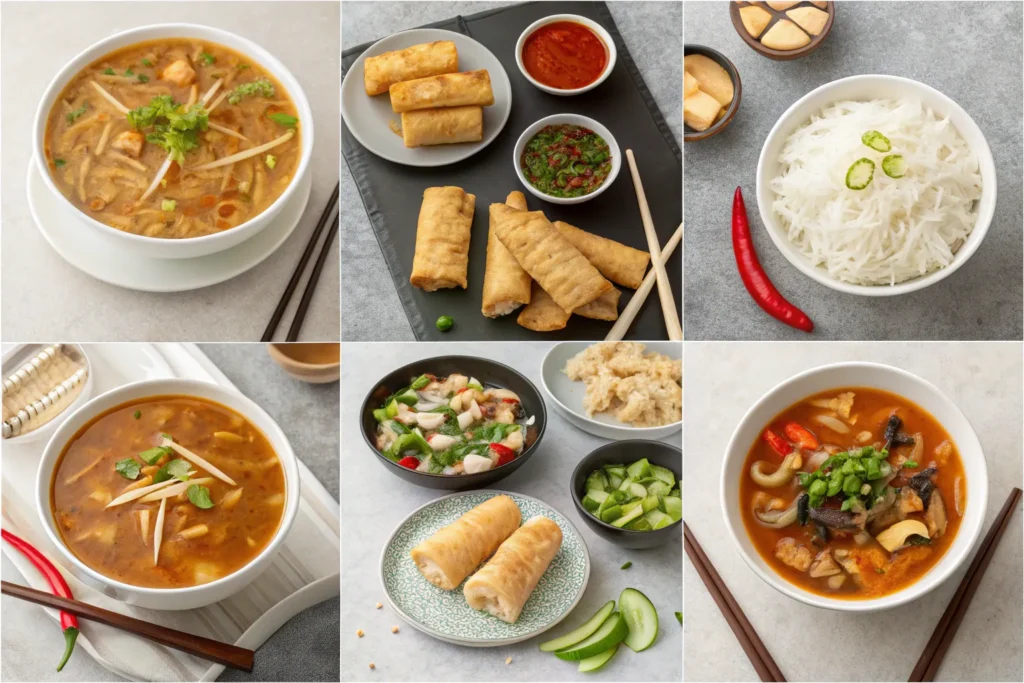
Hot and sour soup pairs beautifully with steamed rice, fried rice, or noodles. It’s also an excellent starter for a multi-course Asian dinner. Serve with spring rolls, dumplings, or stir-fried vegetables to make a full, satisfying meal.
Conclusion
Hot and sour soup is a timeless comfort dish that delivers bold flavors and soothing warmth in every spoonful. Whether you make it spicy, mild, vegetarian, or with chicken, it’s versatile enough to suit any palate. With its combination of tangy, spicy, and savory notes, this soup works as a standalone meal or a flavorful starter for a larger dinner. Next time you crave a bowl of something comforting and invigorating, try this hot and sour soup recipe, it’s quick, easy, and packed with flavor, guaranteed to become a family favorite.
FAQs
Is hot and sour soup spicy?
Yes, traditional hot and sour soup has a spicy kick from white pepper and chili paste. The heat can be adjusted to taste by reducing or increasing chili paste or Sriracha.
Can I make it vegetarian or vegan?
Absolutely. Use vegetable broth and skip any meat. Tofu provides protein, and mushrooms enhance the umami flavor, creating a hearty, plant-based soup.
What’s the difference between hot and sour soup and other Chinese soups?
Hot and sour soup is unique because of its dual flavor profile: spicy and tangy. Many other Chinese soups are either mild, sweet, or savory, but hot and sour soup balances heat, sourness, and umami.
Can I freeze hot and sour soup?
It’s best eaten fresh because tofu and vegetables may change texture when frozen. If necessary, freeze only the broth and reheat with fresh tofu and vegetables added later.
What type of vinegar should I use?
Rice vinegar is common for a milder tang, while black vinegar provides a deeper, richer flavor. Adjust according to preference.
Can I make it thicker without cornstarch?
Yes, you can use arrowroot powder or potato starch as a thickener. Alternatively, simmering slightly longer will naturally reduce the soup.
How do I store leftovers?
Store in an airtight container in the refrigerator for up to 3 days. Reheat gently on the stove, adding a splash of water or broth if needed.
Can I add noodles?
Yes, add cooked noodles such as rice noodles or glass noodles to make a more filling meal. Add them just before serving to maintain texture.
Is hot and sour soup healthy?
Yes. It’s low in calories, high in protein (from tofu or chicken), and rich in vitamins and minerals from mushrooms, bamboo shoots, and other vegetables. Adjust oil and sodium for an even healthier version.
What makes the soup “hot and sour”?
The “hot” comes from chili paste or white pepper, while the “sour” comes from vinegar. Together with soy sauce and broth, they create the soup’s distinctive tangy, spicy, umami flavor.
Printable Recipe Card
Want just the essential recipe details without scrolling through the article? Get our printable recipe card with just the ingredients and instructions.