
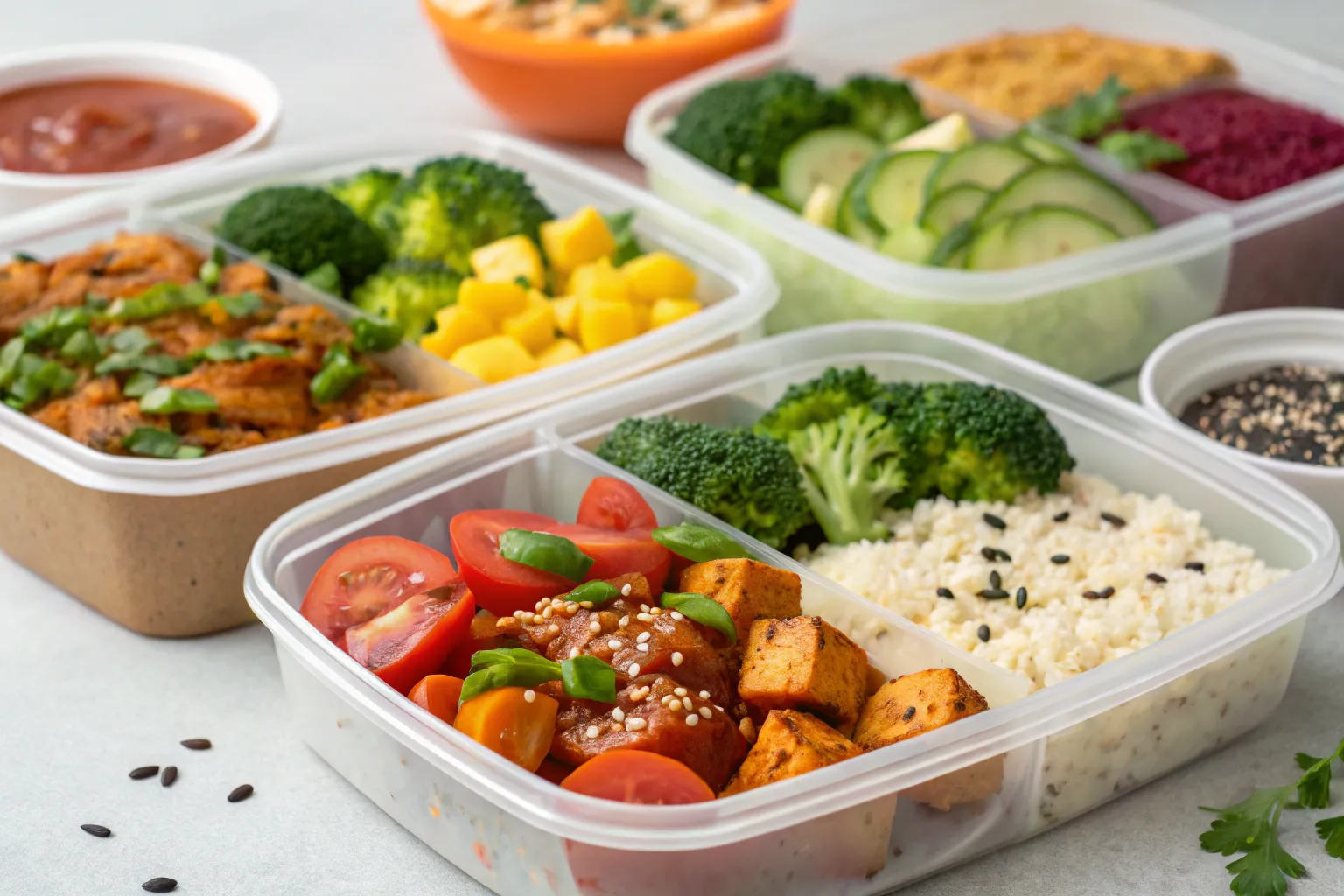
5+ Delicious Meal Prep Recipes with Probiotics & Prebiotics
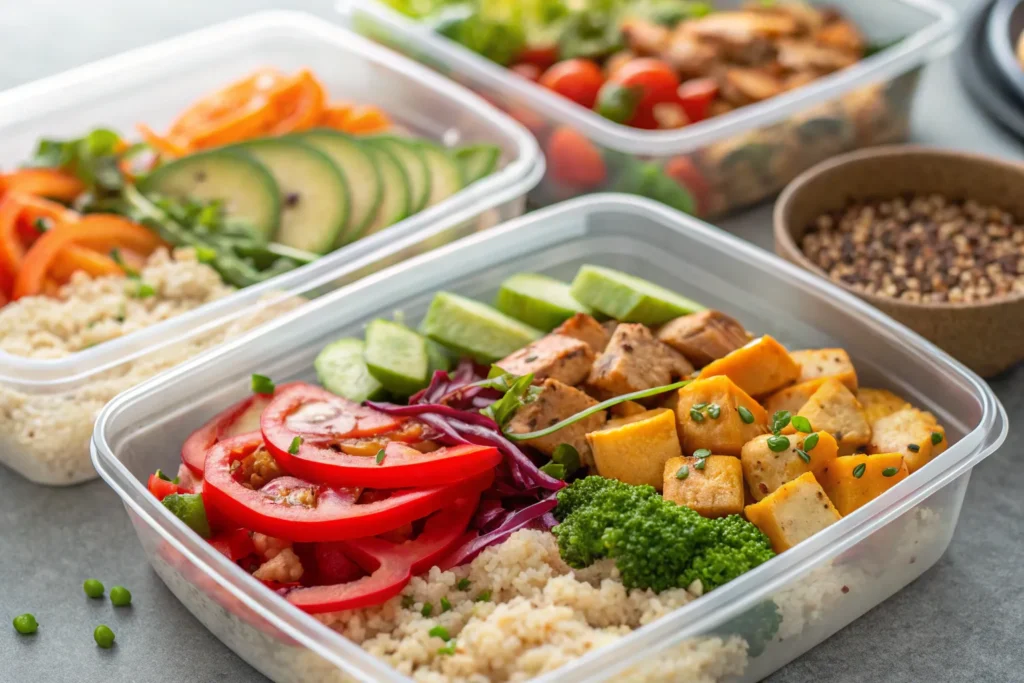
Gut health plays a powerful role in digestion, immunity, energy levels, and even mood. One of the best ways to support a healthy gut is by regularly eating foods rich in probiotics and prebiotics. The good news? You don’t need complicated supplements or boring meals to do it. These meal prep–friendly recipes are packed with gut-loving ingredients while still being flavorful, filling, and easy to prepare ahead of time. Whether you’re planning lunches for the week or balanced dinners, these dishes make it simple to nourish your microbiome consistently.
Probiotics vs. Prebiotics: What’s the Difference?
Before diving into the recipes, it helps to understand how these two work together. Together, they form a synbiotic combination that strengthens gut health more effectively than either alone.
- Probiotics are beneficial live bacteria found in fermented foods like yogurt, kefir, sauerkraut, kimchi, miso, and tempeh. They help balance gut bacteria and support digestion.
- Prebiotics are fibers that feed those good bacteria. Foods like garlic, onions, leeks, oats, bananas, asparagus, and legumes help probiotics thrive.
Why Meal Prep with Gut-Healthy Foods?
Meal prepping probiotic- and prebiotic-rich foods allows you to maintain gut health even on your busiest days.
- Ensures consistent gut support throughout the week
- Saves time and reduces stress
- Encourages balanced, nutrient-dense meals
- Helps reduce bloating and digestive discomfort
- Makes healthy eating more sustainable
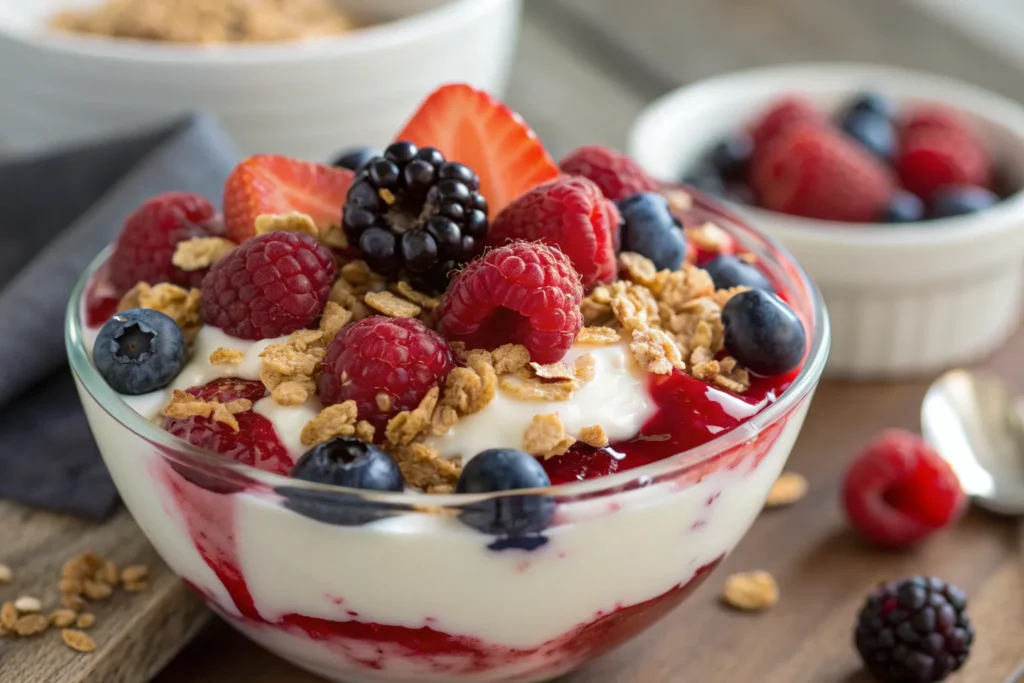
1. Greek Yogurt & Berry Breakfast Parfaits
Why it’s great:
Greek yogurt is rich in probiotics, while berries and oats provide prebiotic fiber.
Key Ingredients:
- Plain Greek yogurt
- Mixed berries
- Rolled oats or granola
- Chia seeds
- Honey or maple syrup
Meal Prep Tip:
Assemble in jars for 4–5 days of grab-and-go breakfasts. Keep granola separate until serving to maintain crunch.
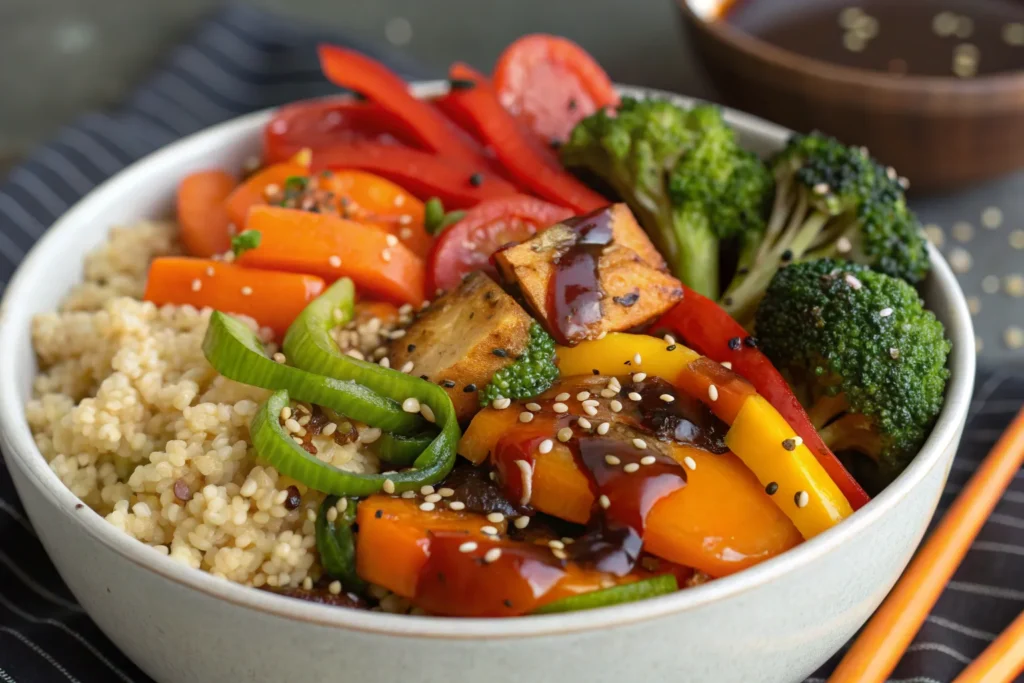
2. Miso Roasted Vegetable Grain Bowls
Why it’s great:
Miso is a fermented probiotic food, while vegetables like onions, garlic, and asparagus deliver prebiotics.
Key Ingredients:
- Brown rice or quinoa
- Roasted broccoli, carrots, and onions
- White or yellow miso paste
- Olive oil and sesame oil
- Green onions
Meal Prep Tip:
Roast vegetables and cook grains ahead of time. Add miso dressing just before eating to preserve probiotic benefits.
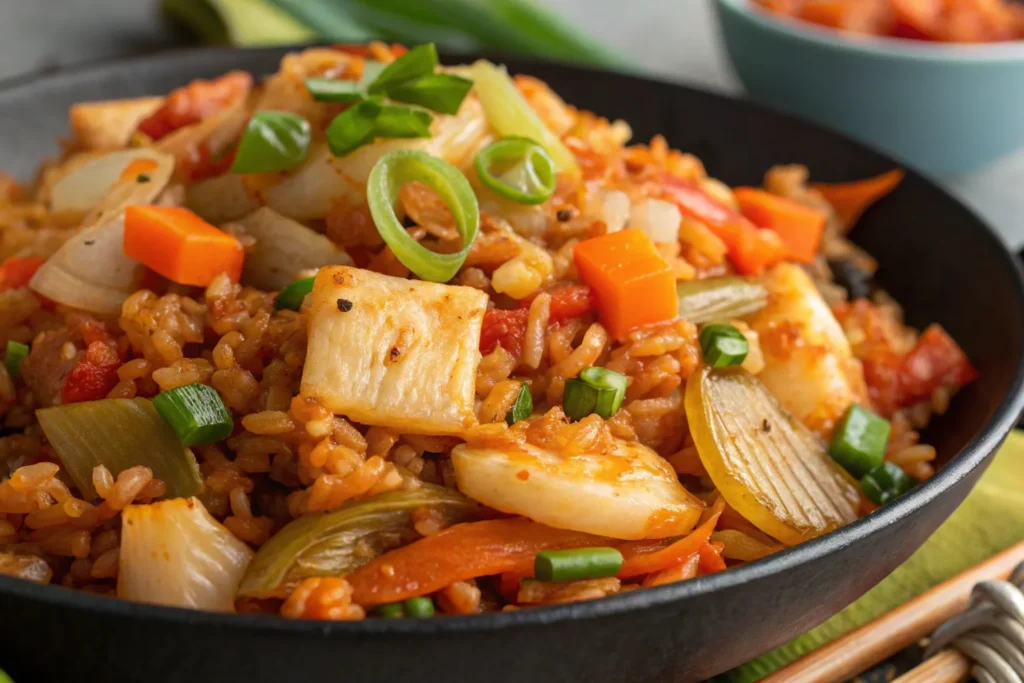
3. Kimchi Fried Rice with Vegetables
Why it’s great:
Kimchi offers probiotics, and rice with vegetables like leeks and peas provides prebiotic fiber.
Key Ingredients:
- Cooked rice (day-old works best)
- Kimchi
- Garlic and onions
- Eggs or tofu
- Sesame oil
Meal Prep Tip:
Store in airtight containers for up to 4 days. Reheat gently to avoid overheating the kimchi.
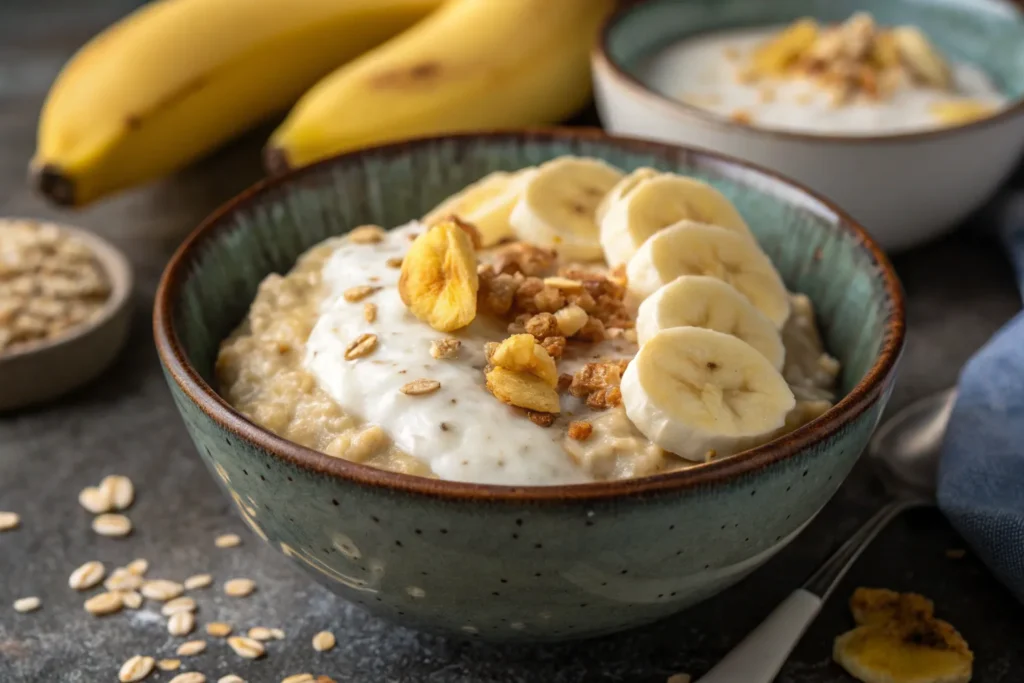
4. Overnight Oats with Kefir & Banana
Why it’s great:
Kefir is a powerful probiotic, and bananas and oats are excellent prebiotic foods.
Key Ingredients:
- Kefir (plain or lightly flavored)
- Rolled oats
- Banana slices
- Flaxseeds
- Cinnamon
Meal Prep Tip:
Prepare 3–5 jars at once. These keep well in the fridge and get creamier overnight.
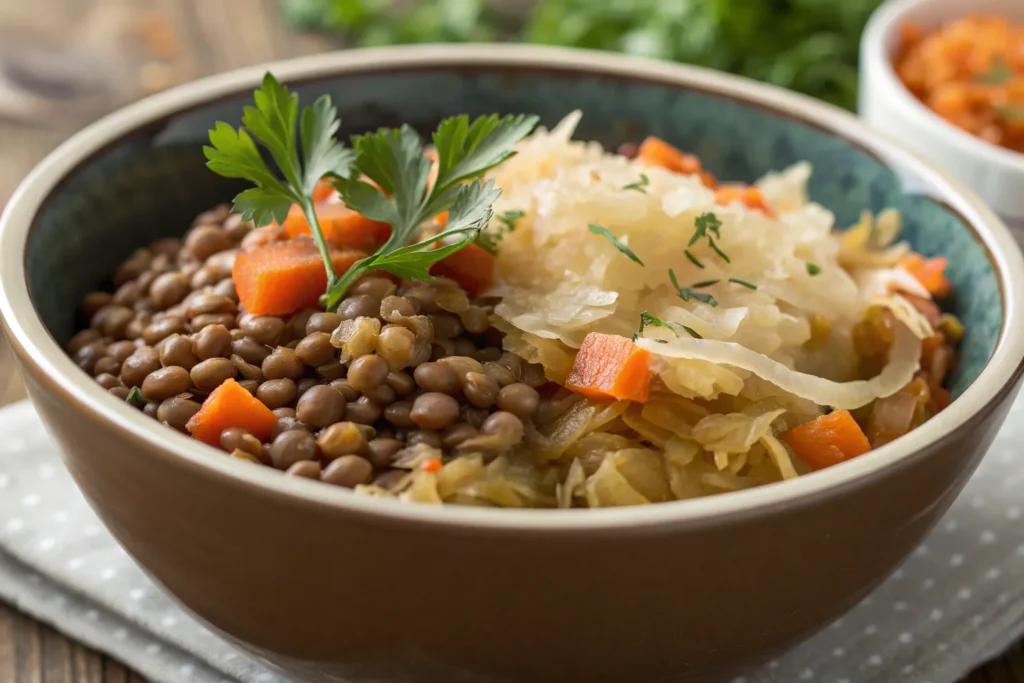
5. Lentil & Sauerkraut Power Bowls
Why it’s great:
Lentils supply prebiotic fiber, while sauerkraut adds live probiotics.
Key Ingredients:
- Cooked green or brown lentils
- Sauerkraut (unpasteurized)
- Roasted sweet potatoes
- Spinach or kale
- Olive oil and mustard dressing
Meal Prep Tip:
Store sauerkraut separately and add it cold just before eating to preserve beneficial bacteria.
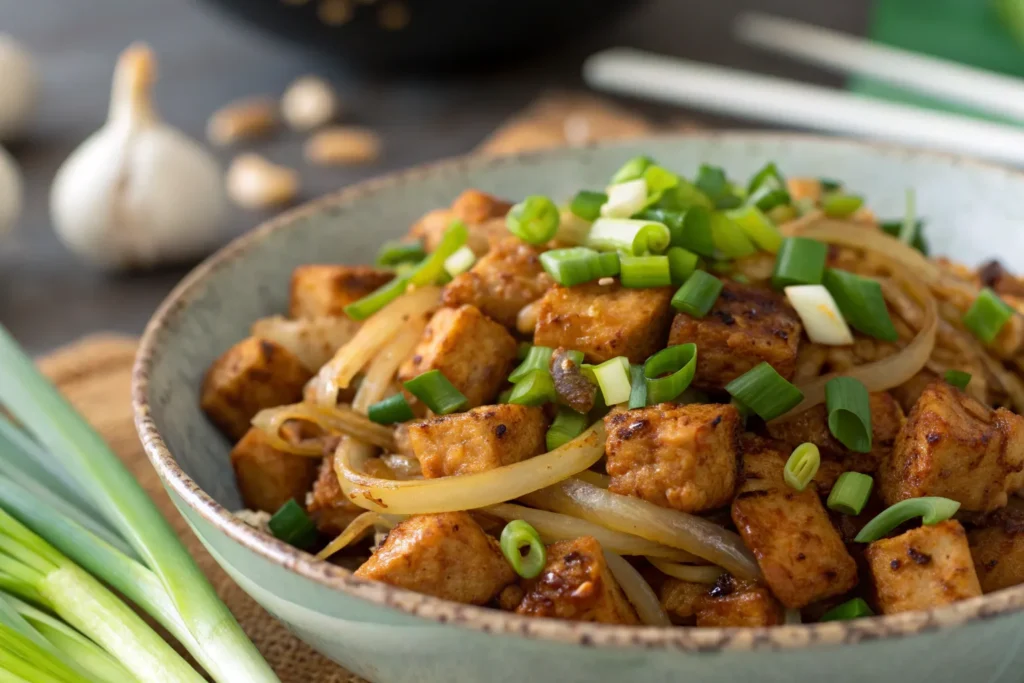
6. Tempeh Stir-Fry with Garlic & Leeks
Why it’s great:
Tempeh is a fermented soybean product rich in probiotics, and garlic and leeks provide strong prebiotic support.
Key Ingredients:
- Tempeh
- Bell peppers
- Garlic and leeks
- Tamari or soy sauce
- Brown rice
Meal Prep Tip:
Steam tempeh briefly before cooking to improve flavor and digestibility.
Tips for Cooking with Probiotics
- Avoid high heat when possible, many probiotics are heat-sensitive
- Add fermented foods at the end of cooking or as toppings
- Choose unpasteurized fermented foods for maximum benefit
- Pair probiotics with fiber-rich foods for best results
How Long Do These Meals Last?
Most of these meal prep recipes keep well for 3–5 days in the refrigerator when stored in airtight containers. Fermented foods should always be added fresh or stored separately to maintain their probiotic content.
Who Should Eat Probiotic & Prebiotic Meals?
- Anyone experiencing digestive issues or bloating
- People looking to boost immunity
- Those following wellness or gut-healing diets
- Busy individuals wanting nutritious meal prep options
- Anyone aiming for long-term health through food
Conclusion
Supporting gut health doesn’t require drastic changes, just intentional, consistent meals made with the right ingredients. These 5+ delicious meal prep recipes with probiotics and prebiotics make it easy to nourish your digestive system while still enjoying flavorful, satisfying food. By combining fermented foods with fiber-rich ingredients, you create meals that fuel beneficial bacteria, improve digestion, and support overall well-being. With smart meal prep, gut-friendly eating becomes effortless, sustainable, and delicious. Your gut will thank you, one meal at a time. 🥗🦠✨
Frequently Asked Questions(FAQs0
Can I eat probiotic foods every day?
Yes, daily consumption is beneficial for maintaining healthy gut bacteria.
Do probiotics survive cooking?
Most do not. It’s best to add probiotic foods after cooking or consume them raw.
What’s the best time to eat probiotic meals?
Any time of day works, but pairing them with meals improves survival through digestion.
Can kids eat these meals?
Yes, most probiotic foods like yogurt and kefir are kid-friendly.
Are supplements better than food sources?
Whole foods provide additional nutrients and fiber that supplements lack.