
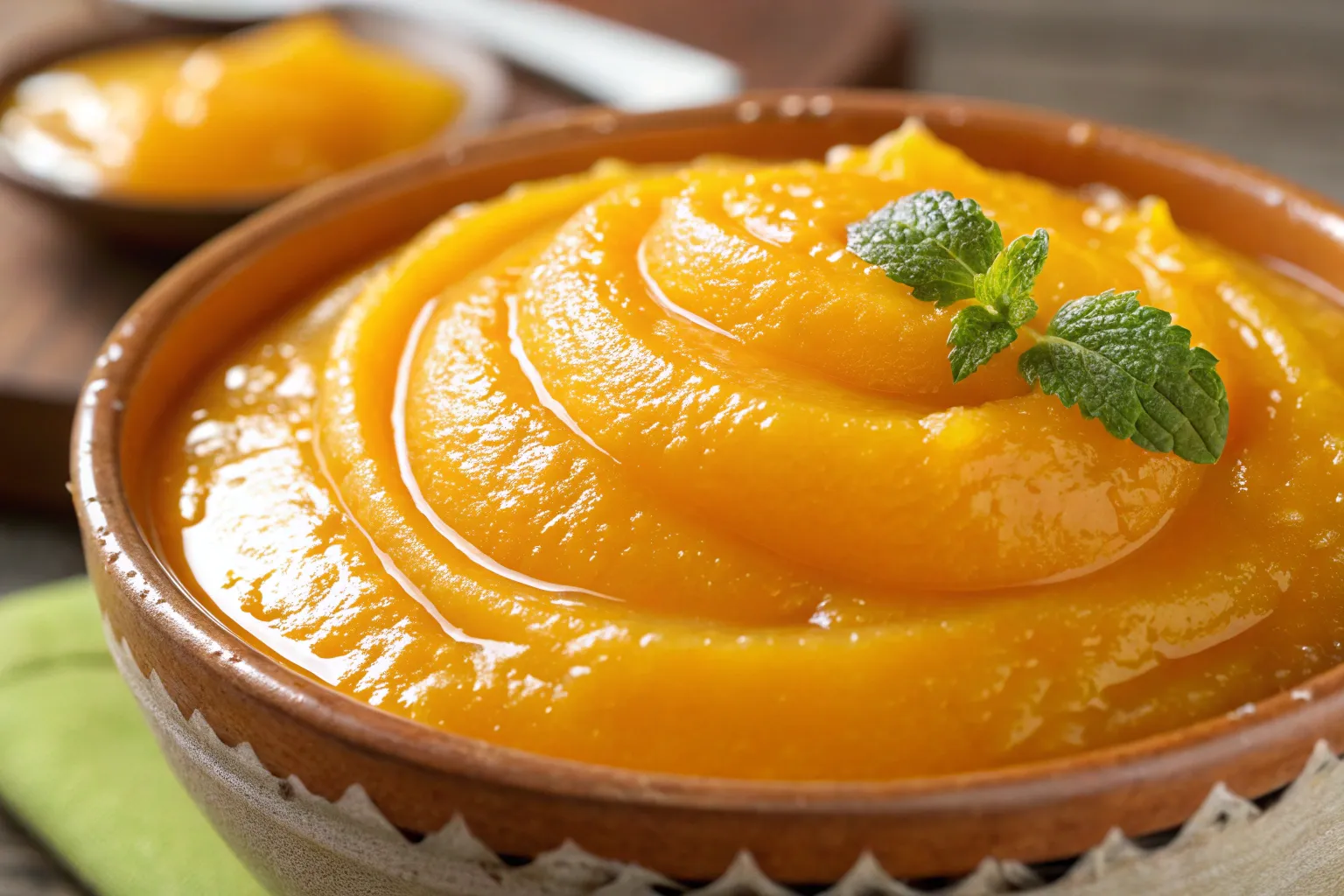
Easy Orange Curd Recipe: Smooth, Zesty & Homemade
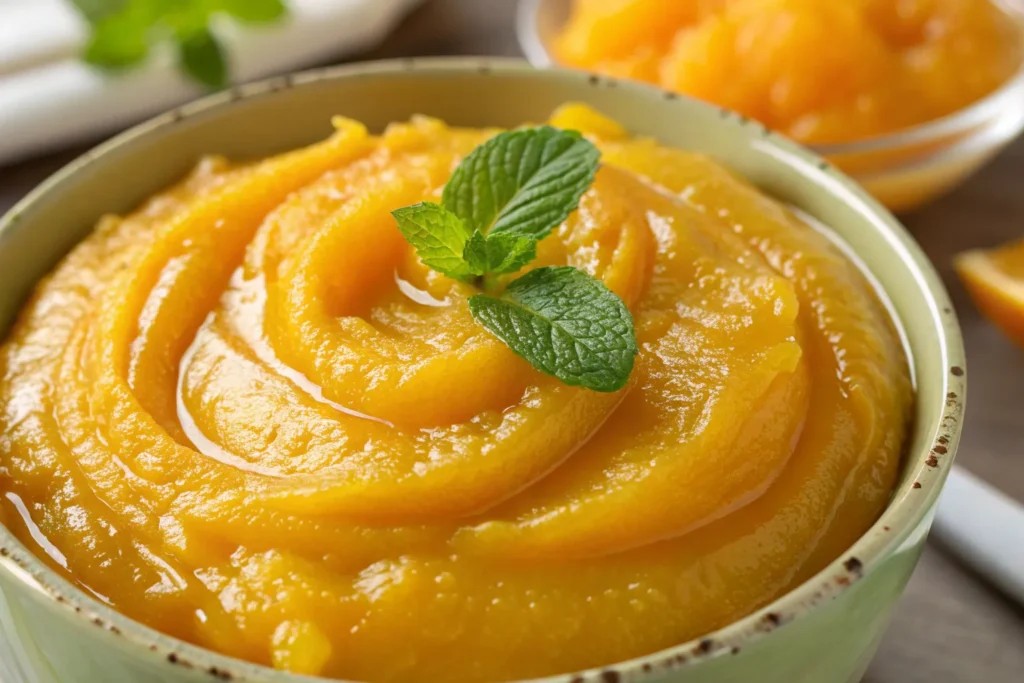
There’s nothing quite like homemade orange curd; bright, tangy, and luxuriously creamy. Unlike store-bought versions, making orange curd at home allows you to control the sweetness, intensify the citrus flavor, and enjoy a preservative-free treat. This easy orange curd recipe comes together in just a few simple steps, requires minimal ingredients, and is perfect for spreading on toast, filling cakes, or pairing with scones. Whether you’re a seasoned baker or a beginner in the kitchen, this curd is foolproof, decadent, and packed with sunny flavor.
Why You’ll Love This Recipe
- Quick and Simple: Ready in about 20 minutes with no complicated techniques.
- All-Natural Ingredients: Only fresh oranges, eggs, sugar, and butter.
- Versatile: Use it as a spread, a dessert filling, or even a topping for yogurt and pancakes.
- Bright, Bold Flavor: Fresh orange juice and zest give a vibrant citrus punch that’s impossible to resist.
- Make-Ahead Friendly: Can be stored in the fridge for up to 2 weeks, perfect for prepping in advance.
Ingredients
- 4 large oranges (for juice and zest)
- 3/4 cup granulated sugar
- 3 large eggs
- 6 tablespoons unsalted butter, cut into small pieces
- Pinch of salt
Detailed Instructions
- Prepare the oranges: Zest the oranges first, then juice them. Strain the juice to remove seeds or pulp if desired. You should have approximately 1 cup of fresh orange juice.
- Combine ingredients: In a medium, heatproof saucepan, whisk together the eggs, sugar, orange juice, orange zest, and a pinch of salt until smooth.
- Cook gently: Place the saucepan over low to medium heat, stirring constantly with a wooden spoon or heatproof spatula. Keep the heat moderate to avoid scrambling the eggs.
- Add butter: Once the mixture starts to thicken and coats the back of the spoon (around 10–12 minutes), remove it from the heat. Add the butter, one piece at a time, stirring until fully incorporated and silky.
- Optional vanilla: Stir in vanilla extract if desired for an extra layer of flavor.
- Cool and store: Pour the curd into a clean, airtight jar or container. Let it cool to room temperature, then refrigerate for at least 1–2 hours before using. The curd will thicken further as it chills.
Tips & Tricks
- Low and slow: Cooking over gentle heat and stirring constantly is key to smooth, lump-free curd.
- Use fresh oranges: Bottled juice can work in a pinch, but fresh juice and zest provide the best flavor.
- Strain if necessary: If your curd develops tiny lumps, strain it through a fine-mesh sieve for silky texture.
- Butter temperature: Adding cold butter directly from the fridge can cool the curd too quickly; room temperature butter blends more smoothly.
- Egg safety: If you’re concerned about undercooked eggs, cook the mixture until it reaches 170–175°F (77–80°C).
Serving Suggestions

- Spread on toast, croissants, or muffins for a zesty breakfast.
- Use as a filling for cakes, tarts, or cupcakes.
- Spoon over yogurt, pancakes, or ice cream for a fresh, citrusy kick.
- Gift in small jars for homemade treats during holidays or special occasions.
Ingredient Substitutions
- Butter alternative: Use coconut oil for a dairy-free version.
- Sugar substitute: Honey, maple syrup, or coconut sugar can replace granulated sugar, though sweetness levels may need adjustment.
- Citrus swap: Substitute lemons or limes for a tangy twist, adjust sugar to taste depending on tartness.
Seasonal Adaptations
- Spring/Summer: Add fresh berries on top when serving for a colorful, refreshing dessert.
- Fall/Winter: Incorporate a pinch of ground cinnamon, nutmeg, or ginger for a seasonal flavor profile.
- Holidays: Mix in a teaspoon of Grand Marnier or orange liqueur for a boozy twist perfect for gifting or desserts.
Storing Suggestions

- Keep orange curd in a clean, airtight container in the refrigerator for up to 2 weeks.
- For longer storage, freeze in small portions using silicone molds or freezer-safe jars for up to 3 months. Thaw overnight in the fridge before use.
Some Hotshot Success Stories
Readers and home bakers rave about this recipe. One person shared that their homemade curd “disappeared within two days,” while another said it was “the brightest, freshest curd I’ve ever tasted.” From spreading on toast to filling tarts for dinner parties, this simple recipe consistently brings smiles and adds a touch of sunshine to every meal.
Pro Tips
- Always zest before juicing to make the process easier and maximize flavor.
- Stir continuously during cooking to prevent the eggs from curdling.
- Use a heatproof silicone spatula or wooden spoon to scrape the sides and bottom of the pan.
- For a perfectly smooth curd, strain through a fine-mesh sieve before storing.
- If curd is too thick after chilling, whisk in a teaspoon of orange juice to loosen it slightly.
Conclusion
This Easy Orange Curd Recipe proves that homemade citrus curd doesn’t need to be complicated to be extraordinary. It’s smooth, tangy, and versatile, perfect for breakfast, desserts, or gifting. With minimal ingredients, quick preparation, and a flavor that’s far superior to store-bought, it’s a kitchen staple you’ll return to again and again. Brighten your meals and desserts with this sunny, zesty, and luscious orange curd, it’s a simple recipe that delivers maximum flavor.
Frequently Asked Questions(FAQs)
Can I use store-bought orange juice for this curd?
Yes, but fresh-squeezed orange juice and zest give the best, brightest flavor. Bottled juice may taste less vibrant and slightly sweeter, so adjust sugar if needed.
Can I make this curd ahead of time?
Absolutely! Orange curd can be made in advance and stored in the fridge for up to 2 weeks. It’s perfect for prepping breakfast spreads, desserts, or gifts.
Can I freeze orange curd?
Yes. Freeze in small jars or silicone molds for up to 3 months. Thaw overnight in the refrigerator before using.
What’s the best way to avoid lumps in the curd?
Cook over low to medium heat and stir constantly. Straining the curd through a fine-mesh sieve after cooking ensures a silky-smooth texture.
Can I make this recipe dairy-free?
Yes! Replace butter with coconut oil or a plant-based butter alternative. The texture and flavor will still be rich and creamy.
How do I know when the curd is done?
It should thicken enough to coat the back of a spoon and reach around 170–175°F (77–80°C). Once off the heat, it will thicken slightly more as it cools.
Can I substitute eggs?
Traditional curd relies on eggs for thickening, but you can try using cornstarch or agar-agar for an egg-free version. The texture will be slightly different but still delicious.
How can I make it extra flavorful?
Add a teaspoon of vanilla extract, a splash of orange liqueur, or a pinch of finely grated ginger or cinnamon to elevate the flavor.
Printable Recipe Card
Want just the essential recipe details without scrolling through the article? Get our printable recipe card with just the ingredients and instructions.