
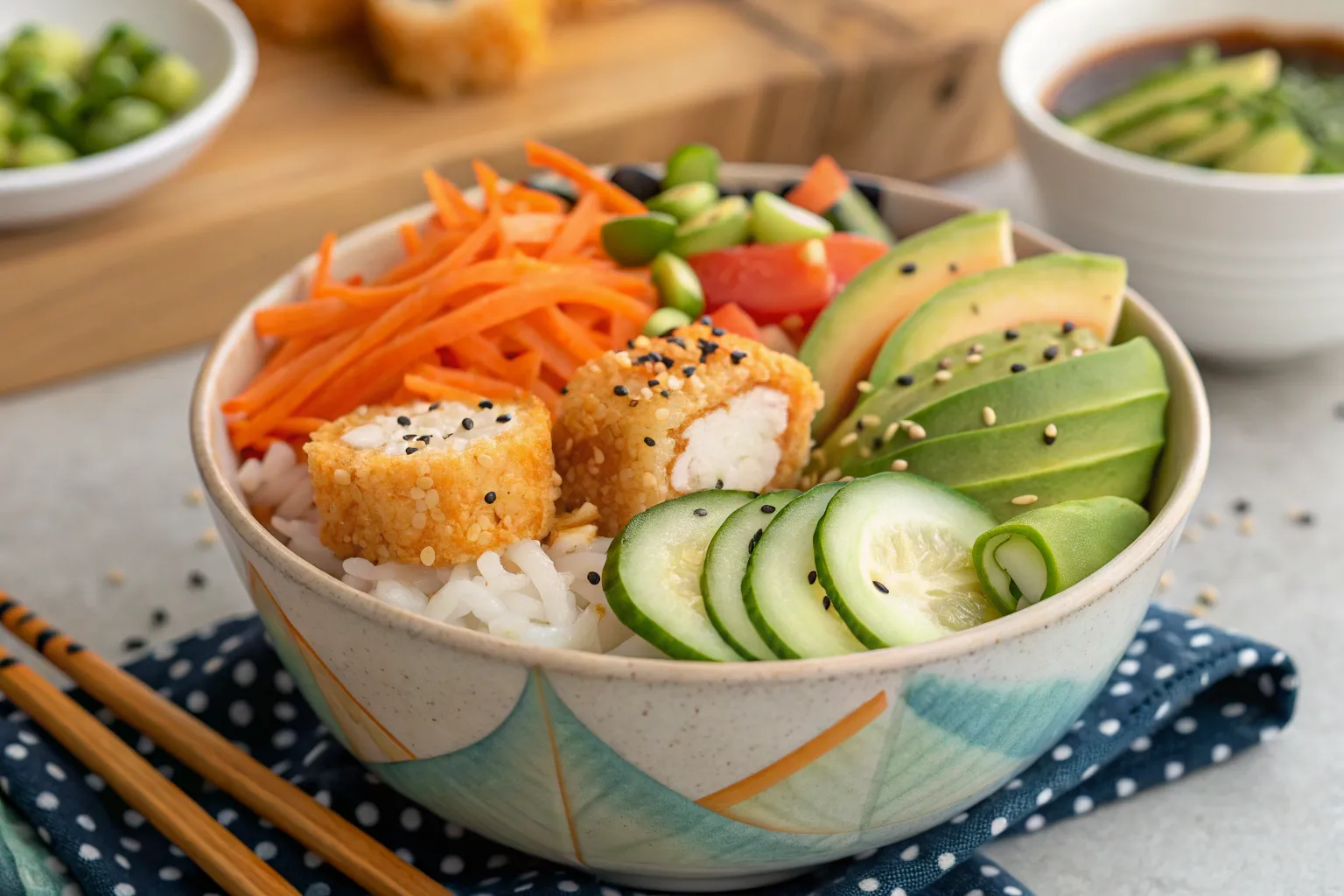
Vegetarian Crunchy Roll Bowls | Sushi-Inspired, No-Roll Meal
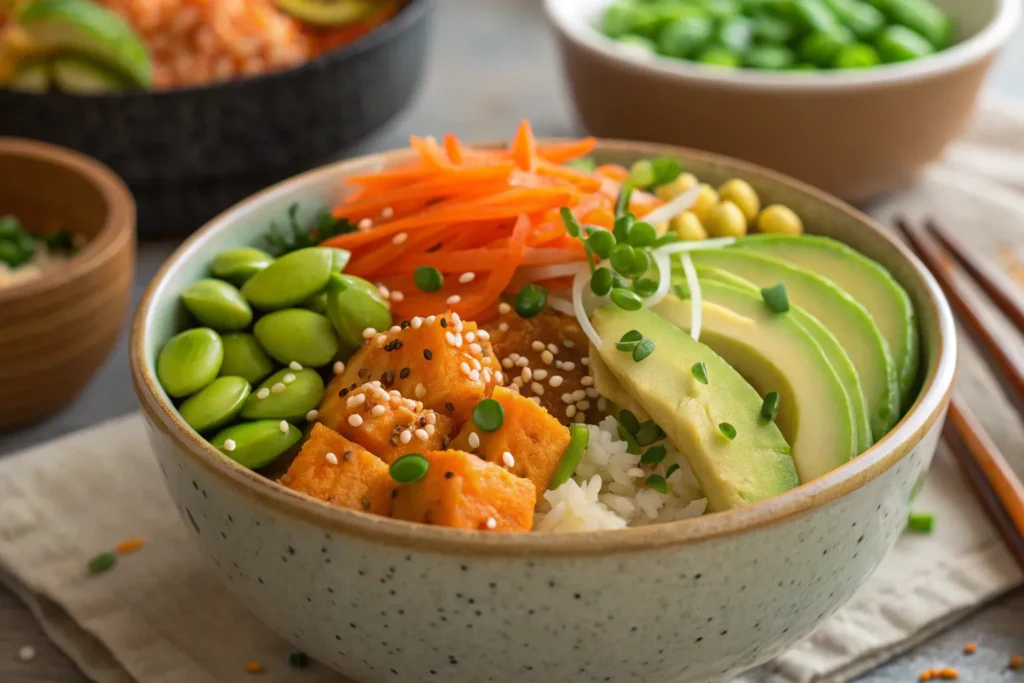
Vegetarian Crunchy Roll Bowls are a fresh and vibrant way to enjoy sushi-inspired flavors without the hassle of rolling. These bowls capture all the tastes and textures of a traditional crunchy sushi roll, crisp vegetables, creamy avocado, tangy sauces, and a satisfying crunch—served conveniently in a bowl. Perfect for busy weeknights, meal prep, or lunchboxes, this dish is colorful, nutrient-packed, and entirely plant-based. It’s an approachable way for home cooks to enjoy sushi flavors without needing specialized rolling skills.
Why You’ll Love This Recipe
You’ll love this recipe because it’s fast, customizable, and bursting with flavor and texture. The combination of crunchy vegetables, soft avocado, seasoned rice, and crunchy toppings makes each bite satisfying. It’s healthy yet indulgent, perfect for anyone looking for a vegetarian, high-fiber meal. The recipe is also flexible—you can swap ingredients based on seasonality, dietary preferences, or what’s on hand in your kitchen.
Key Ingredients Explained
The base is seasoned sushi rice, which provides a slightly sticky, flavorful foundation. Fresh vegetables like cucumber, carrots, bell peppers, and avocado offer crunch, creaminess, and vibrant color. Nori (seaweed) adds umami flavor, while crunchy toppings such as tempura flakes, toasted sesame seeds, or crushed nuts enhance texture. A light soy-based or spicy mayo sauce ties all the ingredients together. Choosing fresh, high-quality vegetables and properly seasoned rice ensures the best results.
Equipment Needed
A rice cooker or saucepan for cooking the sushi rice, a sharp knife for slicing vegetables, mixing bowls for preparing sauces, and serving bowls for assembly are essential. Optional tools include a small pan for toasting sesame seeds or making crispy toppings. A spoon or rice paddle helps in evenly spreading rice in the bowls.
Instructions; How to Make Vegetarian Crunchy Roll Bowls
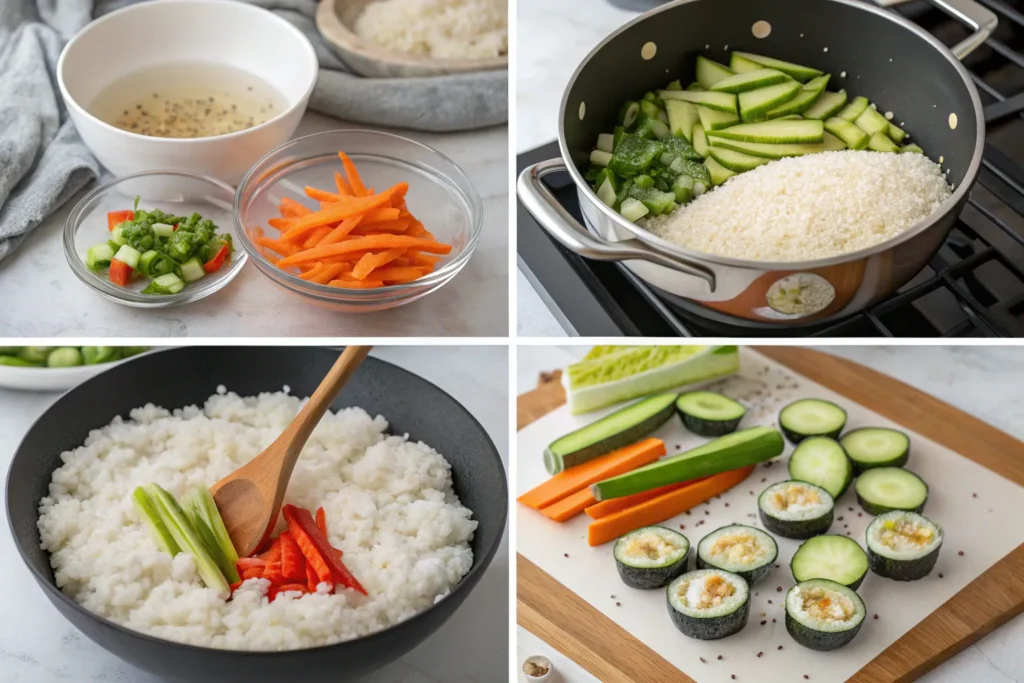
Step 1: Cook the Sushi Rice
Rinse 1 cup of sushi rice under cold water until the water runs clear. Cook according to package instructions or in a rice cooker. Once cooked, let it cool slightly, then season with 1–2 tablespoons rice vinegar, a pinch of sugar, and a small pinch of salt. Mix gently to coat the rice evenly.
Step 2: Prepare the Vegetables
Wash and slice your vegetables: cucumber, carrots, bell peppers, and avocado. Cut into thin matchsticks or bite-sized pieces for easy layering in the bowl. Chop fresh herbs like cilantro or parsley for garnish.
Step 3: Prepare Toppings
Toast sesame seeds lightly in a pan for extra flavor. Prepare crunchy toppings such as tempura flakes, crushed nuts, or crispy fried onions. Keep these ready for assembly.
Step 4: Make the Sauce
In a small bowl, whisk together 2 tablespoons soy sauce or tamari, 1 teaspoon sesame oil, and optional sriracha or vegan mayonnaise for a spicy creamy sauce. Adjust seasoning to taste.
Step 5: Assemble the Bowls
Divide the seasoned rice evenly among serving bowls. Arrange vegetables, avocado, and nori strips on top in neat sections or colorful stripes. Sprinkle the crunchy toppings over the bowls.
Step 6: Drizzle Sauce
Drizzle the prepared sauce evenly over the bowls just before serving. This keeps the rice and vegetables from becoming soggy and adds flavor with every bite.
Step 7: Garnish and Serve
Finish with a sprinkle of sesame seeds and chopped fresh herbs. Serve immediately for the best texture and freshness. Optionally, add pickled ginger or a small wedge of lime for extra brightness.
Tips:
- Keep vegetables dry and add avocado just before serving to maintain freshness.
- Adjust sauce spiciness according to preference.
- For extra protein, add marinated tofu, edamame, or chickpeas.
Texture & Flavor Profile
These bowls offer a delightful balance of textures: soft, sticky rice, creamy avocado, crisp vegetables, and crunchy toppings. Flavors range from umami and savory (nori, soy sauce) to slightly sweet (carrots, rice seasoning) with a touch of heat from sriracha or spicy mayo. Each bite delivers layers of flavor and texture, making the meal satisfying and dynamic.
Common Mistakes to Avoid
Overcooking or under-seasoning the rice can impact flavor and texture, so follow instructions carefully. Using soggy or watery vegetables can make the bowls less crisp, so pat ingredients dry. Avoid adding sauce too early, as it can make the rice mushy; drizzle right before serving. Cutting vegetables into uniform sizes ensures even bites and better presentation.
Make-Ahead Instructions
Cook the sushi rice in advance and store it in an airtight container in the refrigerator for up to a day. Prepare vegetables, sauces, and toppings ahead of time. Assemble the bowls just before serving to maintain freshness and texture. Prepped ingredients also make it easy to assemble multiple bowls quickly for meal prep or gatherings.
Substitutions & Ingredient Swaps
You can swap vegetables according to preference or seasonality: zucchini, radish, or snap peas work well. Replace avocado with edamame or tofu for added protein. For gluten-free options, use tamari instead of soy sauce. Vegan mayonnaise can replace traditional mayo in the sauce. Crunchy toppings like crushed nuts or crispy chickpeas can be used instead of tempura flakes.
Serving Size & Yield
This recipe yields approximately 4 servings, making it perfect for family meals or meal prep. Portion sizes can be adjusted based on appetite or if serving alongside other dishes.
Scaling the Recipe
The recipe can be easily scaled up for larger gatherings. When making multiple bowls, keep sauces and toppings separate until serving to maintain texture and freshness. Rice can be cooked in larger batches, but ensure even seasoning.
Storage & Shelf Life
Store leftover rice and prepped vegetables separately in airtight containers in the refrigerator for up to 1–2 days. Avoid mixing everything in advance to prevent sogginess. Assemble bowls just before eating for the best flavor and texture.
Freezing Instructions
Freezing is not recommended for this recipe, as fresh vegetables and avocado do not retain texture well after thawing. Rice can be frozen separately, but fresh ingredients should be added after thawing and reheating the rice.
Pairing Suggestions
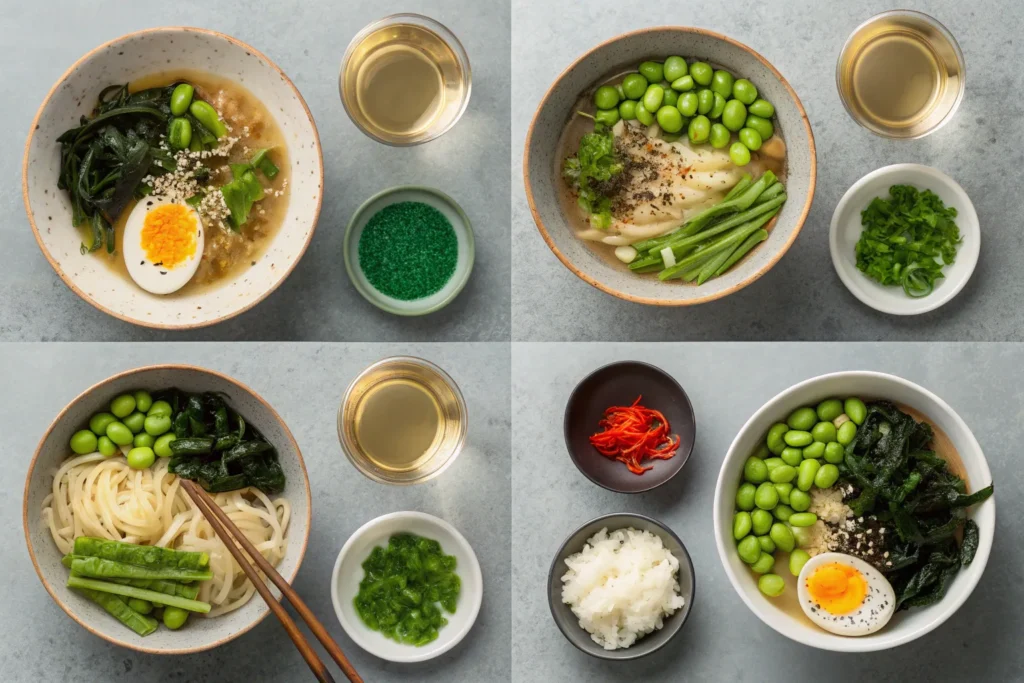
Pair the bowls with miso soup, edamame, or seaweed salad for a complete Japanese-inspired meal. Green tea, sparkling water, or a light white wine complement the flavors beautifully. Adding pickled ginger or a splash of rice vinegar enhances authenticity.
Presentation & Styling Tips
Serve the bowls in wide, shallow dishes to showcase the colorful layers of vegetables, rice, and toppings. Drizzle sauces artistically and sprinkle sesame seeds or tempura flakes on top. Arrange ingredients neatly in sections or stripes for a visually appealing, Instagram-ready presentation.
Recipe Success Indicators
The rice should be slightly sticky and well-seasoned. Vegetables must be crisp and colorful. Toppings should remain crunchy, and the sauce should be well-balanced, adding flavor without overwhelming the other ingredients. A vibrant, layered presentation indicates a successful bowl.
Dietary Information
This recipe is vegetarian and vegan-friendly. It is naturally high in fiber and plant-based protein (if using edamame or tofu). Gluten-free adaptations are possible with tamari or gluten-free toppings. It’s free from artificial additives and preservatives.
Cultural or Seasonal Relevance
Inspired by Japanese sushi rolls, this recipe offers a deconstructed, bowl-style version of crunchy rolls, making it convenient for home cooking. It is perfect year-round but particularly appealing in spring and summer when fresh vegetables are at their peak.
Expert Troubleshooting
If rice is too sticky, rinse thoroughly before cooking and avoid overcooking. Mushy vegetables can be prevented by drying them and slicing just before assembly. If the sauce is too spicy, dilute with a bit of vegan mayonnaise or sweetener. Crunchy toppings should be added last to prevent sogginess.
Reader Tips & Feedback
Many readers recommend adding a squeeze of lime or lemon for brightness. Others suggest incorporating pickled vegetables or marinated tofu for extra flavor. Uniform slicing and layering ingredients by color enhances both taste and presentation.
Printable Recipe Note
Save or print this Vegetarian Crunchy Roll Bowls recipe for quick assembly at home or meal prep. With simple ingredients and no rolling required, it’s an accessible, healthy, and visually stunning meal for any day of the week.
Conclusion
Vegetarian Crunchy Roll Bowls are a vibrant, healthy, and convenient way to enjoy sushi-inspired flavors without rolling. With fresh, crisp vegetables, creamy avocado, seasoned rice, and crunchy toppings, these bowls are visually appealing, nutrient-packed, and fully customizable. Perfect for quick weeknight dinners, meal prep, or casual lunch gatherings, this recipe makes enjoying sushi flavors at home simple, fun, and delicious.
FAQs
Can I prepare the ingredients ahead of time?
Yes, cook the rice and prep vegetables in advance, but assemble the bowls just before serving to maintain freshness and crunch.
Can I make this recipe gluten-free?
Absolutely. Use tamari instead of soy sauce and ensure any crunchy toppings are gluten-free.
What can I use instead of avocado?
You can substitute avocado with edamame, tofu, or even roasted sweet potato for a creamy texture.
Can I add protein to these bowls?
Yes, marinated tofu, tempeh, or cooked chickpeas are excellent additions for extra protein.
How do I prevent the vegetables from getting soggy?
Slice vegetables uniformly, pat them dry, and add them to the bowl right before serving. Avoid mixing them with the rice too early.
Can I make this recipe vegan?
Yes, all ingredients can be kept plant-based. Use vegan mayonnaise or sauces if desired.
How do I store leftovers?
Store rice and vegetables separately in airtight containers in the fridge for 1–2 days. Assemble bowls fresh to maintain texture.
Printable Recipe Card
Want just the essential recipe details without scrolling through the article? Get our printable recipe card with just the ingredients and instructions.