
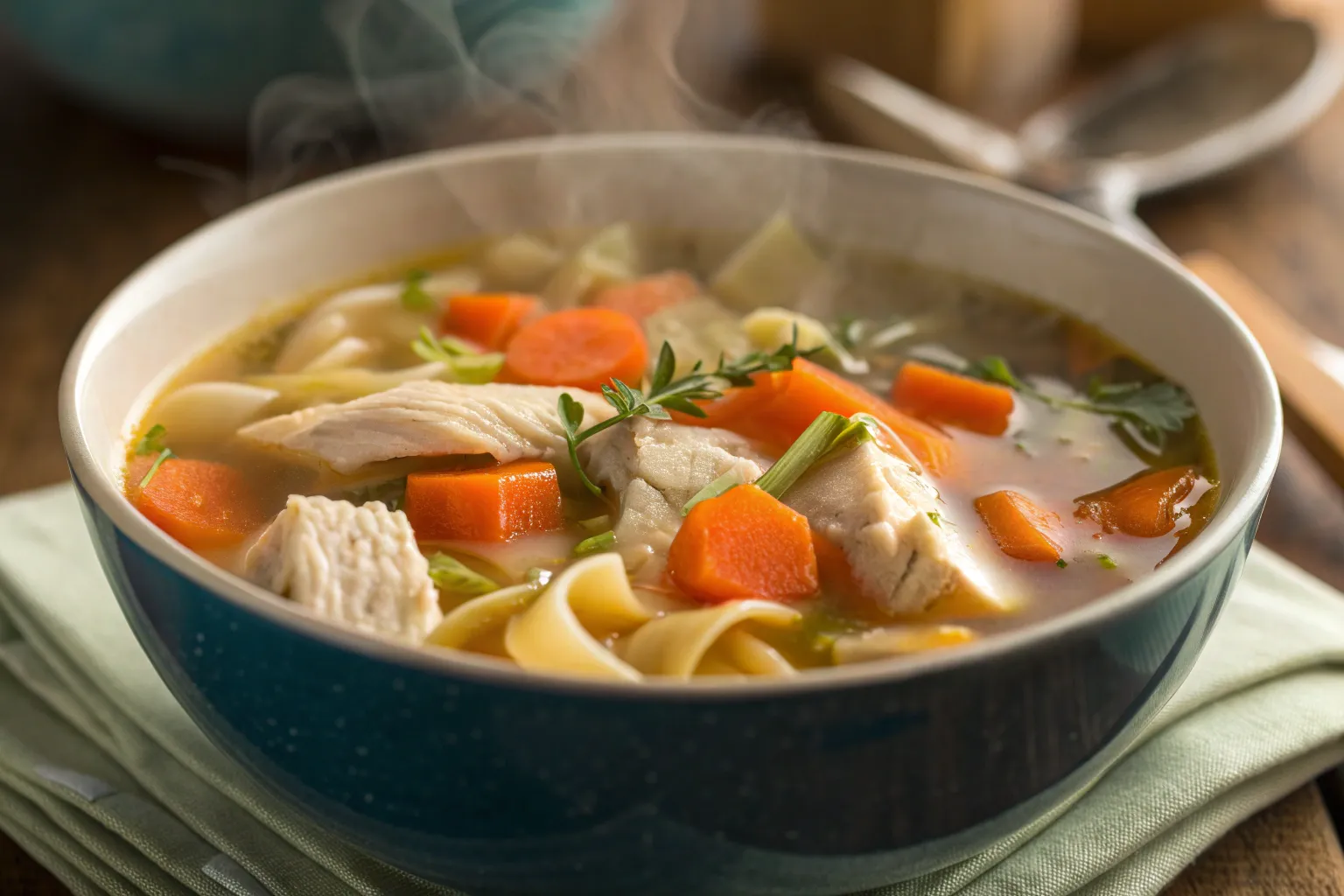
Chicken Soup Recipes Homemade for Colds
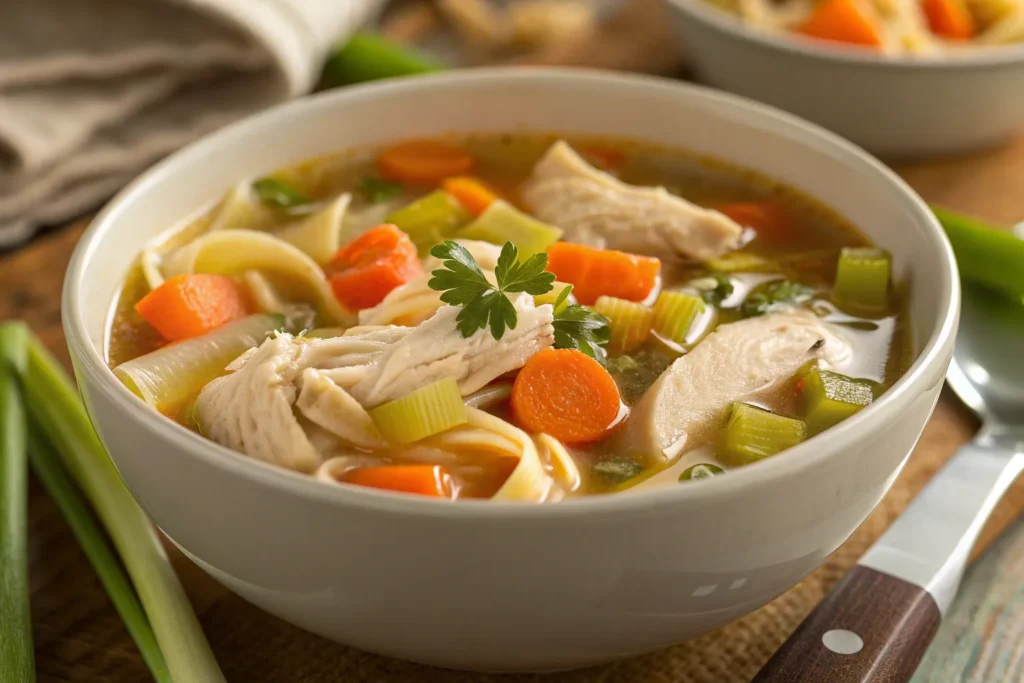
Homemade chicken soup is more than just a classic comfort food, it’s one of the most soothing remedies when you’re battling a cold, feeling congested, or craving warmth and nourishment. The gentle simmering of chicken, vegetables, herbs, and broth creates a healing bowl that hydrates, calms inflammation, and delivers essential nutrients. Whether you prefer a simple broth-based version or a heartier soup with noodles or rice, this recipe is designed to help you feel better, breathe easier, and restore energy during cold and flu season.
Why You’ll Love These Recipes
You’ll love these homemade chicken soup recipes because they are incredibly comforting, deeply nourishing, and easy to digest when you’re under the weather. Each bowl is filled with warm broth that helps loosen congestion, lean protein to support healing, and vegetables that provide essential vitamins and antioxidants. The addition of garlic, ginger, lemon, and fresh herbs elevates the soup into a natural cold-fighting remedy. The simplicity of the recipe also makes it manageable on days when your energy is low.
Nutritional Info
Chicken soup is naturally packed with vitamins, minerals, and hydrating electrolytes, making it ideal when you’re sick and not eating much else. The chicken provides protein that helps your body repair itself, while the broth offers comforting hydration that helps replace lost fluids. Carrots, celery, and onions add vitamins A and C, along with antioxidants that strengthen the immune system. When garlic and ginger are added, the soup becomes even more powerful due to their antiviral, antibacterial, and anti-inflammatory properties.
Time Taken
This healing chicken soup comes together quickly, taking about thirty to forty-five minutes from start to finish. Its short cooking time makes it ideal when you need relief fast and can’t spend hours in the kitchen.
Ingredients
To make the most soothing homemade chicken soup, you’ll need chicken breast or thighs, carrots, celery, onions, garlic, ginger, chicken broth, a bay leaf, lemon, fresh herbs like parsley or dill, and simple seasonings. Some versions include egg noodles or rice, but these are optional depending on your preference. The ingredients are intentionally simple so the soup remains gentle and healing during illness.
Instructions
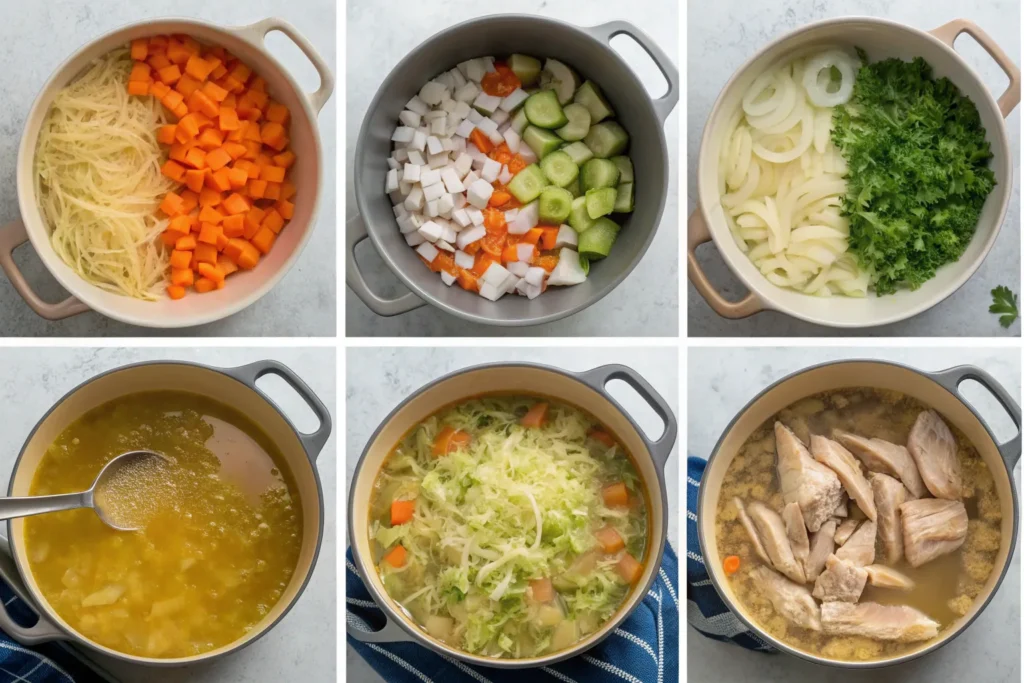
Begin preparing the soup by sautéing chopped onions, carrots, and celery in a large pot until they begin to soften and release their flavor. Once they become fragrant, add minced garlic and grated fresh ginger, allowing them to bloom briefly in the warmth of the pot. Pour in chicken broth and add the raw chicken along with the bay leaf, salt, and pepper. Let the soup simmer gently until the chicken is tender enough to shred. Remove the cooked chicken, shred it, and return it to the pot. If you prefer a heartier soup, stir in noodles or rice and cook until they reach your desired texture. Finish the soup with a squeeze of fresh lemon juice and a handful of chopped herbs to brighten the flavor and enhance the healing qualities.
You Must Know
For the most effective cold-fighting benefits, always use fresh garlic and fresh ginger rather than their dried, powdered forms. Fresh ginger releases warming compounds that help ease nausea and congestion, while fresh garlic provides powerful natural immunity support. Adding lemon at the end preserves its bright vitamin C content, which can contribute to faster recovery.
Storage Tips
This soup stores very well and is perfect for meal prep during cold season. Keep it refrigerated in an airtight container for three to four days. When reheating, warm it gently on the stovetop to preserve flavor and texture. If you plan to store it for longer, it can be frozen for up to three months, but freeze it without noodles because they tend to become mushy. You can always cook fresh noodles and add them when serving.
Ingredient Substitutions
If you need substitutions, chicken can easily be replaced with cooked rotisserie chicken or even leftover turkey. Chicken broth can be swapped with bone broth for an extra nutrient boost. If you don’t want noodles, rice, quinoa, barley, or even cauliflower rice work perfectly. Fresh herbs can be customized depending on what you enjoy. Dill, parsley, cilantro, or thyme all add a soothing herbal touch to the soup.
Serving Suggestions

Serve this comforting soup warm with a wedge of lemon on the side to brighten the flavors even more. It pairs wonderfully with warm bread, crackers, or a simple salad if you’re feeling well enough. If your appetite is low, the soup is nourishing enough to enjoy on its own. Pairing it with warm ginger tea or peppermint tea can also enhance the soothing effects, especially for sore throats and congestion.
Cultural and Historical Context
Chicken soup has a long history as a healing remedy across cultures. In Jewish tradition, it’s known as “Jewish penicillin” because of its reputation for easing cold symptoms. Chinese cuisine uses ginger chicken soups to restore warmth and balance. Mediterranean cultures simmer chicken with lemons and herbs for similar healing benefits. Across the world, the combination of broth, chicken, and vegetables has become universally recognized as one of the most comforting and medicinal foods.
Seasonal Adaptations
This soup adapts beautifully to the seasons. In the fall, you can add sweet potatoes or squash for added warmth and nutrients. Winter versions benefit from extra greens like spinach or kale for vitamin boosts. Spring variations can include peas or fresh herbs, while in summer, lighter versions with extra lemon and less starch feel refreshing and restorative. A pinch of chili flakes can also be added during cold season to help clear nasal passages.
Success Stories
Many people find that this soup becomes their go-to remedy when colds strike. It’s praised for relieving stuffy noses, calming coughs, and offering comforting warmth even when your appetite is low. Parents often rely on it for soothing sick children, and adults appreciate how quickly it comes together on days where energy is limited.
Pro Tips
For the best flavor and texture, use bone-in chicken when possible because it creates a richer, deeper broth. Always simmer the soup gently rather than boiling it, as boiling can make the chicken tough. Skimming off foam during simmering keeps the broth clear and clean. Adding lemon at the end brightens the entire dish and enhances its healing qualities.
Chef’s Special Tips
Adding a small knob of fresh turmeric or a splash of apple cider vinegar can deepen the broth while boosting its natural healing effects. Turmeric adds anti-inflammatory benefits that complement ginger and garlic, while apple cider vinegar helps extract nutrients from the chicken. Drizzling a small amount of olive oil before serving also helps coat and soothe a sore throat, making each spoonful even more comforting.
Conclusion
Homemade chicken soup is a timeless, nourishing remedy for cold symptoms, offering warmth, hydration, and natural healing in every spoonful. Made with simple ingredients and customizable flavors, it’s the perfect comfort food when you need relief quickly. Prepare a batch today and let this soothing, restorative soup support your body and lift your spirits when you need it most.
FAQs
Does chicken soup really help with colds?
Yes, the warm broth helps loosen mucus, the nutrients strengthen immunity, and the hydration accelerates recovery.
Can I make this in a slow cooker?
Absolutely. Cook it on low for six to seven hours or on high for three to four hours.
Can I use rotisserie chicken?
Yes, it’s a great shortcut. Add it near the end of cooking so it stays tender.
Is ginger necessary?
It’s not required, but it adds powerful cold-fighting and anti-inflammatory benefits.
Can I freeze chicken soup?
Yes, but freeze it without noodles for the best texture. Add fresh noodles when serving.
What’s the best chicken to use?
Bone-in thighs make the soup rich, flavorful, and incredibly tender.
How can I thicken the soup?
Simmer longer or add a small cornstarch slurry if you prefer a thicker consistency.
Printable Recipe Card
Want just the essential recipe details without scrolling through the article? Get our printable recipe card with just the ingredients and instructions.