
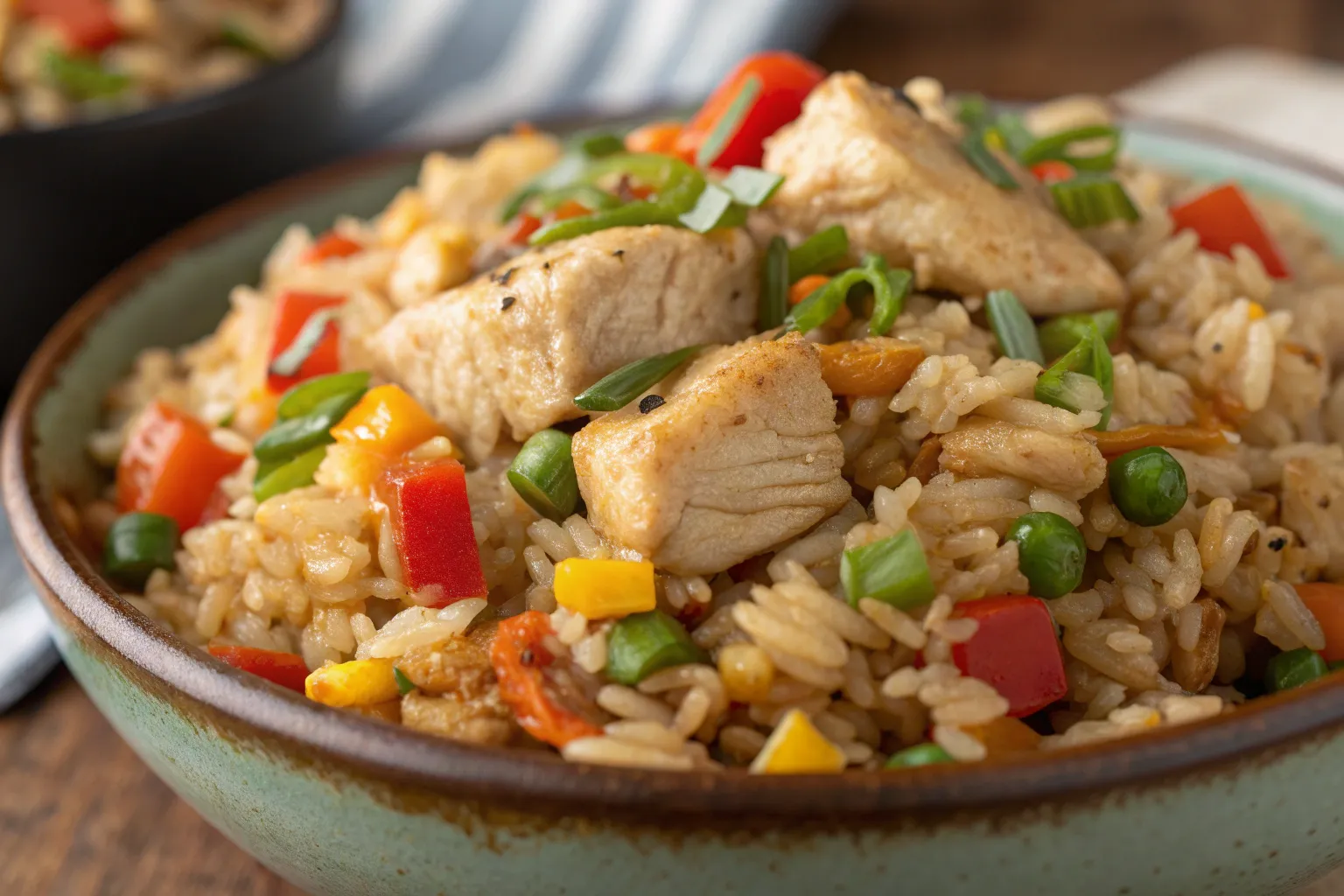
Japanese BBQ Fried Rice
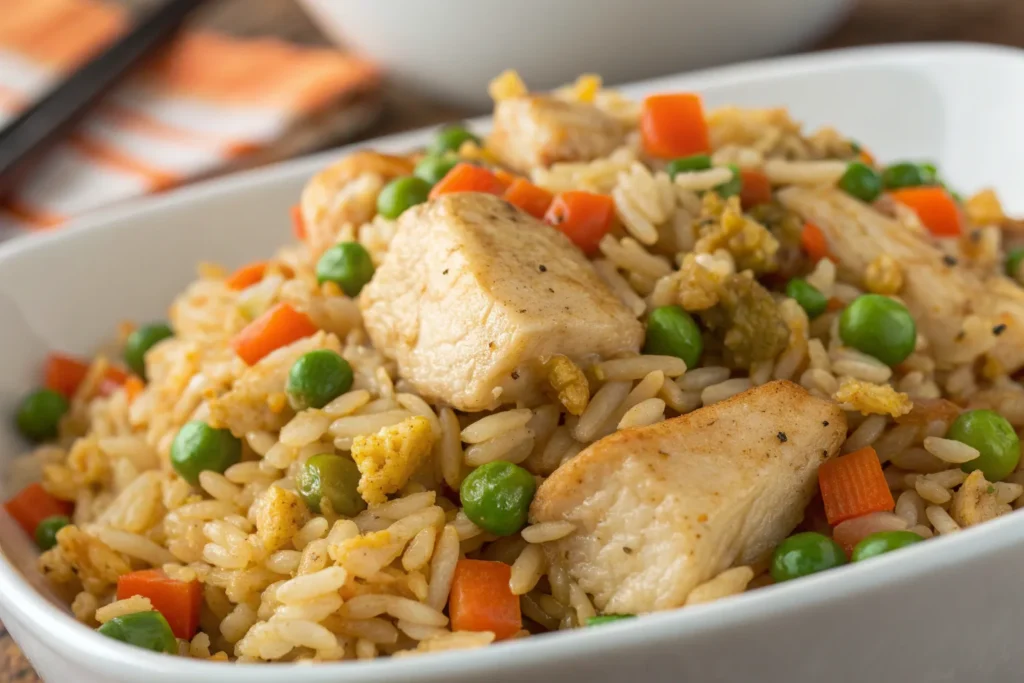
Japanese BBQ Fried Rice is a flavorful, hearty dish that combines the smoky, savory essence of Japanese-style barbecue with the comfort and versatility of fried rice. Packed with tender grilled meat, umami-rich sauces, vegetables, and perfectly cooked rice, it delivers a one-pan meal that is both satisfying and full of complex flavors. This dish is ideal for quick dinners, lunch leftovers, or a flavorful twist on a classic Asian-inspired fried rice that the whole family will love.
Why You’ll Love This Recipe
You’ll love this recipe because it transforms simple ingredients into a restaurant-quality meal at home. The Japanese BBQ sauce, which blends sweet, salty, and savory notes, coats each grain of rice and every piece of meat, creating a deliciously sticky and flavorful texture. The combination of fresh vegetables and tender grilled proteins provides both nutrition and color, making the dish visually appealing as well as delicious. Unlike takeout, you have full control over the seasoning, ingredients, and portion size, allowing you to customize it to your taste.
Nutritional Info
Japanese BBQ Fried Rice is a balanced meal with protein from meats like beef, chicken, or pork, complex carbohydrates from rice, and fiber, vitamins, and minerals from vegetables. While it is savory and slightly sweet, you can adjust the sauce to be lighter or reduce sugar for a healthier option. It also makes for a filling, energy-boosting meal suitable for lunch or dinner.
Time Taken
This recipe takes about 15–20 minutes for prep, including slicing vegetables and meat, and roughly 10–12 minutes for cooking, making it a fast and convenient meal. Using pre-cooked rice or leftover rice enhances the texture and saves additional time.
Ingredients
- Cooked Japanese short-grain rice
- Protein of choice: thinly sliced beef, chicken, or pork
- Mixed vegetables: carrots, peas, onions, bell peppers
- Garlic and ginger, minced
- Soy sauce
- Japanese BBQ sauce (like yakitori or teriyaki-style)
- Vegetable oil or sesame oil
- Green onions and sesame seeds for garnish
Instructions
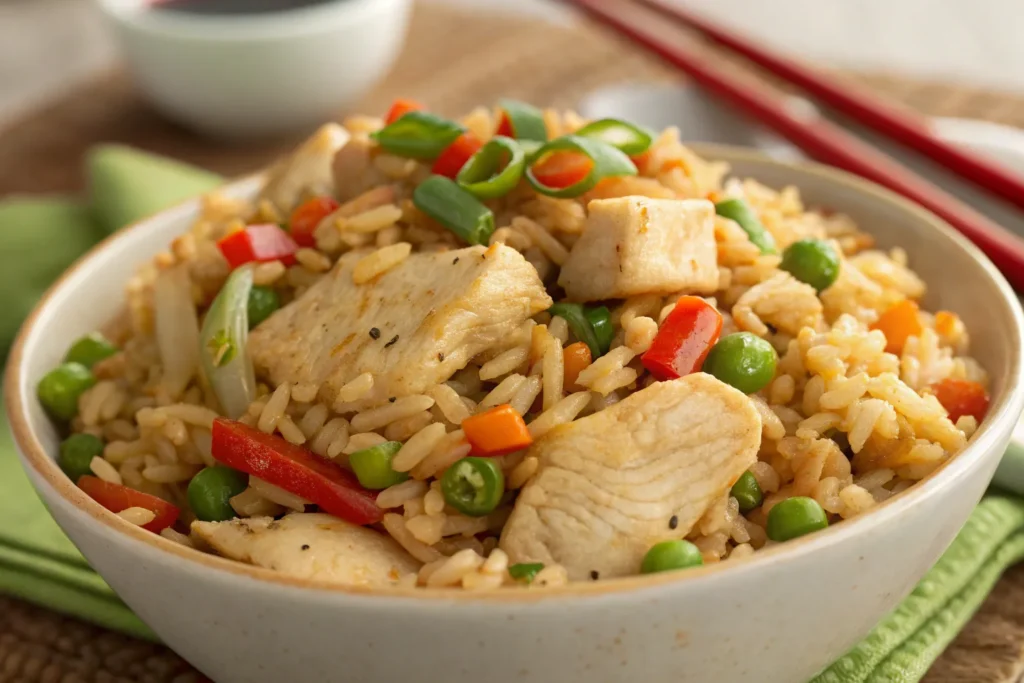
Start by heating oil in a large skillet or wok over medium-high heat. Sauté garlic and ginger until fragrant, then add sliced vegetables and cook until slightly tender. Push the vegetables aside and add the protein, cooking until browned and coated with the Japanese BBQ sauce. Add the cooked rice and drizzle more sauce over it, stirring constantly to combine and ensure every grain is coated. Cook until the rice is heated through and slightly crisp in spots. Garnish with sliced green onions and sesame seeds before serving for added flavor and visual appeal.
You Must Know
For the best texture, use day-old rice or rice that has been cooled completely—freshly cooked hot rice can make the fried rice mushy. Adjust the BBQ sauce gradually to control sweetness and saltiness according to your taste. High heat is crucial to create slightly crisp grains and authentic fried rice flavor.
Storage Tips
Store leftovers in an airtight container in the refrigerator for up to three days. Reheat in a skillet over medium heat or in the microwave, adding a splash of water or soy sauce to restore moisture.
Ingredient Substitutions
- Swap short-grain rice for jasmine or basmati if needed.
- Use tofu or tempeh for a vegetarian version.
- Add additional sauces such as a splash of mirin, sake, or chili sauce for extra depth.
- Replace mixed vegetables with whatever is on hand: broccoli, mushrooms, or zucchini work beautifully.
Serving Suggestions
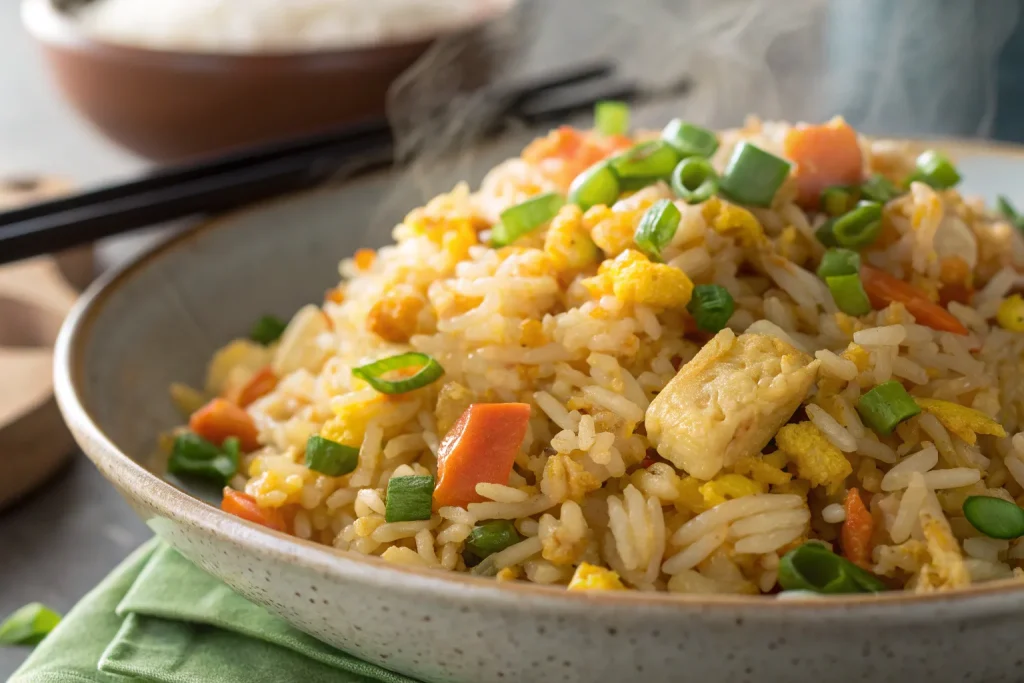
Serve Japanese BBQ Fried Rice as a main dish alongside pickled vegetables, miso soup, or steamed edamame. You can also top it with a fried egg for a classic Asian touch. For extra flavor, sprinkle toasted sesame seeds or drizzle a little extra BBQ sauce on top.
Cultural and Historical Context
Fried rice has deep roots in East Asian cuisine, where leftover rice is commonly transformed into quick, flavorful meals. Japanese BBQ, often referred to as yakitori or yakiniku, brings the savory, sweet, and umami-rich flavor of grilled meats. Combining these elements creates a fusion dish that honors traditional Japanese techniques while making a convenient, modern fried rice that fits today’s busy lifestyles.
Seasonal Adaptations
In summer, include fresh bell peppers, zucchini, and snap peas. In fall, add roasted sweet potatoes or mushrooms for a heartier version. Winter versions may include cabbage, carrots, and root vegetables to add warmth and texture. Spring brings the perfect opportunity to add fresh peas and asparagus for a light, fresh flavor.
Success Stories
Many home cooks praise this recipe for its quick preparation, bold flavors, and restaurant-quality taste. Using Japanese BBQ sauce elevates a basic fried rice into something special, making it a favorite for weeknight meals or casual dinner parties. The ability to customize protein and vegetables ensures it suits every household preference.
Pro Tips
- Use cold rice for the best texture.
- Cook on high heat to achieve slightly crisp grains.
- Slice protein thinly to cook quickly and absorb sauce flavor.
Chef’s Special Tips
Marinate the protein in a little Japanese BBQ sauce for 15–30 minutes before cooking to intensify flavor. Adding a small splash of sesame oil at the end enhances aroma and richness. For an authentic touch, top with a soft-boiled egg or nori strips.
Conclusion
Japanese BBQ Fried Rice is a delicious, versatile dish that delivers bold flavor, satisfying texture, and minimal effort. With its sweet-savory BBQ notes, tender protein, and vibrant vegetables, it’s perfect for weeknights, meal prep, or entertaining. Try making it at home and experience how simple ingredients can come together into a flavor-packed, restaurant-style fried rice.
Frequently Asked Questions
Can I use leftover rice?
Yes, day-old rice works best for texture and prevents mushiness.
What meat works best for this recipe?
Thinly sliced beef, chicken, or pork all work well; tofu is great for a vegetarian option.
Can I make it spicy?
Yes, add chili sauce, Sriracha, or chili flakes to taste.
Can I use fresh-cooked rice?
You can, but cool it completely first to avoid clumping.
Is Japanese BBQ sauce necessary?
It’s recommended for authentic flavor, but teriyaki or yakitori sauce can substitute.
Can I freeze leftovers?
Yes, store in an airtight container for up to a month, then reheat in a skillet.
Printable Recipe Card
Want just the essential recipe details without scrolling through the article? Get our printable recipe card with just the ingredients and instructions.