

12 Gut Healing Recipes That Support Digestion
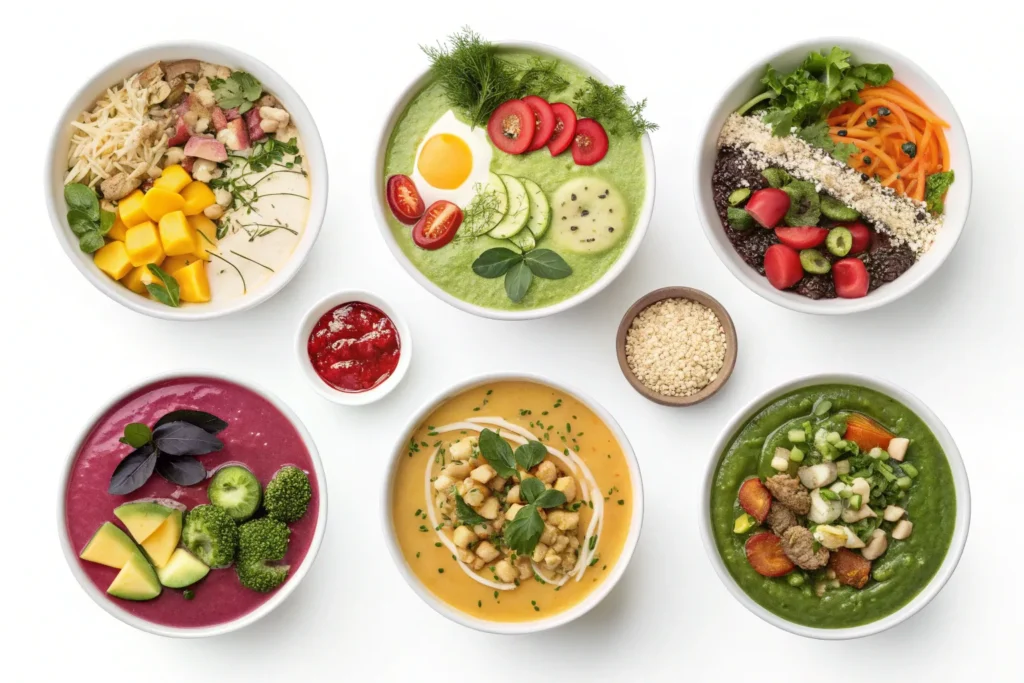
A healthy gut is the foundation of overall wellness. From digestion and nutrient absorption to immunity and energy levels, your digestive system plays a central role in how you feel every day. The foods you eat can either support gut healing or contribute to discomfort like bloating, indigestion, and inflammation. These 12 gut-healing recipes are designed to nourish your digestive system with anti-inflammatory ingredients, probiotics, prebiotics, and easily digestible whole foods. Whether you’re recovering from digestive upset or simply looking to improve gut balance, these recipes offer comfort, flavor, and nourishment in every bite.
What Makes a Recipe Gut-Healing?
Together, these components help restore balance to the digestive system and support long-term gut health. Gut-healing foods typically include one or more of the following:
- Probiotics from fermented foods
- Prebiotic fiber that feeds beneficial bacteria
- Anti-inflammatory ingredients like ginger and turmeric
- Easy-to-digest whole foods
- Minimal processed sugars and refined carbs
1. Bone Broth Vegetable Soup
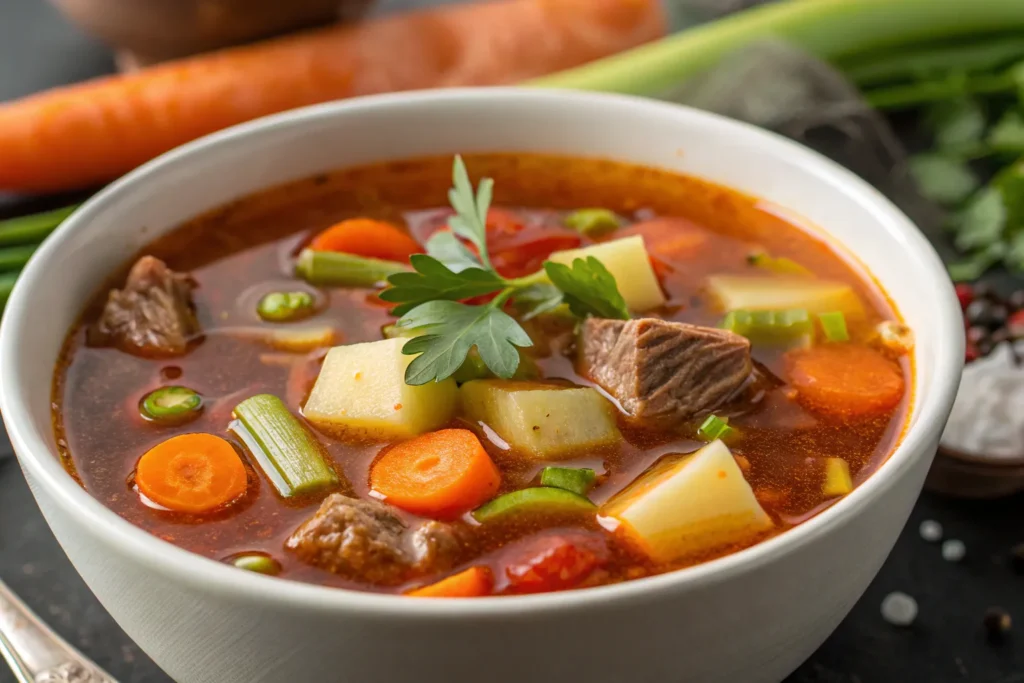
Bone broth is rich in collagen, amino acids, and minerals that help repair the gut lining.
Key Ingredients:
Bone broth, carrots, celery, zucchini, garlic, ginger
Why It Helps:
Soothes the digestive tract and supports gut lining repair.
2. Ginger Turmeric Rice Porridge
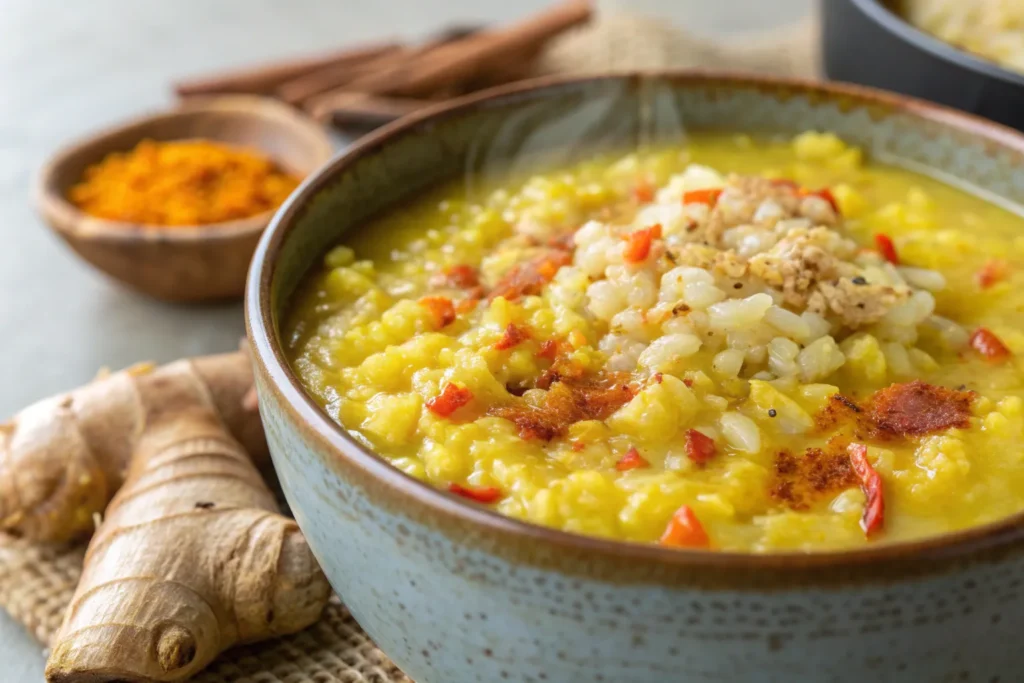
This simple, warm porridge is easy to digest and packed with anti-inflammatory spices.
Key Ingredients:
White rice, ginger, turmeric, coconut milk
Why It Helps:
Reduces inflammation and calms digestion.
3. Greek Yogurt Berry Bowl

Greek yogurt provides probiotics, while berries offer antioxidants and fiber.
Key Ingredients:
Plain Greek yogurt, blueberries, chia seeds, honey
Why It Helps:
Balances gut bacteria and supports regular digestion.
4. Steamed Salmon with Lemon & Herbs
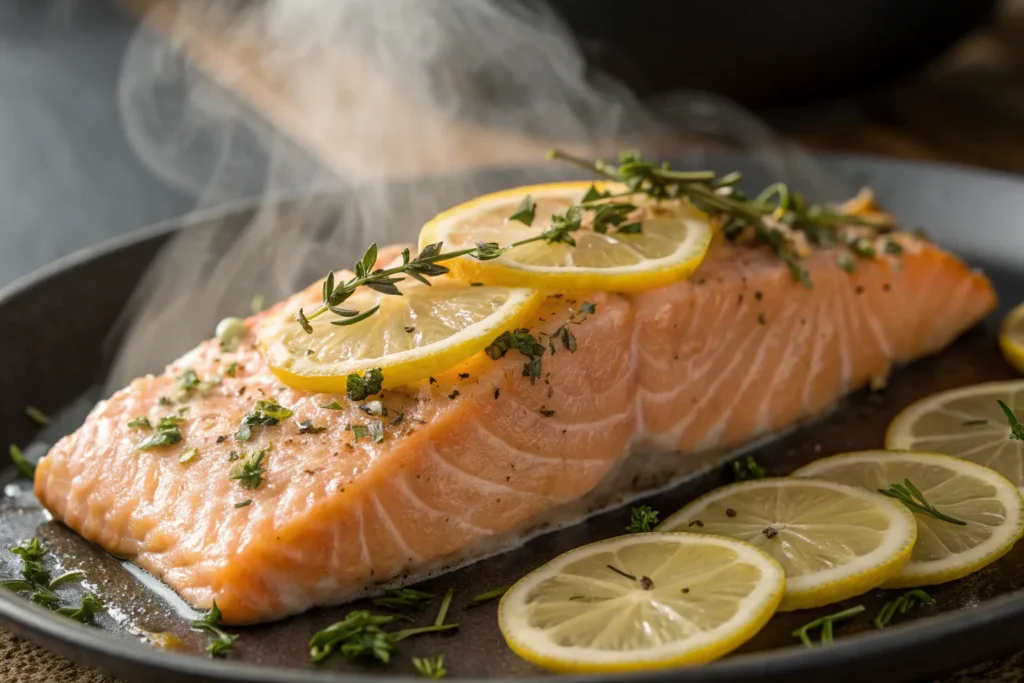
Salmon is rich in omega-3 fatty acids, which reduce gut inflammation.
Key Ingredients:
Salmon fillet, lemon, dill, olive oil
Why It Helps:
Supports gut lining health and reduces digestive irritation.
5. Oatmeal with Banana & Flaxseed

Oats and bananas are excellent sources of prebiotic fiber.
Key Ingredients:
Rolled oats, banana, flaxseed, almond milk
Why It Helps:
Feeds beneficial gut bacteria and improves bowel regularity.
6. Miso Soup with Tofu & Seaweed
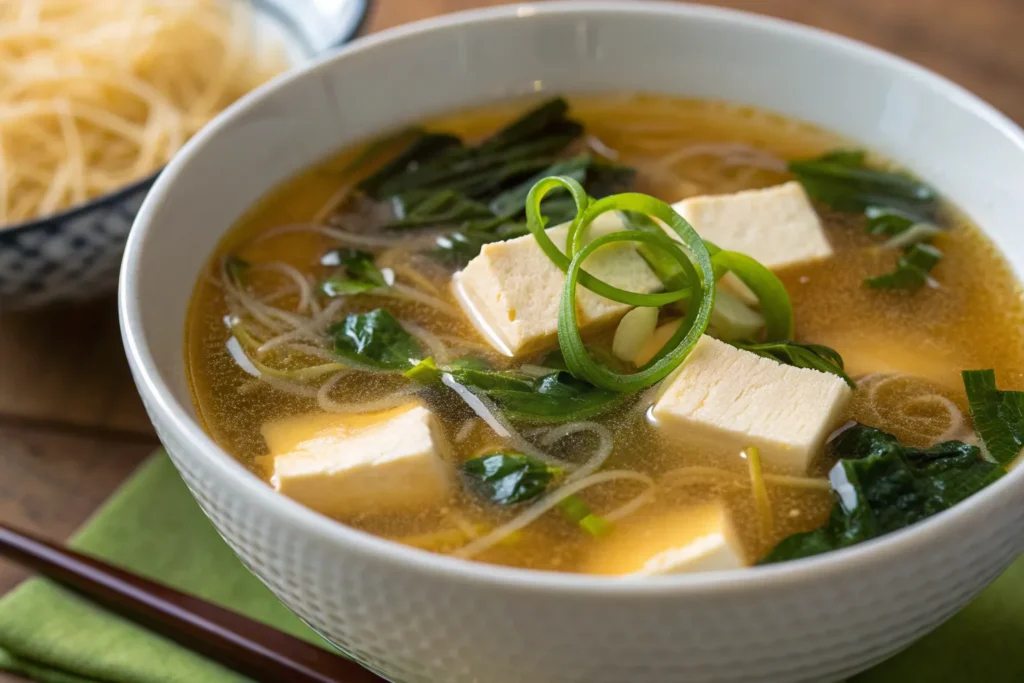
Miso is a fermented food rich in probiotics that support digestion.
Key Ingredients:
Miso paste, tofu, seaweed, green onions
Why It Helps:
Improves gut bacteria balance and digestion.
7. Lentil & Vegetable Stew
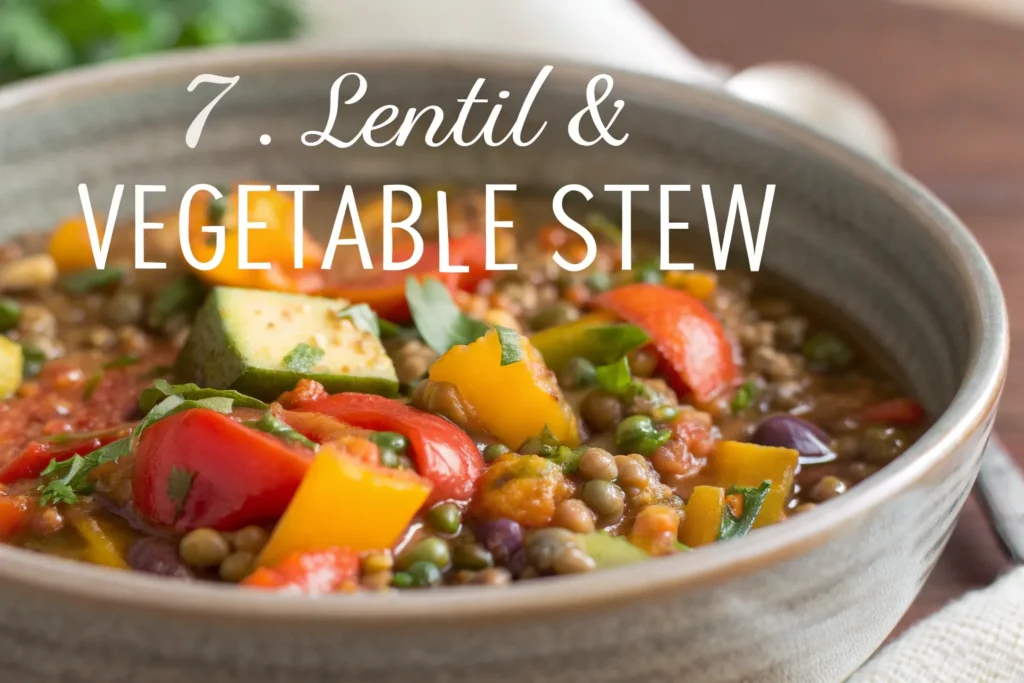
Lentils provide fiber and plant-based protein without being too heavy.
Key Ingredients:
Red lentils, carrots, spinach, cumin
Why It Helps:
Supports healthy digestion and gut motility.
8. Smoothie with Kefir, Mango & Ginger

Kefir delivers powerful probiotics in an easy-to-digest form.
Key Ingredients:
Kefir, mango, ginger, spinach
Why It Helps:
Improves digestion and reduces bloating.
9. Sauerkraut & Avocado Toast
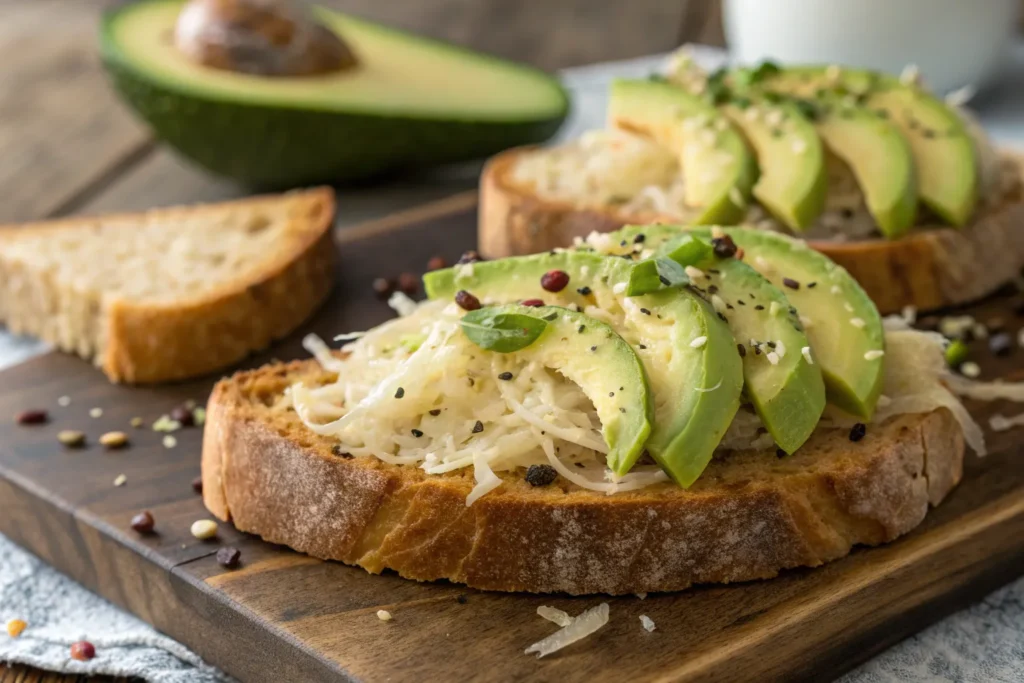
Fermented sauerkraut supports gut bacteria while avocado provides healthy fats.
Key Ingredients:
Whole-grain bread, sauerkraut, avocado
Why It Helps:
Supports microbiome diversity and nutrient absorption.
10. Baked Sweet Potatoes with Olive Oil
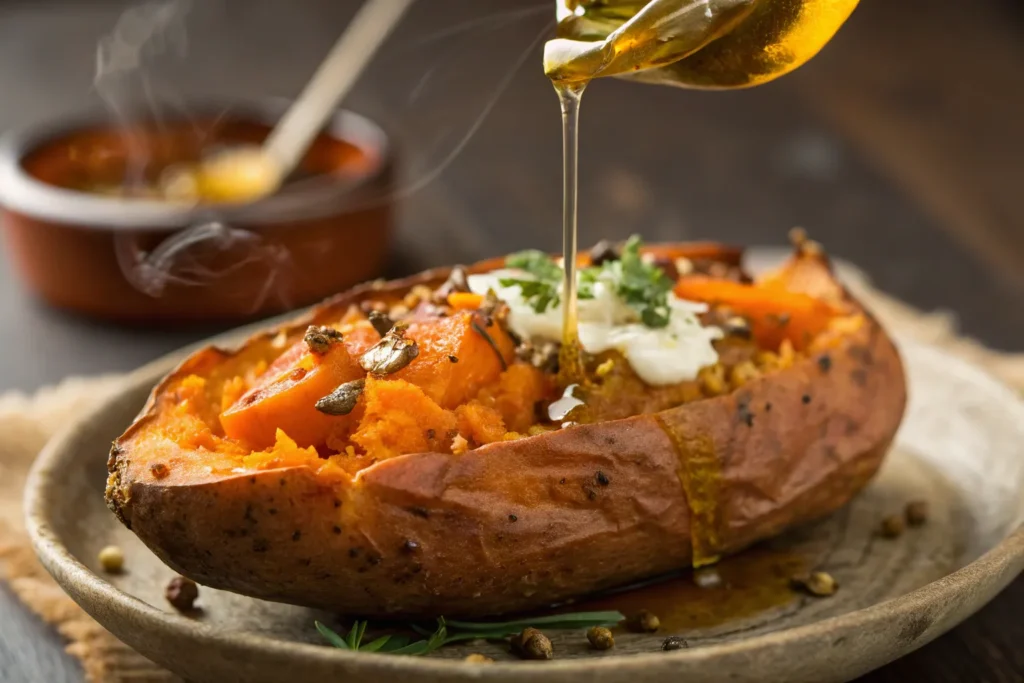
Sweet potatoes are gentle on digestion and high in fiber.
Key Ingredients:
Sweet potatoes, olive oil, sea salt
Why It Helps:
Supports regular digestion and gut comfort.
11. Chicken & Vegetable Congee

This slow-cooked rice dish is soothing and easy to digest.
Key Ingredients:
Rice, chicken, ginger, scallions
Why It Helps:
Calms the stomach and supports healing.
12. Chamomile & Peppermint Digestive Tea
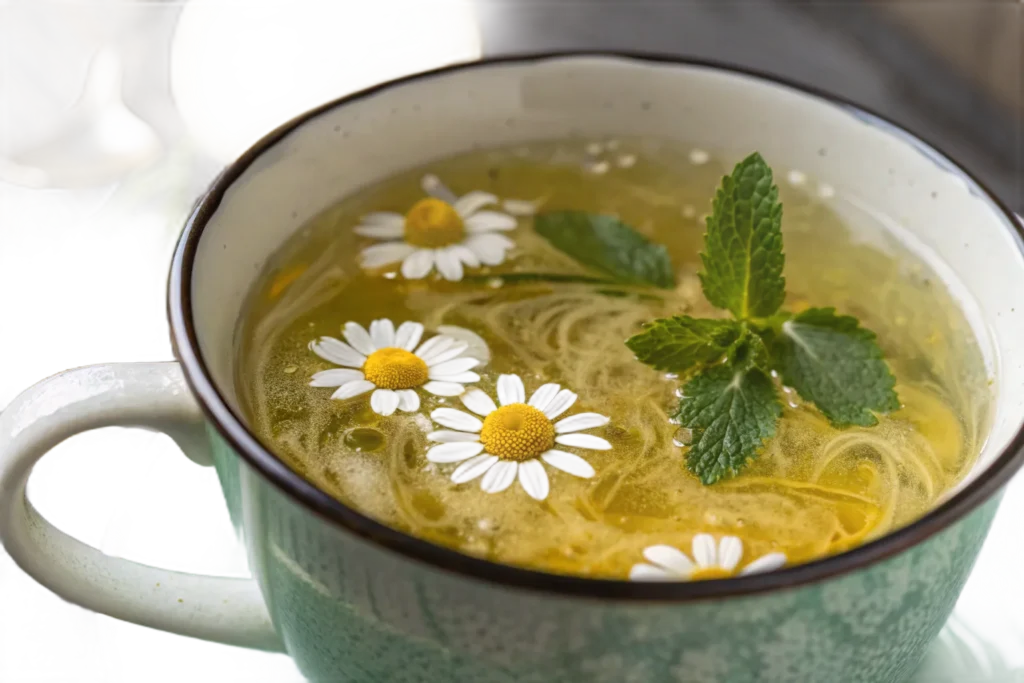
Herbal teas are simple yet powerful digestive aids.
Key Ingredients:
Chamomile, peppermint leaves
Why It Helps:
Relieves bloating and digestive discomfort.
Tips for Maximizing Gut Healing
- Eat slowly and mindfully
- Avoid excessive sugar and processed foods
- Stay hydrated
- Introduce fermented foods gradually
- Prioritize warm, cooked meals when digestion feels sensitive
How Often Should You Eat Gut-Healing Foods?
For best results, aim to include gut-supportive foods daily, especially during periods of digestive stress. Consistency is more important than perfection.
Who Benefits Most from Gut-Healing Recipes?
- People with bloating or indigestion
- Those recovering from illness or antibiotics
- Anyone with sensitive digestion
- Individuals seeking overall wellness improvement
Conclusion
Healing your gut starts with simple, nourishing food choices. These 12 gut-healing recipes that support digestion focus on gentle, anti-inflammatory, and probiotic-rich ingredients that work together to restore balance and comfort. By consistently choosing foods that support your digestive system, you can reduce discomfort, improve nutrient absorption, and feel better from the inside out. A healthier gut leads to a healthier, more energized you, one meal at a time.
Frequently Asked Questions(FAQs)
How long does it take to heal the gut?
Gut healing varies, but noticeable improvements can occur within weeks of consistent dietary changes.
Are fermented foods safe for everyone?
Most people tolerate them well, but those with severe gut conditions should introduce them slowly.
Can I follow a plant-based gut-healing diet?
Yes, many gut-healing foods are plant-based and fiber-rich.
Should I avoid gluten for gut health?
Not everyone needs to avoid gluten unless sensitivity is present.